This drug for arthritis might restore your hair growth
What's the story
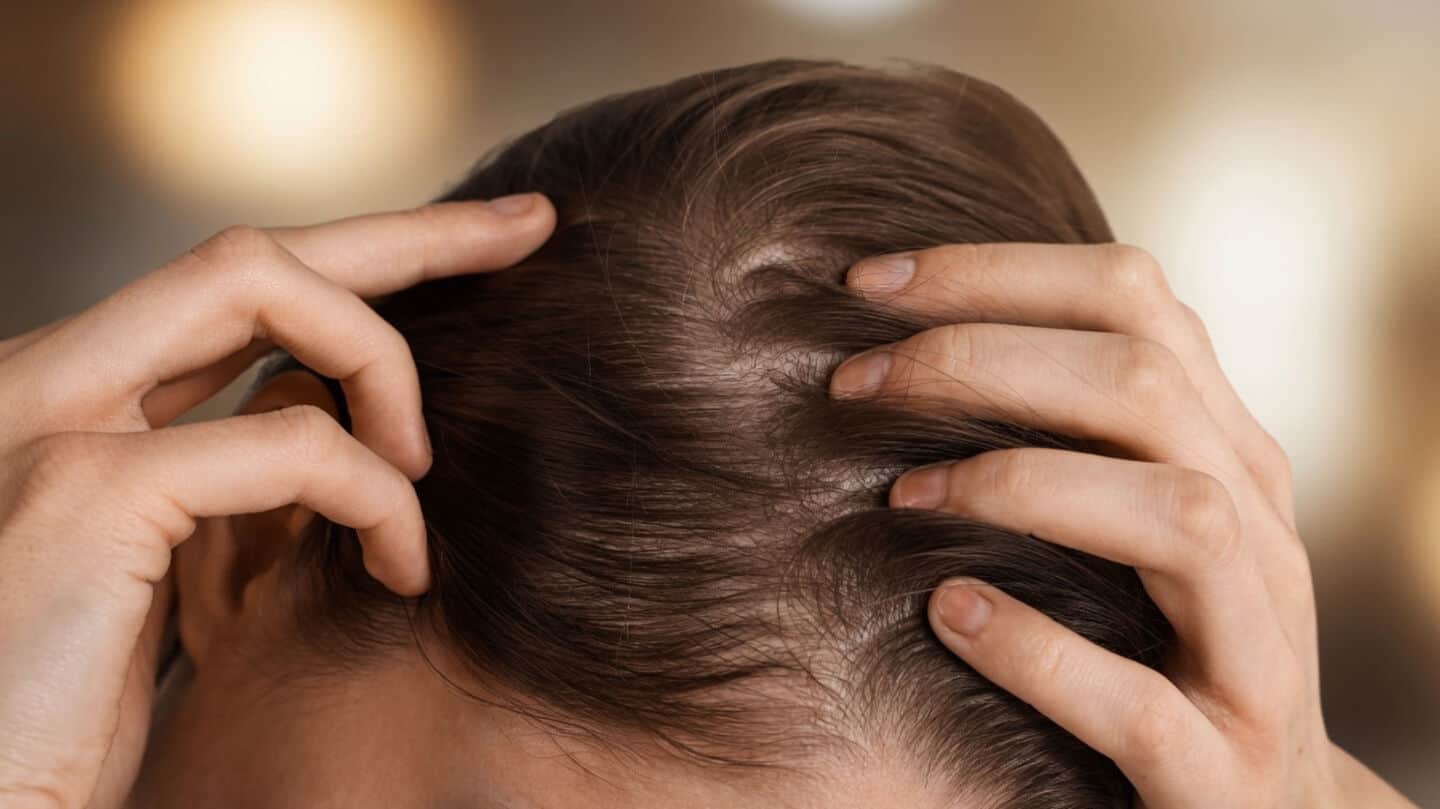
A novel treatment for alopecia areata, an autoimmune disease that causes unpredictable hair loss, has been discovered. The condition occurs when the immune system mistakenly attacks hair follicles, leading to patchy or complete baldness. Until now, no reliable treatment was available. However, a pill called upadacitinib, originally developed for arthritis treatment, has shown promise in restoring hair growth in severe cases of alopecia areata.
Drug profile
Trials conducted by Harvard University
Upadacitinib is a once-daily oral medication that was previously approved for treating inflammation in different types of arthritis.
However, scientists thought it could also be effective against alopecia areata by reducing the same immune response that damages hair follicles.
To test this theory, researchers at Harvard University conducted two large international clinical trials across hospitals in North America, Europe, and China.
Trial outcomes
Participants lost an average of 84% of their scalp hair
The clinical trials involved participants with severe alopecia areata, who had lost an average of 84% of their scalp hair. Some had not seen any regrowth for at least six months.
The participants were randomly assigned to take either a 15mg or 30mg dose of upadacitinib or a placebo pill every day.
The results, published in JAMA Dermatology, were impressive.
Results
Potential game-changer
Within 24 weeks, nearly half of the participants taking upadacitinib (both doses combined) witnessed at least 80% regrowth of their scalp hair.
The findings indicate that this arthritis drug could be a game-changer for those suffering from severe alopecia areata.
The study highlights the potential of repurposing existing medications to treat conditions they were not originally designed for, offering new hope to millions worldwide.