Why Indian private satellites on PSLV-C62 mission weren't insured
What's the story
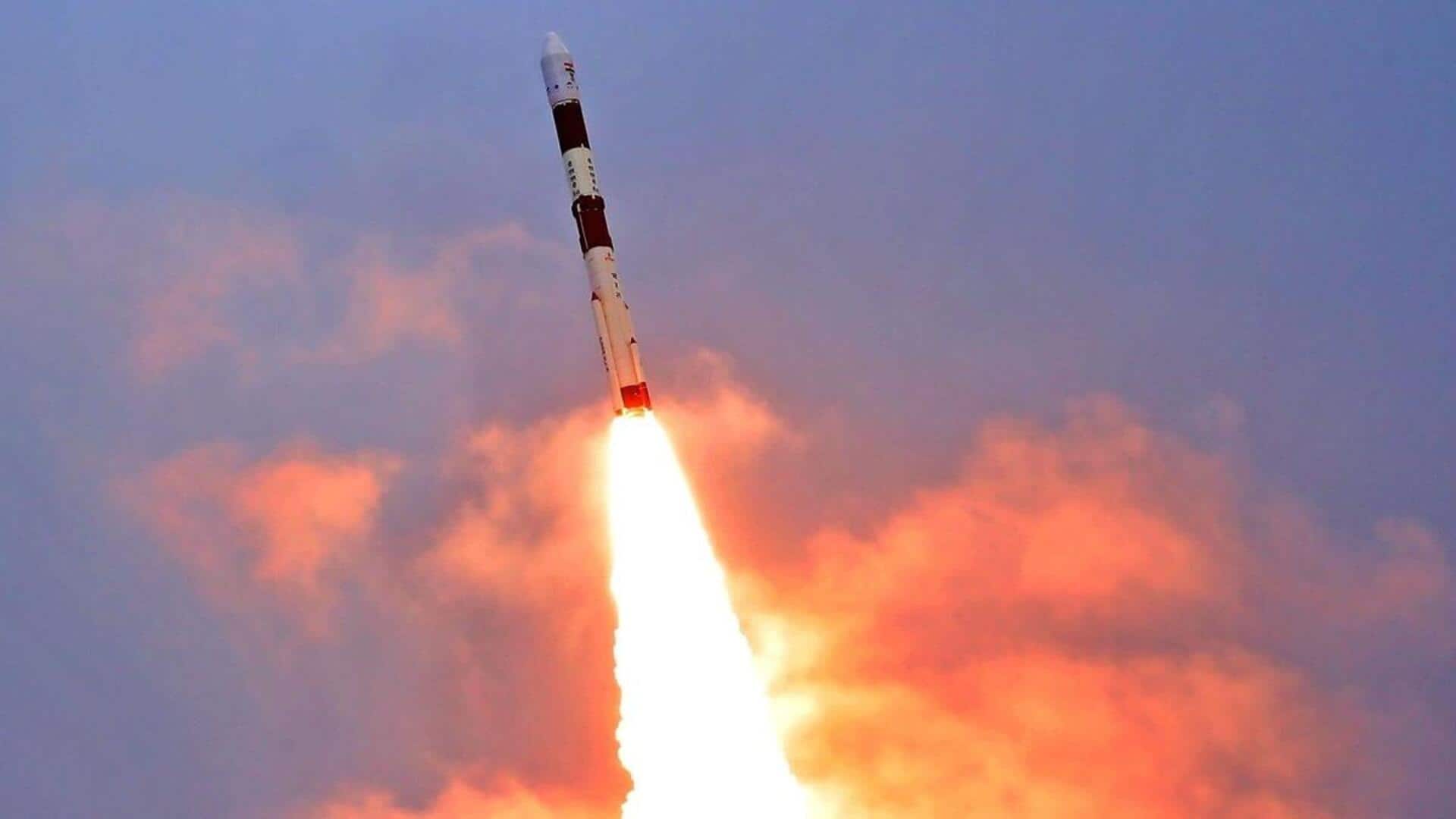
The recent failure of ISRO's PSLV-C62-EOS-N1 mission has highlighted a major gap in India's private space sector: satellite insurance. The launch, which took place at 10:18am on January 12 from the Satish Dhawan Space Centre (SDSC) in Sriharikota, ended in failure and resulted in the loss of several commercial payloads. Notably, none of the Indian private space companies' satellites onboard were insured.
Insurance gap
Lack of affordable insurance products for satellite launches
Industry insiders have revealed that Indian private insurers don't provide affordable or structured insurance products for satellites launched from within the country.
A senior ISRO official told NDTV that satellite insurance was never a priority when launches were limited to government missions.
The official said, "Earlier, satellites were launched only by government agencies for government purposes. Insurance was not seen as necessary."
Commercial perspective
NSIL's stance on satellite insurance
New Space India Ltd (NSIL), ISRO's commercial arm, has also maintained that insurance isn't part of their mandate.
A senior NSIL official said, "Any satellite company coming for a partnership and launch should get their own insurance."
The official added that while NSIL provides the launch platform and handles MoUs, it doesn't deal with asset protection.
Policy discussion
ISRO's insurance practices and new space policy debate
Interestingly, ISRO does insure its satellites for launches from foreign soil but doesn't follow the same practice for domestic launches.
The issue has gained urgency with the finalization of a new space policy.
A Ministry of Space official said discussions are ongoing on whether insurance should be made mandatory, adding that "the entire concept is new."
Financial impact
Concerns over insurance costs and industry growth
Private firms working with ISRO have described the lack of insurance as a chicken-and-egg problem.
The cost of insurance can be as high as 50% of the satellite's value, making it unviable for smaller players.
A space startup executive said, "We trusted ISRO. Insurance is expensive. But now there is worry."