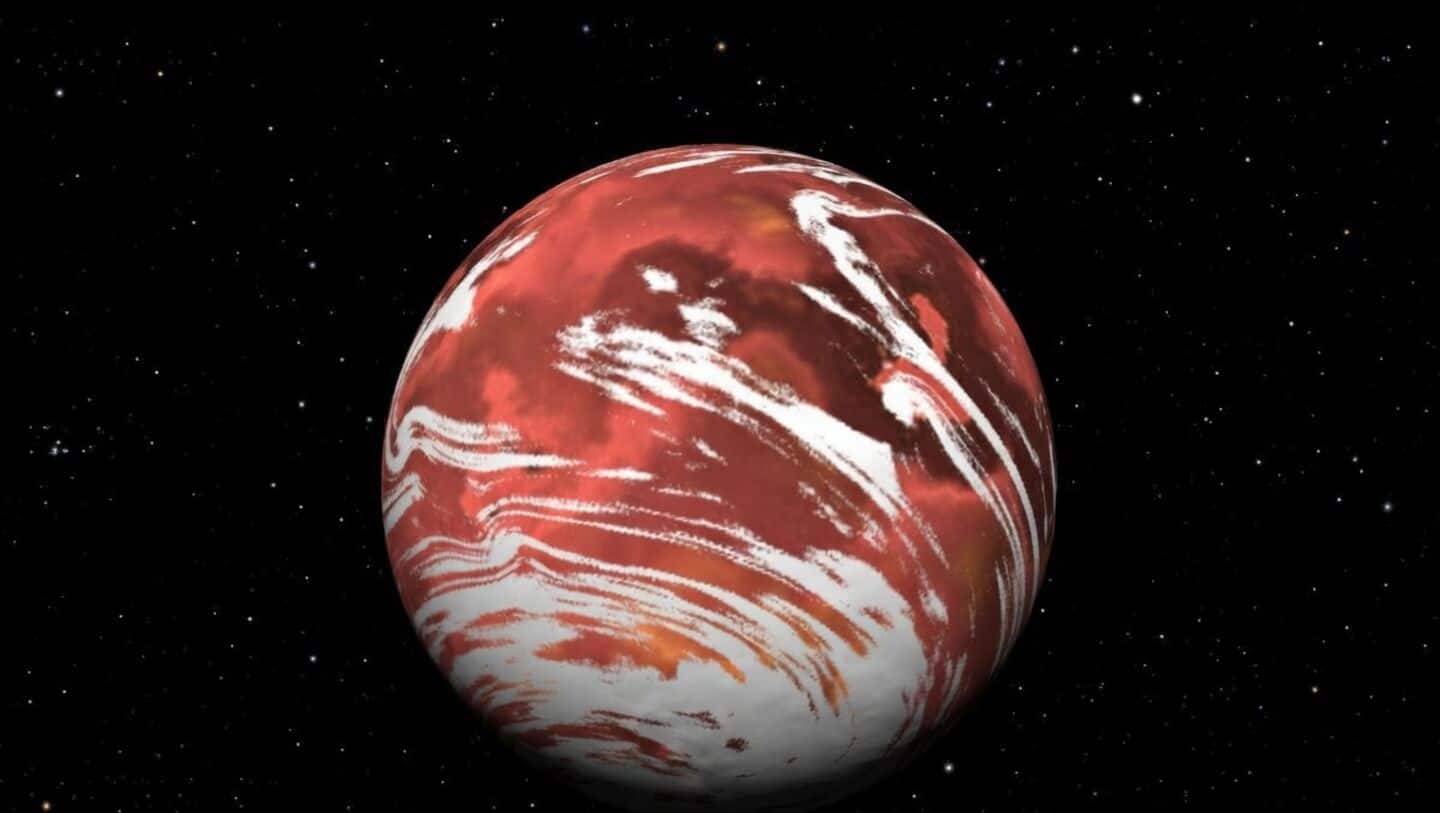
Scientists discover new type of planet: Find out how
Scientists at Oxford have found a whole new type of planet: think worlds with thick, gassy atmospheres and oceans made of molten rock.
Their star find, L 98-59 d, is about 1.6 times bigger than Earth and orbits a red dwarf just 35 light-years away.
How is it different from other planets?
This planet's atmosphere is packed with hydrogen sulfide and sulfur dioxide, gasses you'd usually find near volcanoes on Earth.
Beneath that, there's a deep layer of liquid rock (like lava), which holds onto these gasses for ages instead of letting them escape into space.
What does this mean for us?
That magma ocean actually shields the atmosphere from being blasted away by the star's X-rays, helping the planet keep its unique air.
Learning how L 98-59 d evolved gives us fresh clues about how rocky planets form and what might make them livable, even ones totally different from Earth.