Musk believes building lunar city is easier than Mars colonization
What's the story
SpaceX, the aerospace company founded by Elon Musk, is changing its priorities. Instead of focusing on sending humans to Mars, the company is now concentrating on establishing a settlement on the Moon. The shift comes as part of a broader strategy to speed up progress in space exploration and technology development.
Strategic change
Musk explains why lunar missions are more feasible
In a post on X, Musk said, "For those unaware, SpaceX has already shifted focus to building a self-growing city on the Moon." He added that this could be achieved within a decade, while reaching Mars would take over 20 years. The billionaire also pointed out that travel to Mars is only possible when planets align every 26 months, whereas lunar missions can be launched every 10 days.
Upcoming goals
Shift in mission timelines
SpaceX's current goal is an uncrewed lunar landing in March 2027. This mission will help engineers fine-tune systems before any manned missions. Meanwhile, Musk's earlier plan of an uncrewed Mars mission by late 2026 is likely to be delayed. The delay could give more time for the development and testing of Starship rocket, a key component for future deep-space missions.
Rocket development
Learning in a safer environment
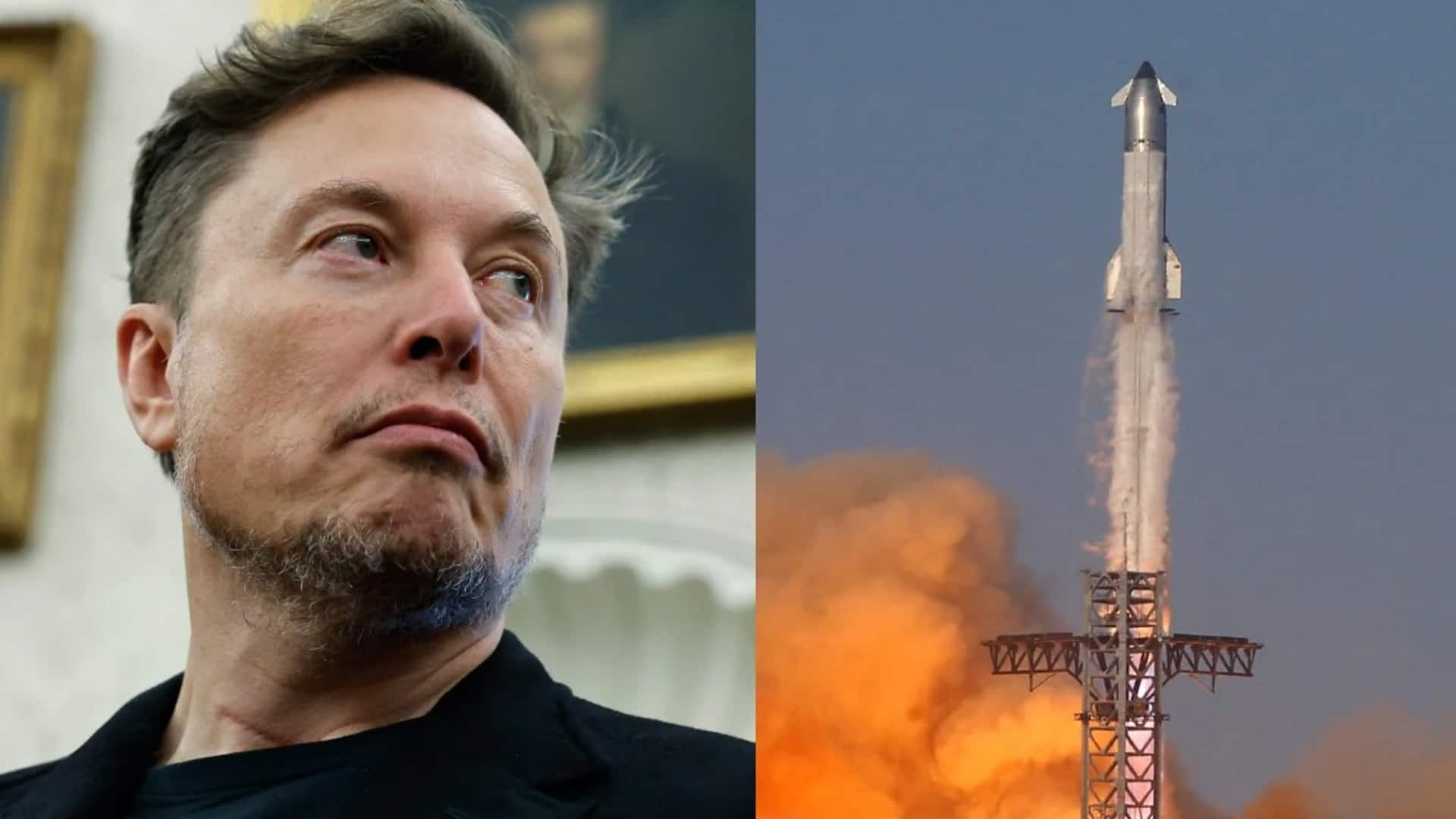
Starship, a large stainless-steel spacecraft designed for full reusability, will be used for Moon and Mars missions. The rocket has been in construction and testing for years. Experts say delays are expected but shifting focus to the Moon first makes sense. This way, SpaceX can learn in a safer environment before tackling the more complex challenges of Mars exploration.
Twitter Post
SpaceX plans Mars city within 5-7 years
For those unaware, SpaceX has already shifted focus to building a self-growing city on the Moon, as we can potentially achieve that in less than 10 years, whereas Mars would take 20+ years.
— Elon Musk (@elonmusk) February 8, 2026
The mission of SpaceX remains the same: extend consciousness and life as we know it to…
International race
Global lunar race and other developments
The US isn't the only country with lunar ambitions. China is also working to return humans to the Moon this decade. The global competition could have influenced SpaceX's decision to focus on the Moon first. The company is also expanding into other areas, including artificial intelligence (AI). It recently acquired xAI, expanding its involvement in AI.