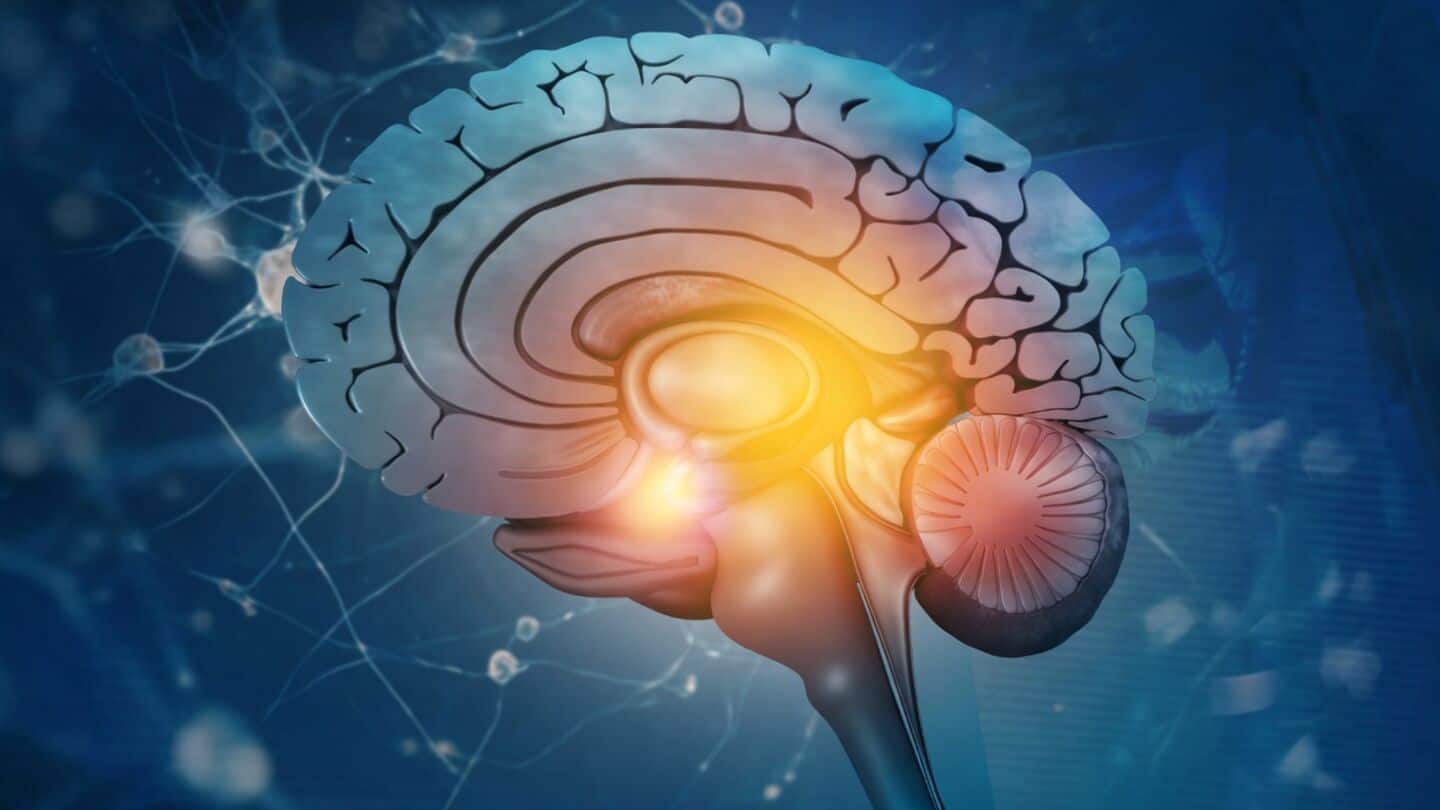
Stanford scientists grow human cortical organoids in mice showing activity
Technology
Stanford scientists have managed to grow tiny bits of human brain tissue inside mice, and the results are pretty wild.
These lab-grown human cortical organoids didn't just survive: they actually connected with the mouse nervous system and showed real electrical activity.
The research, published in Nature, could totally change how we study the human brain.
Cerebral palsy research potential, ethical caution
This breakthrough could help scientists understand (and maybe treat) brain disorders like cerebral palsy by letting them watch how human neurons develop in a living system.
But there are some big ethical questions too: researchers need to make sure adding human cells doesn't affect the mice in unexpected ways, so they're moving forward carefully with expert guidance.