Why subsea supercurrents are a threat to global tech networks
What's the story
Turbidity currents, the powerful underwater flows capable of reshaping ocean floors and damaging vital internet cables, are more common than previously thought. An international team led by Tsinghua University in China has made this discovery. The researchers found these flows can occur in gentle environments such as reservoirs and lakes, where they were once believed to be impossible.
Impact
Protecting underwater infrastructure
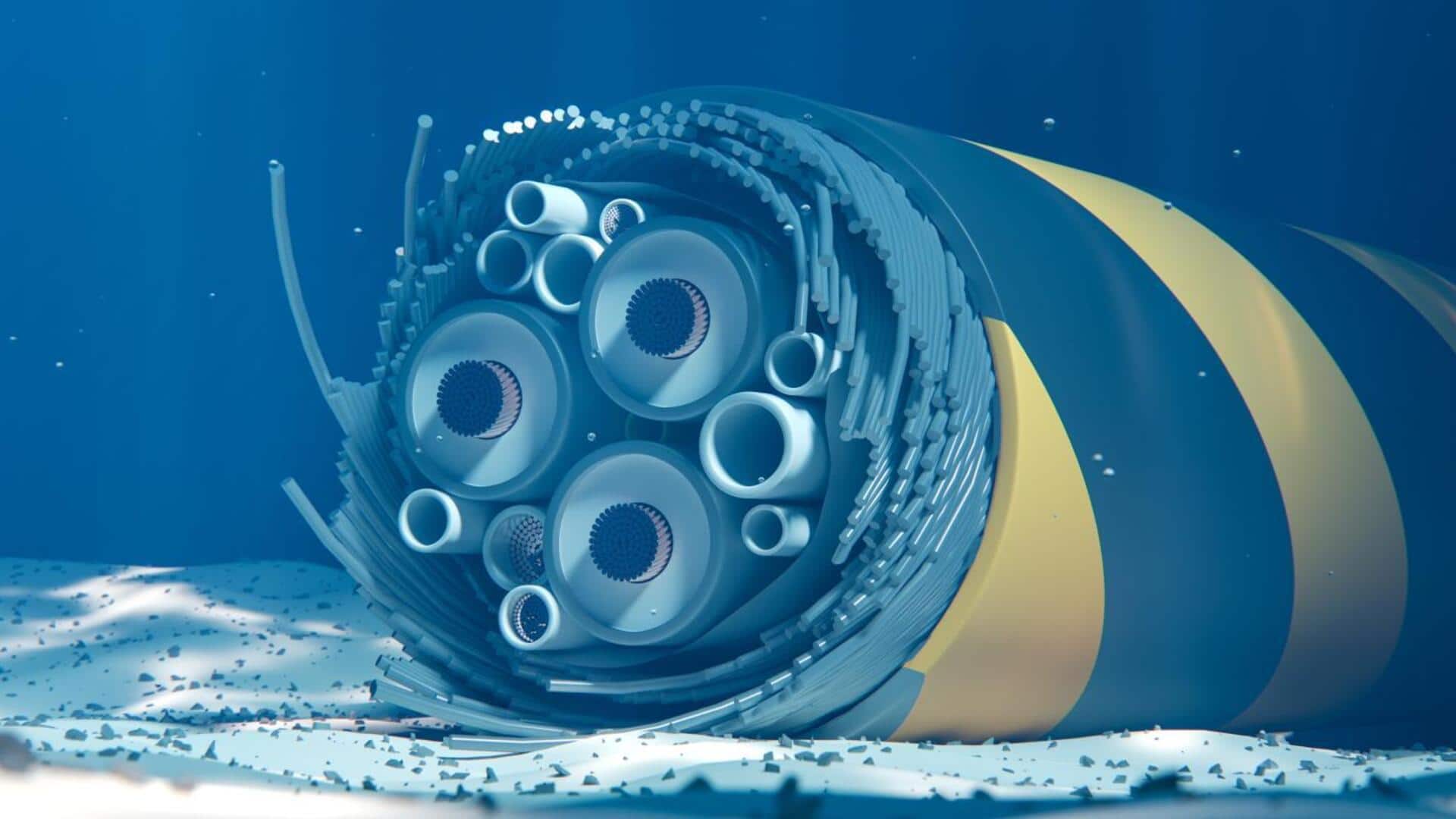
The study highlights the potential threat posed by turbidity currents to underwater infrastructure.
These powerful flows, which are also known as self-accelerating turbidity currents, can cut intercontinental telecommunication cables and reshape subaqueous landscapes.
The researchers hope their findings and the framework they built for understanding these flows will help better predict and manage them in future, thus protecting critical underwater infrastructure.
Collaboration
Collaborative research effort
The research team behind this groundbreaking study included scientists from several prestigious institutions.
Apart from Tsinghua University, the Yellow River Institute of Hydraulic Research, the University of Wyoming, the University of Illinois, Texas Tech University, Hokkaido University and Durham University also contributed to this work.
The findings of this international study were published in the Proceedings of the National Academy of Sciences.