UC Santa Cruz finds P3 peptide may reshape Alzheimer's research
Technology
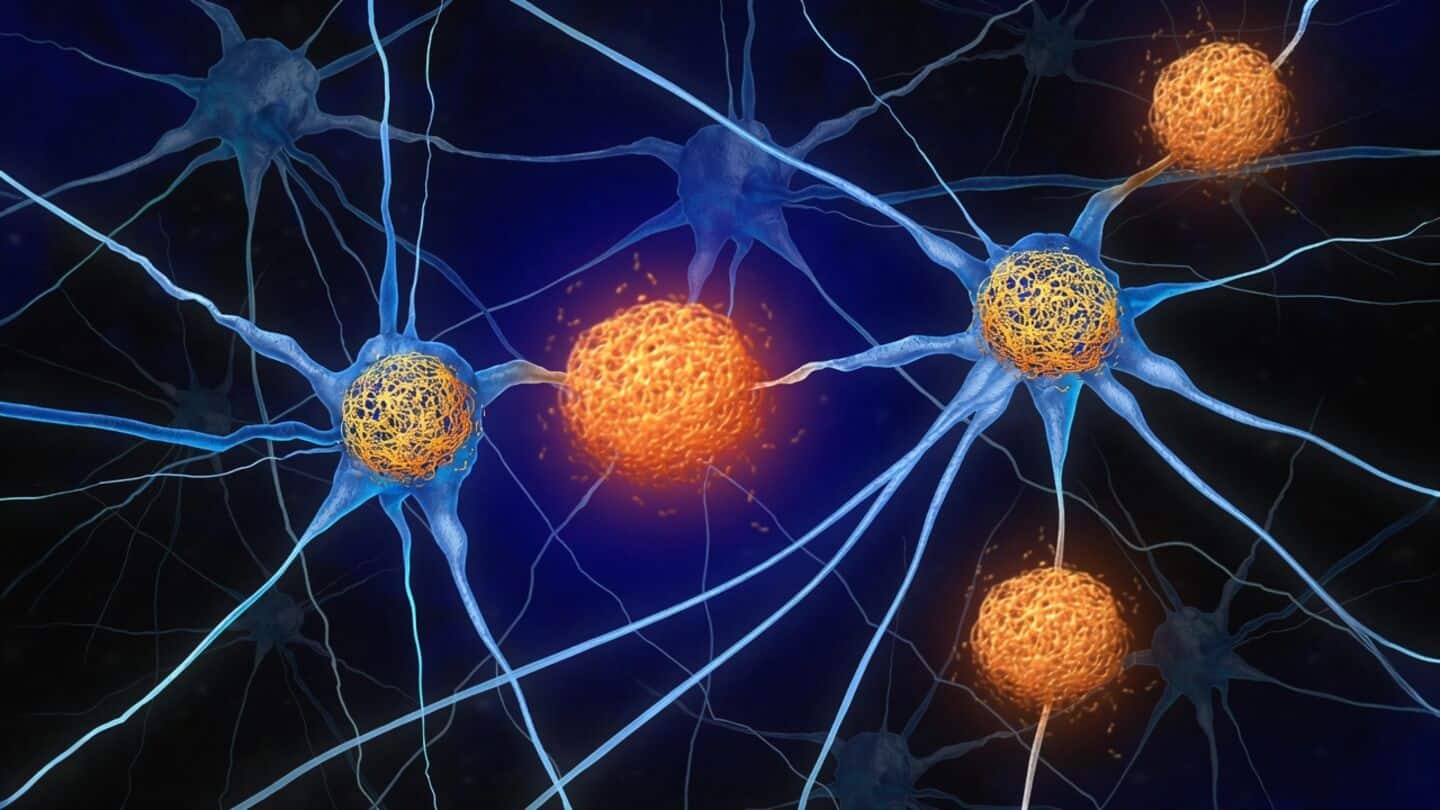
Researchers at UC Santa Cruz have found a largely overlooked peptide, P3, that could be a big deal for understanding and treating Alzheimer's disease.
Unlike what scientists thought before, P3 actually forms harmful-looking protein clumps even faster than amyloid beta, the usual suspect in Alzheimer's disease.
This could totally shift how researchers think about tackling the disease.
Study P3 alongside amyloid beta
Many past drug-development efforts have focused on amyloid beta, but those haven't worked too well.
Now, with evidence that P3 may be harmful to neurons and forms its own amyloid deposits, scientists say it's time to look at the bigger picture.
Studying both peptides together might open up better ways to slow down or treat Alzheimer's disease in the future.