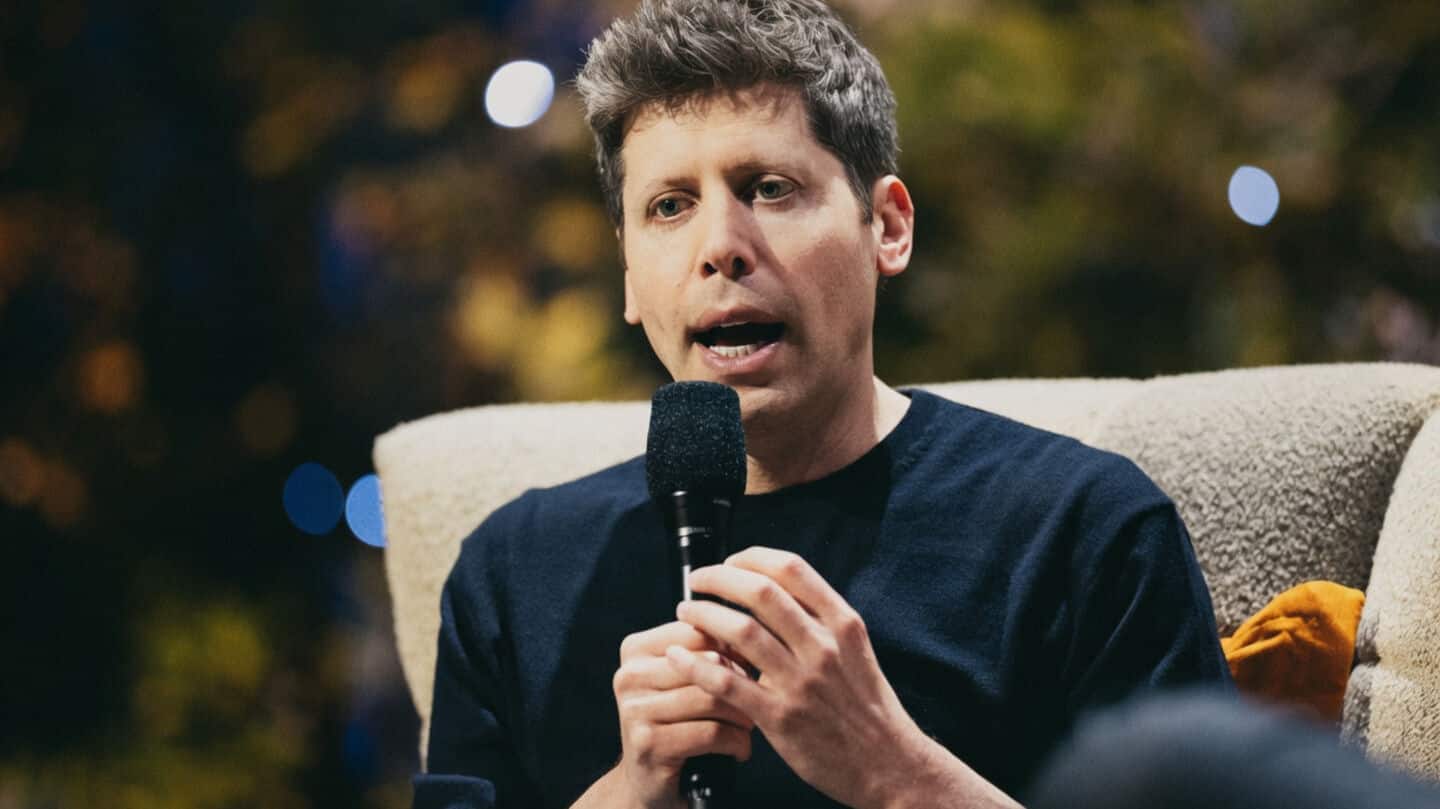
OpenAI CEO to address UN Security Council on AI safety
What's the story
OpenAI CEO Sam Altman will address the United Nations Security Council next week. The briefing is part of the annual UN General Assembly, which brings together world leaders. France, which currently holds the rotating presidency of the 15-member Security Council, is hosting this meeting amid growing concerns over artificial intelligence (AI) safety.
Global response
UN chief calls for global coordination on AI risks
UN Secretary-General Antonio Guterres has called for a coordinated international response to the risks posed by AI.
"National action is essential. But global coordination is also indispensable," he told reporters.
The call comes as fears about the dangers of this rapidly evolving technology continue to grow, with employees at major AI companies resigning over safety concerns.
Industry stance
AI leaders, Musk back slowing down tech's development
AI industry leaders, including Anthropic's CEO Dario Amodei and tech mogul Elon Musk, have endorsed the idea of slowing down AI development due to safety concerns.
Amodei published an essay urging caution in improving AI model capabilities.
Google DeepMind's Demis Hassabis has also called for a US-led global regulatory body for this technology.
Briefing details
Altman's address to focus on OpenAI's safety efforts
Altman's address at the UN Security Council is expected to focus on OpenAI's efforts to ensure AI safety and its global benefits.
He will also emphasize the need for international coordination and shared safety standards.
This comes as fears of uncontrolled AI have prompted calls from industry leaders for a coordinated slowdown in its development.
Past meetings
First UN Security Council meeting on AI risks in 2023
The UN Security Council, responsible for maintaining international peace and security, had its first meeting on the risks of AI in 2023.
China had warned that the technology should not become a "runaway horse," while the US cautioned against its use to censor or repress people.
Such discussions highlight the global recognition of AI's potential threats and the need for international cooperation in addressing them.