Florida can now enforce social media ban for under-14s
What's the story
A US appeals court has ruled in favor of Florida's law prohibiting children under 14 from using social media platforms like Instagram, TikTok, and Snapchat. The decision came from a three-judge panel of the Atlanta-based 11th US Circuit Court of Appeals. They overturned an earlier injunction that had temporarily blocked this law, House Bill 3, also known as H.B. 3.
Legal interpretation
Law doesn't violate First Amendment rights: Judge
The court clarified that the law doesn't regulate content on social media platforms, thus not violating the First Amendment.
Circuit Judge Kevin Newsom explained this by saying, "HB3 applies to platforms wholly without regard to the topics discussed or the ideas or messages conveyed on them."
This statement emphasized that all social media platforms are equally subject to this law.
Regulation details
Wider effort to regulate social media use among children
The law specifically targets social media platforms with addictive features such as video autoplay and infinite scroll.
It prohibits these platforms from allowing children under 14 to create accounts.
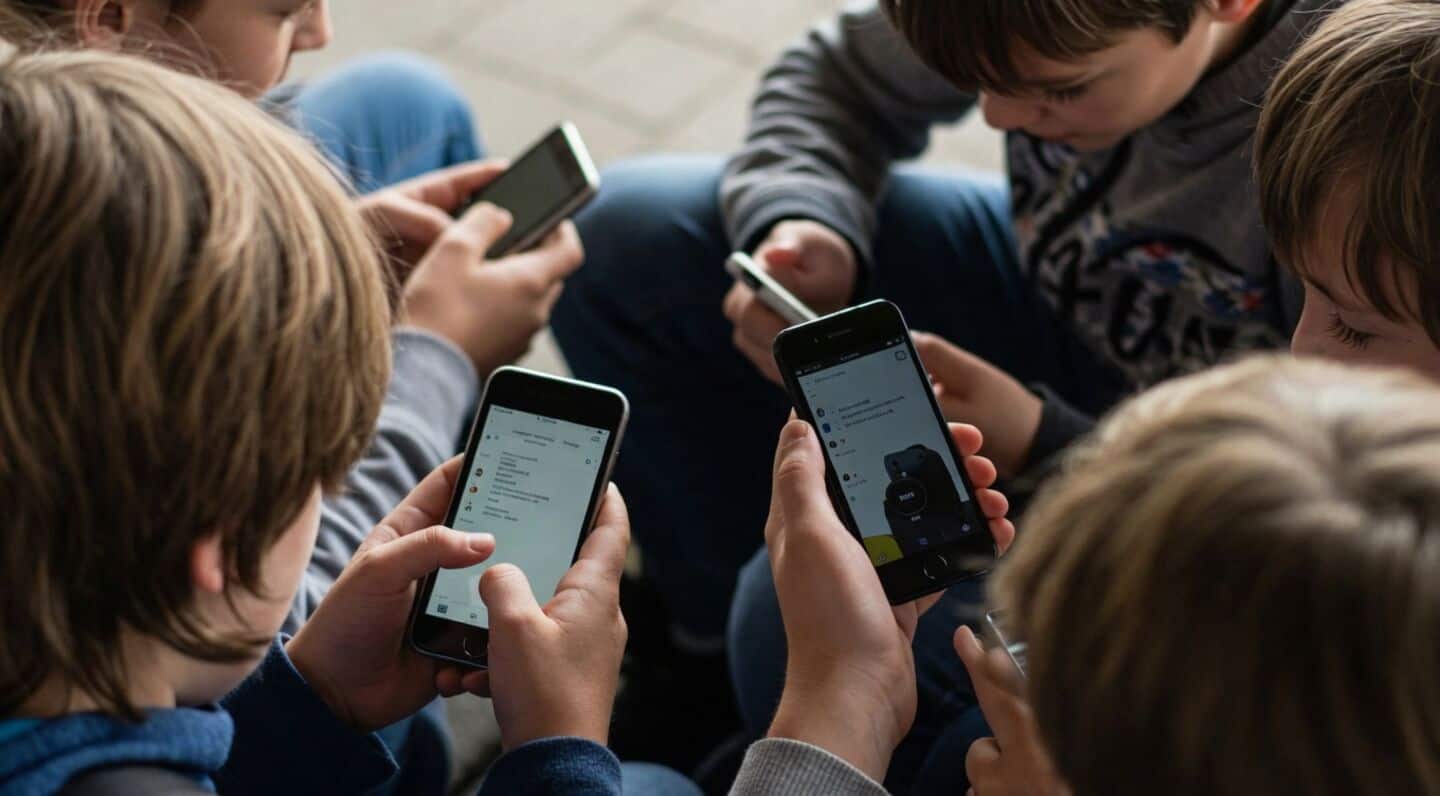
This move is part of a wider effort by Florida and other states to regulate social media use among children amid concerns over the impact of these apps on young people's mental health.
Legal battle
Tech groups sued to block law in 2024
In 2024, tech industry groups NetChoice and the Computer & Communications Industry Association, which represent Meta Platforms, TikTok, and Snap, sued to block this law.
They argued that it violated the free speech rights of social media providers and users.
However, after H.B. 3 went into effect, Florida Attorney General James Uthmeier sued Snapchat owner Snap Inc. in April 2025 for allegedly using addictive features targeting children under 14.
Judicial proceedings
Preliminary injunction blocked enforcement of law
A few months later, the judge presiding over the industry groups' lawsuit granted their request for a preliminary injunction blocking the law's enforcement.
The judge ruled that H.B. 3 was likely unconstitutional.
However, Uthmeier appealed this ruling to the 11th Circuit, which stayed the injunction while it weighed on the case.
Case progression
Ruling on Florida's case against Snap
Separately, a lower court overseeing Florida's case against Snap had rejected the state's request in August 2025 to order Snap to comply with H.B. 3.
The court also found the law likely violated constitutional rights.
However, in a second ruling on Wednesday, the 11th Circuit overturned that decision and said the case should proceed in state court rather than federal court.