Claude used in US strike on Iran despite Trump's ban
What's the story
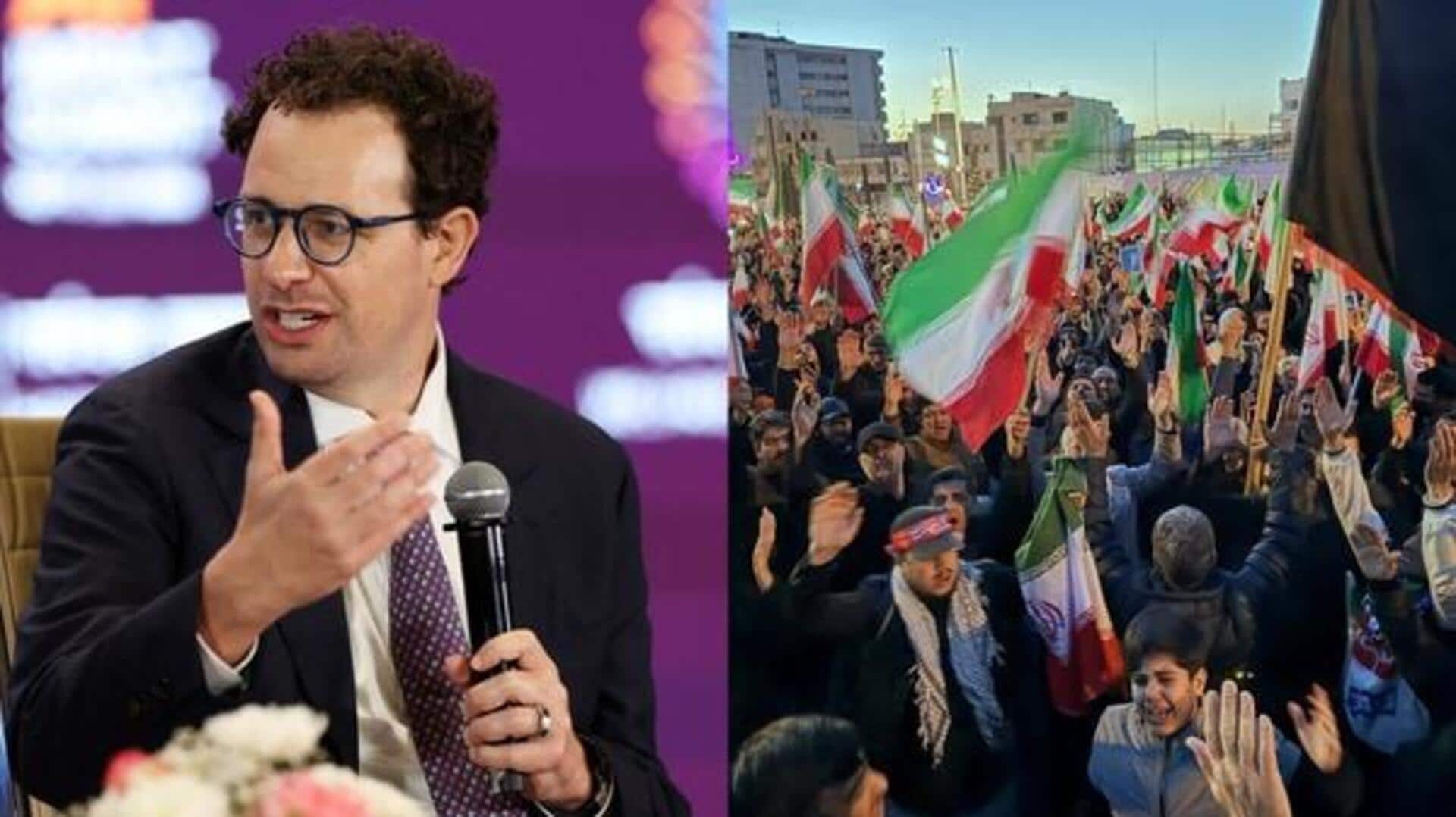
The United States government employed artificial intelligence (AI) tools from San Francisco-based start-up, Anthropic, during its recent strikes on Iran. The move came just hours after President Donald Trump ordered federal agencies to stop using the company's AI system. According to The Wall Street Journal, the US Central Command in the Middle East utilized Anthropic's tools for intelligence assessments and target identification during these operations.
Previous use
Military's use of Claude AI in high-profile operations
The US military had also used Claude AI, a product of Anthropic, in the operation to capture Venezuelan President Nicolas Maduro.
This highlights the high-profile nature of missions where Anthropic's technology has been employed.
The use of Claude in such operations demonstrates its integration into military systems, which is why the US government said it would take six months to phase out this technology from its systems.
Ban details
Trump slams Anthropic, orders federal agencies to stop using AI
In a post on Truth Social, Trump had criticized Anthropic's decision and called the company "leftwing nut jobs" and "woke."
He claimed their actions were putting American lives at risk and jeopardizing national security.
The president directed all federal agencies in the US to "immediately cease" using technology from Anthropic.
However, he did give the Pentagon a six-month period to phase out this technology already embedded in military platforms.
Legal battle
Anthropic to challenge US government's designation as 'supply chain risk'
Anthropic has challenged the US government's designation of it as a "supply chain risk," saying it will fight this in court.
The company said that designating it as such would be an unprecedented action, one historically reserved for US adversaries, and never before publicly applied to an American company.
Anthropic also clarified that its technology was provided to the US Department of Defense (DoD) with two exceptions: mass domestic surveillance of Americans and fully autonomous weapons.