US, Iran to begin talks in Switzerland amid nuclear tensions
What's the story
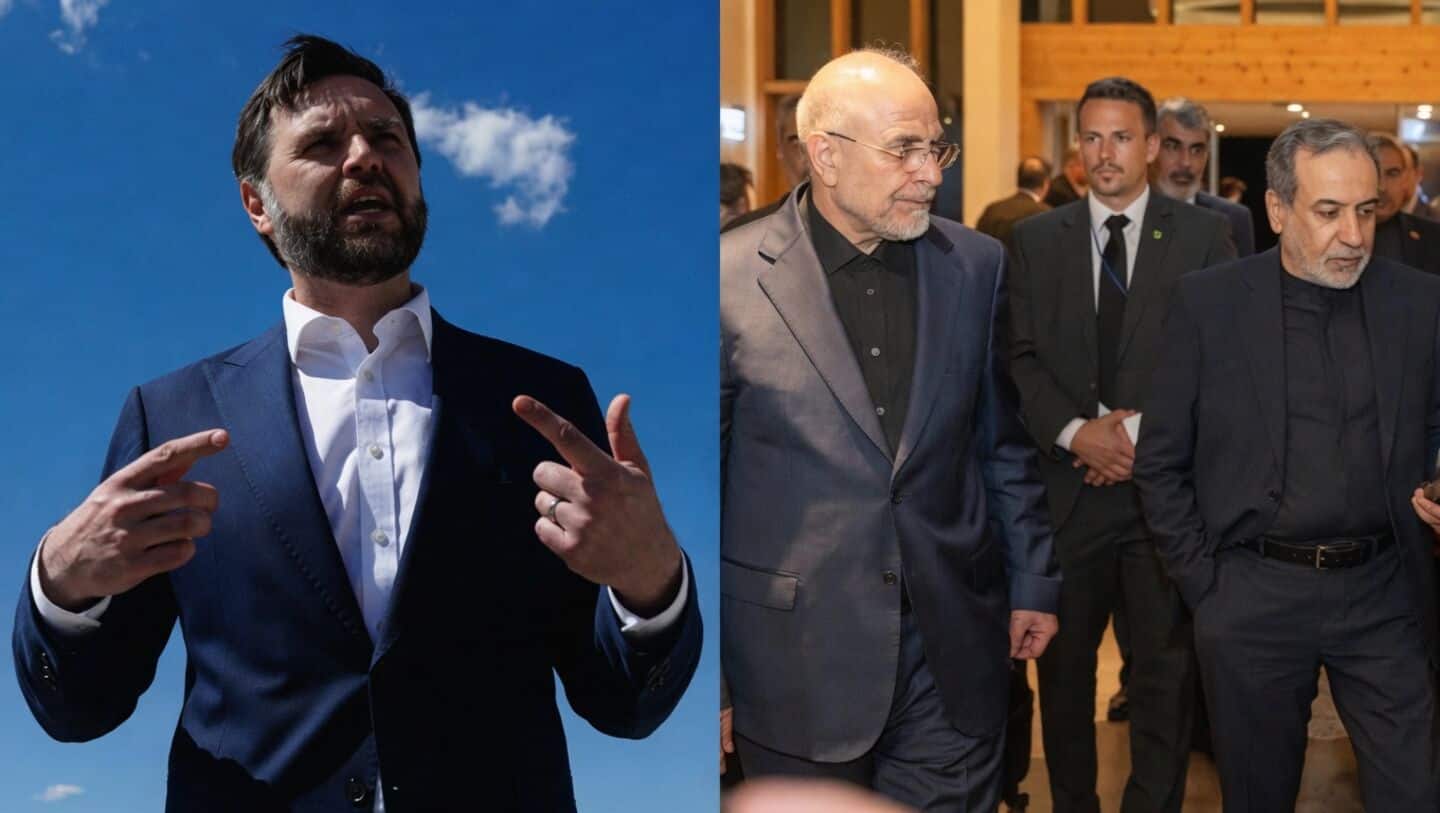
United States Vice President JD Vance is headed to Switzerland for the first round of peace talks with Iran. The negotiations are likely to be held on Sunday at the Burgenstock ski resort. The US hopes these talks will end with Iran inviting United Nations inspectors to its nuclear sites, which were previously bombed by Israel and the US.
Negotiation terms
US to release Iran's frozen funds in return for inspections
In return for the UN inspections, the US is willing to release some of Iran's frozen funds. This includes a $6 billion account in Qatar, which would be used for purchasing humanitarian goods.
The interim peace deal signed by US President Donald Trump and Iranian President Masoud Pezeshkian allows a 60-day period for negotiations.
Diplomatic participation
Pakistan PM, army chief also participating in peace talks
Pakistan's Prime Minister Shehbaz Sharif and Army Chief Field Marshal Asim Munir are also participating in the peace talks.
The Pakistani Foreign Affairs Ministry has reiterated its support for the agreements between Iran and the United States.
Vance expressed hope that progress could be made on issues like Iran's nuclear program and the Israel-Lebanon ceasefire during these talks.
Potential disruption
Netanyahu could disrupt peace talks due to domestic pressure
However, a US intelligence report warns that Israeli Prime Minister Benjamin Netanyahu could disrupt the peace talks due to domestic pressure over Lebanon.
An Israeli official said their military activity is solely for defending citizens from Hezbollah attacks.
The Strait of Hormuz remains a point of contention despite an interim peace deal between Iran and the US.
Tensions persist
Iran joint military command threaten to shut Strait of Hormuz
The US lifted its naval blockade on Iranian ports after the interim deal was signed.
However, Iran's joint military command threatened to shut the Strait of Hormuz again due to continued Israeli strikes on Lebanon and what they called Washington's "bad faith."
US President Trump announced no tolls would be charged during the 60-day negotiation window but warned levies could be imposed if talks fail.