US-Iran tensions escalate over single clause in MoU
What's the story
A dispute over a single clause in a memorandum of understanding (MoU) between the United States and Iran has escalated tensions between the two countries. The MoU, signed on June 17 by US President Donald Trump and Iranian President Masoud Pezeshkian, aimed to end months of hostilities and pave the way for negotiations on broader issues such as sanctions relief and Iran's nuclear program. However, disagreements over Article 5 are threatening to push both countries back toward direct military confrontation.
Clause significance
Article 5 of the MoU
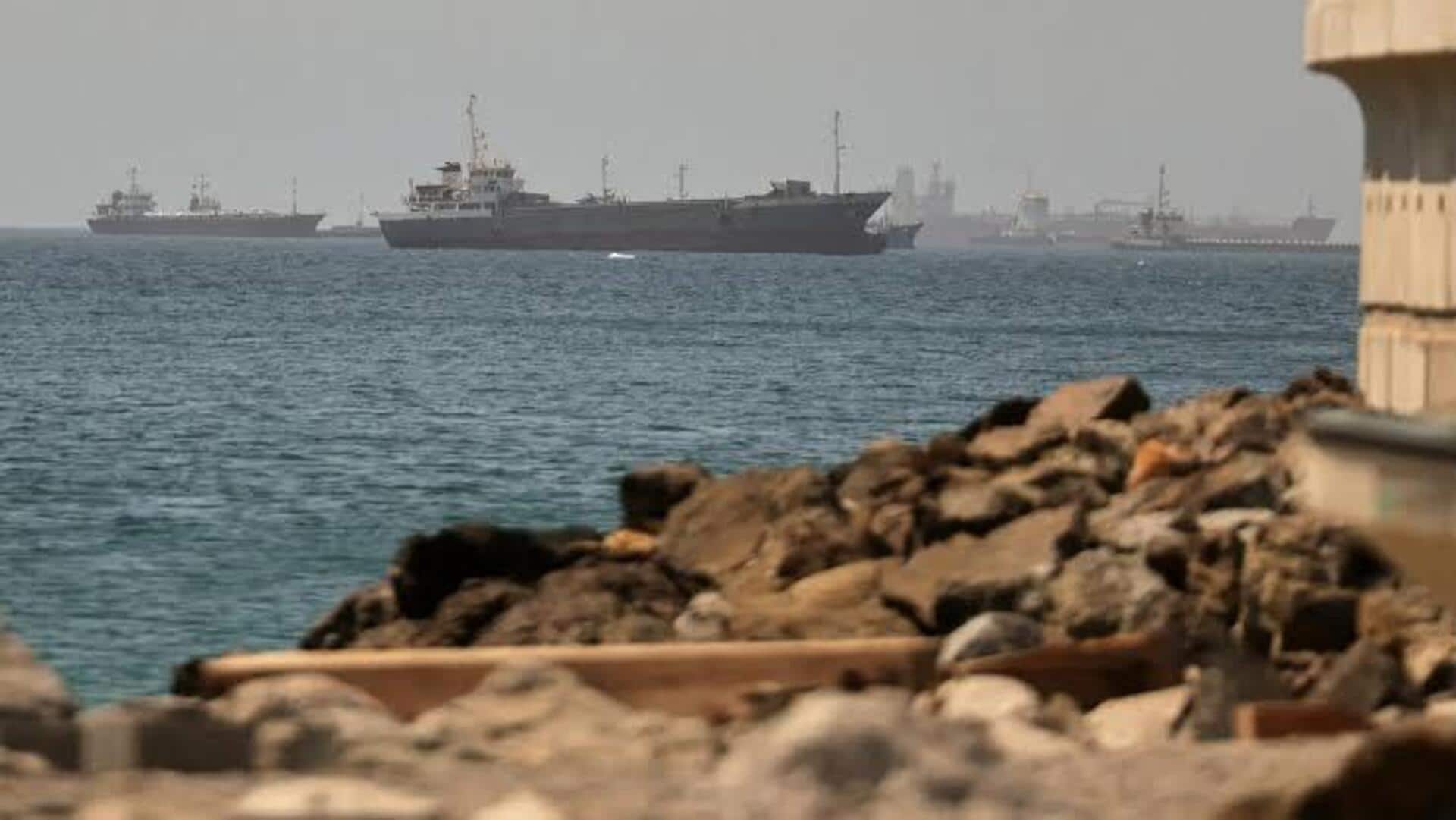
Article 5 of the MoU outlines the terms for reopening the Strait of Hormuz, a vital shipping lane that was blocked due to conflict.
The strait is crucial for global energy flows, carrying about one-fifth to one-quarter of crude oil and liquefied natural gas exports.
Under this article, Iran is required to ensure safe passage for commercial vessels between the Persian Gulf and the Sea of Oman without transit charges for 60 days.
Interpretation clash
Disagreements on vessel movements
While both the US and Iran support reopening the Strait of Hormuz, they disagree on how vessels should move through it.
The US wants commercial shipping to use alternate routes near Oman's territorial waters for safety.
It argues that navigation should resemble pre-war international practices without unilateral operational control by either party.
However, Iran insists on its authority over operations in the strait during clearance processes and prefers vessels to use a northern corridor within its territorial waters.
Escalating tensions
Military exchanges disrupt shipping and shake global energy markets
The disagreement over Article 5 has led to military exchanges, disrupting shipping through the Strait of Hormuz and shaking global energy markets.
Iranian forces have warned commercial shipping to use the northern corridor and forced tankers on the southern route to turn back.
An Iranian drone strike on a merchant vessel near Oman prompted American retaliation, further escalating tensions between the two nations.
Diplomatic efforts
Temporary stand-down allows for continued transit under fragile status quo
To prevent further escalation, both Washington and Tehran agreed to a temporary stand-down on June 29.
This pause in hostilities has allowed commercial vessels to continue transiting through the strait under a fragile status quo.
Although maritime traffic hasn't returned to normal levels, this ceasefire gives negotiators time to address disagreements over Article 5.
Future negotiations will focus on practical implementation during the interim agreement period and may involve third-party supervision by Oman or the International Maritime Organisation (IMO).
Comprehensive agreement
Broader issues at stake in US-Iran negotiations
The MoU also includes provisions for phased Iranian access to approximately $20 billion in hard currency and negotiations on Iran's nuclear program.
Other issues under discussion include the possible easing of American non-nuclear sanctions and the removal of US blockades affecting Iranian ports.
The ongoing violence in Lebanon poses another challenge to implementing the broader diplomatic understanding reached earlier this month.