US response to Hormuz plan 'insufficient': Iran
What's the story
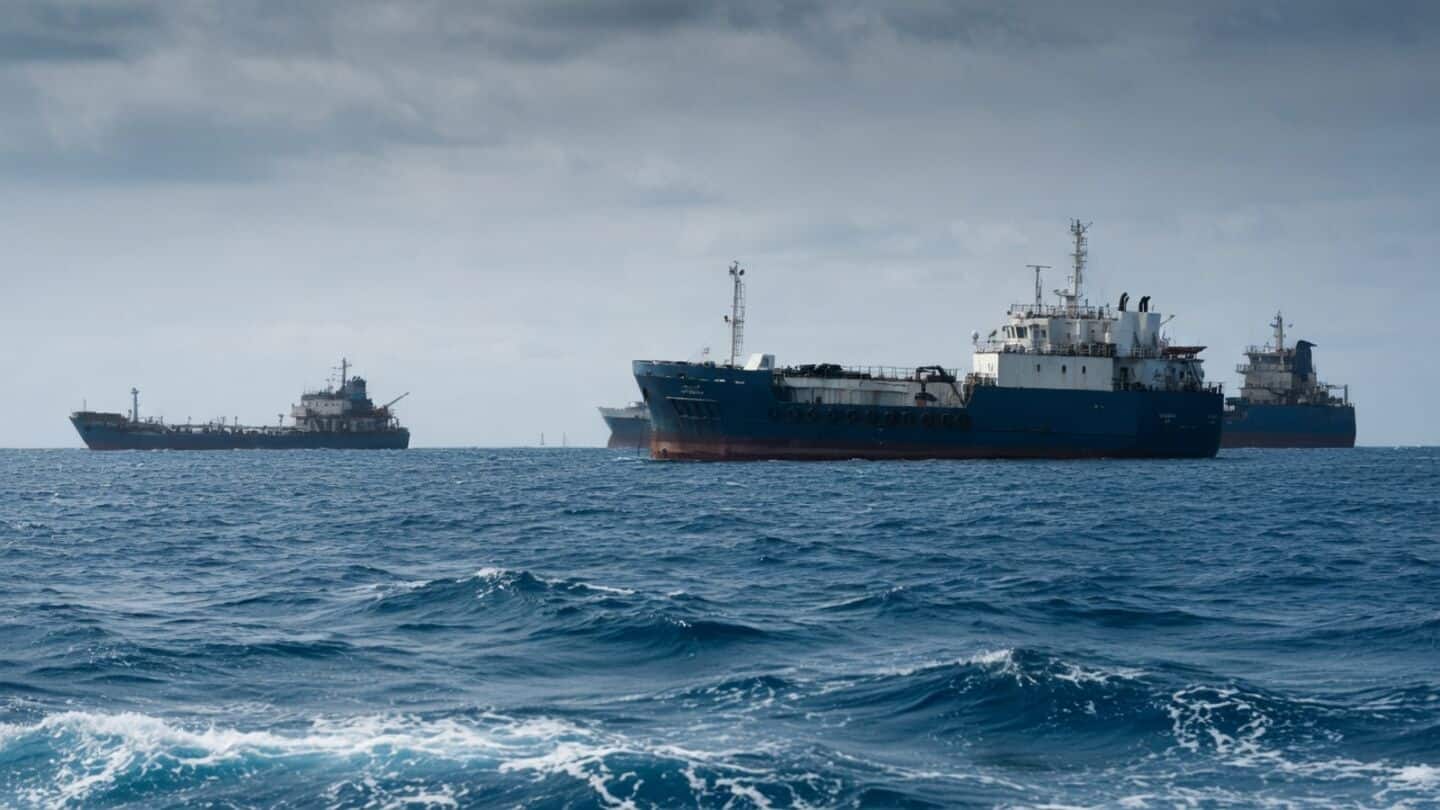
Iran has rejected the United States's response to its seven conditions for reopening the Strait of Hormuz. The rejection was announced by Mohsen Rezaei, Iran's security chief and secretary of the Supreme National Security Council. He called Washington's response "insufficient," saying some issues remain unclear. "We presented seven conditions to the Americans and clearly stated that the Strait of Hormuz would not be opened to them, and no negotiations would take place, until these conditions are met," Rezaei said.
Diplomatic efforts
US response was mediated by Qatar
The US response was mediated by Qatar, which has been acting as an intermediary in peace talks.
The proposal seeks to restore trust and return to a more robust interim memorandum of understanding reached in June.
This agreement had led to a brief ceasefire and addressed both the Strait of Hormuz and Iran's nuclear program.
An official familiar with the talks told Reuters that the main disagreement is over the sequence of proposed steps, not their content.
Nuclear discussions
Iran rejects idea of negotiating nuclear program
Iran has rejected the idea of negotiating its nuclear program in this process.
Iranian Foreign Ministry spokesperson Esmaeil Baghaei said US proposals mostly reflected Washington's previous positions on the nuclear issue.
He stressed that Iran's immediate focus was on restoring security in the Strait of Hormuz.
The nuclear issue remains a major obstacle in relations between both countries, with Washington seeking limits on Iran's program and Tehran resisting demands it considers unacceptable.
Escalating tensions
Iran threatens military confrontation, conflict expands
Iran's Foreign Minister Abbas Araghchi warned Tehran is ready for military confrontation if diplomacy fails.
He said Iran hopes for negotiations but will defend itself if military action resumes.
Iranian military spokesperson Mohammad Akraminia also announced plans to extend missile ranges.
The conflict is also expanding beyond Iran and the US, with President Donald Trump saying Washington was considering joining Saudi Arabia's strikes against Yemen's Houthi movement after attacks on Saudi airports.