El Niño could worsen global hunger, affect 50M more people
What's the story
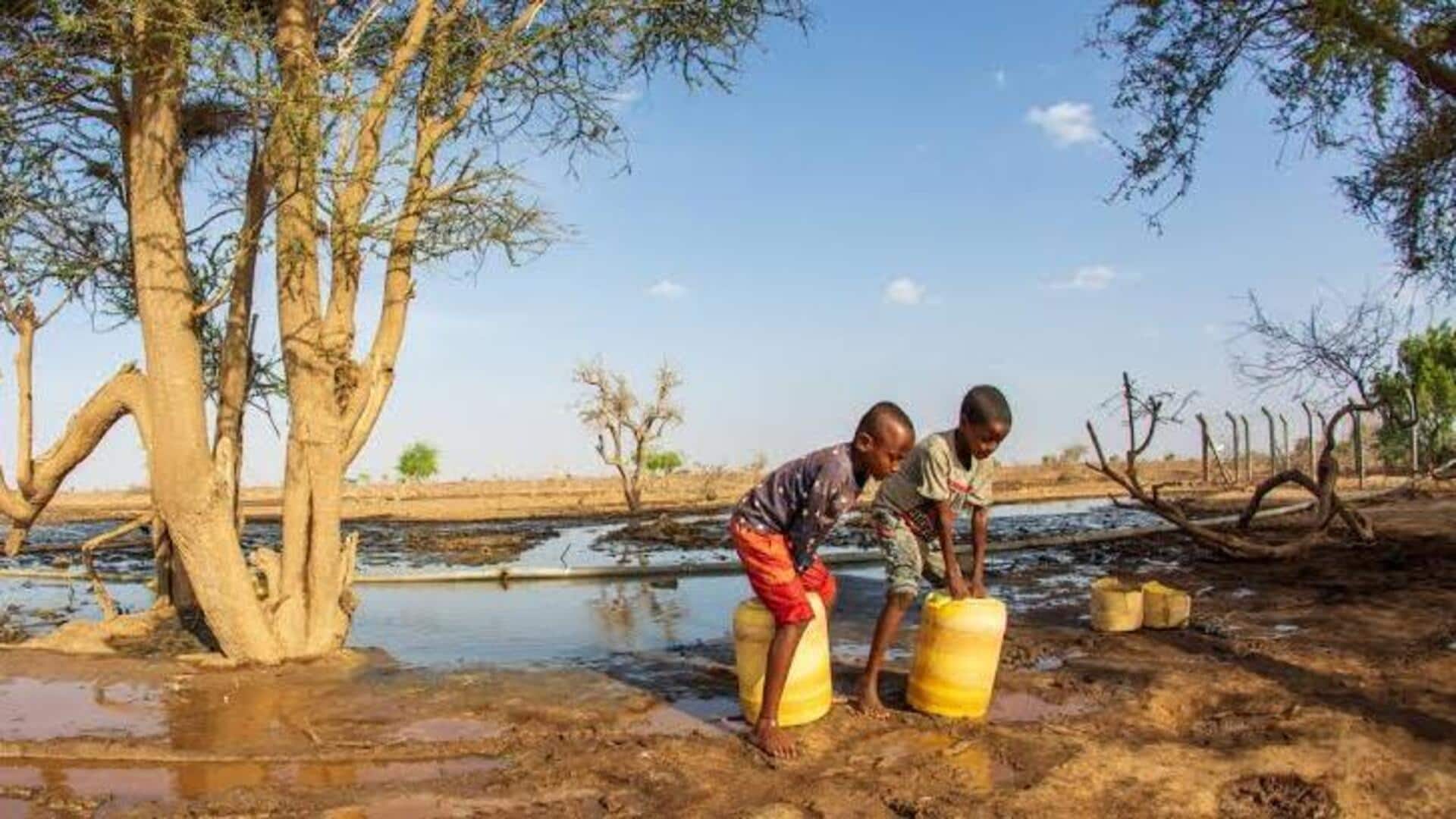
The United Nations World Food Programme (WFP) has warned that the ongoing El Niño weather phenomenon could push an additional 50 million people into acute hunger by the end of next year. The prediction comes on top of hundreds of millions already facing severe food insecurity due to prolonged droughts in parts of Africa and rising food prices due to conflict in Iran.
Food crisis
Anticipated impacts of El Nino on food security
The WFP estimates that the El Nino could increase the number of people facing acute food insecurity by over 20% from the current 225 million in 45 countries.
Central and South America, the Caribbean, and southern Africa are expected to be the worst affected regions.
In South and Southeast Asia, less rainfall than usual is predicted, which could severely impact agriculture.
Weather phenomenon
Strongest El Nino in at least 70 years
This year's El Niño is shaping up to be the strongest in nearly 70 years, with some calling it a "super El Niño."
Its intensity and impact are being exacerbated by the climate crisis.
Earlier this year, experts warned that a strong El Nino could combine with global heating to make 2027 the hottest year on record.
Relief efforts
WFP's anticipatory actions and challenges
The WFP is planning to use early warning systems and "anticipatory" relief efforts, with at least $80 million allocated for this purpose.
However, the full impact of El Nino will be felt later, especially during the 2027-2028 lean season in southern Africa.
Richard Choularton, the WFP's director of the climate and resilience service, noted that "the biggest food security impact, in southern Africa, will be during the 2027 to 2028 lean season."
Past effects
Lessons from the past and current challenges
During the 2015-16 El Nino, acute food insecurity affected between 60 million and 100 million people.
At that time, WFP had not yet implemented its updated anticipatory actions.
This year, Choularton stated that efforts have been impeded by a lack of data, with some collection efforts halted due to a lack of financing.
El Niño is projected to peak between September and December, but its effects will be seen throughout 2027, WFP said.