European nations draft Hormuz plan without 'belligerent' US, Israel: Report
What's the story
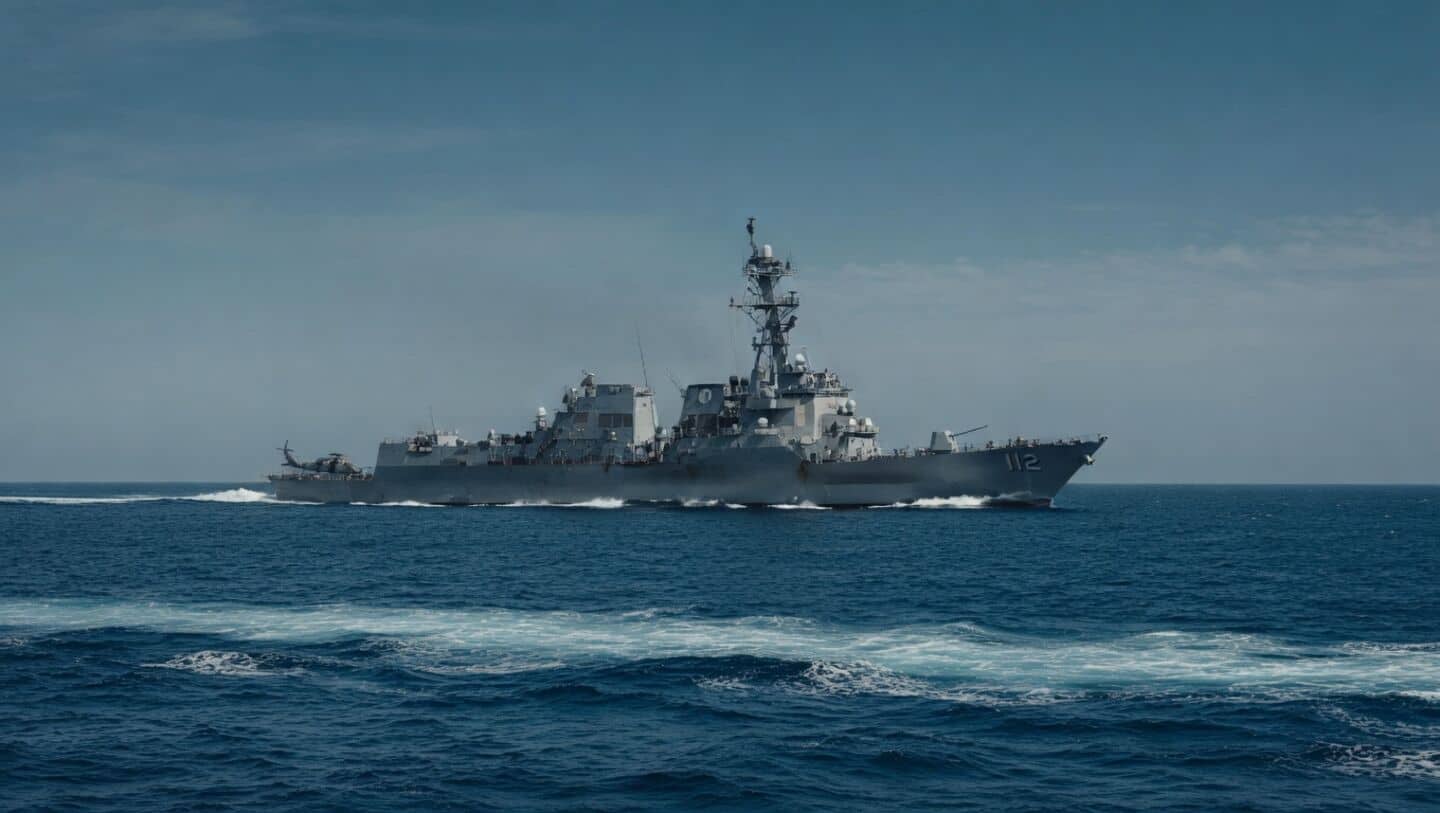
European nations are reportedly working on a plan to secure shipping through the Strait of Hormuz after the ongoing war. The proposal includes deploying mine-clearing and other naval vessels but may exclude the United States. According to WSJ, French President Emmanuel Macron said that the proposed international defensive mission will exclude "belligerent" parties such as the US, Israel, and Iran.
German participation
Germany likely to join the initiative
Germany is also likely to be a part of this European initiative, despite its previous reluctance for overseas military involvement.
A senior German official told WSJ that Berlin could announce its commitment soon.
The inclusion of Germany would add weight to the mission, as it has more fiscal resources than the United Kingdom and France and key military assets required for this specific task.
Upcoming meeting
Macron and Starmer to host online meeting
This Friday, Macron and UK Prime Minister Keir Starmer will host an online meeting of several countries to discuss the post-war plan for Hormuz.
The two leaders will lead talks on forming a "multilateral and purely defensive mission" that would help "restore freedom of navigation in the Strait of Hormuz when the security conditions allow it," the Elysée Palace said in a statement.
The statement added that "non-belligerent" countries ready to contribute to the mission would participate.
Plan objectives
European mission modeled on Operation Aspides
The European proposal aims to restore confidence among global shipping companies. It includes logistics for ships stuck in the strait and a major demining operation to clear mined areas.
Regular military escorts and surveillance will also be part of the plan to ensure safe transit through Hormuz.
The mission is modeled on Operation Aspides, which provided naval escorts in the Red Sea in 2024.
Blockade details
US imposes blockade on Iranian ports
Meanwhile, the United States Central Command has enforced a blockade on Iranian ports, effectively halting maritime trade.
CENTCOM Commander Admiral Brad Cooper said that "An estimated 90% of Iran's economy is fueled by international trade by sea."
The blockade affects all vessels entering or leaving Iranian ports and coastal areas.