Iran destroys $300M US THAAD radar system at Jordan base
What's the story
Iran has reportedly destroyed a vital $300 million radar system that was key to directing the United States missile defense batteries in the Gulf region. The destruction of the RTX Corp AN/TPY-2 radar and associated equipment at Muwaffaq Salti Air Base in Jordan was confirmed by a US official, CNN reported. Satellite images revealed the damage, which occurred during the early days of an ongoing conflict.
Attack details
Two Iranian strikes in Jordan intercepted
The Foundation for Defense of Democracies think tank reported two Iranian strikes in Jordan: one on February 28 and another on March 3. Both attacks were reportedly intercepted.
Ryan Brobst, deputy director of the Center on Military and Political Power at the Foundation for the Defense of Democracies, said that if successful, an attack on a THAAD radar would be one of Iran's most successful to date.
Defense significance
Interception relies on PAC-3 missiles
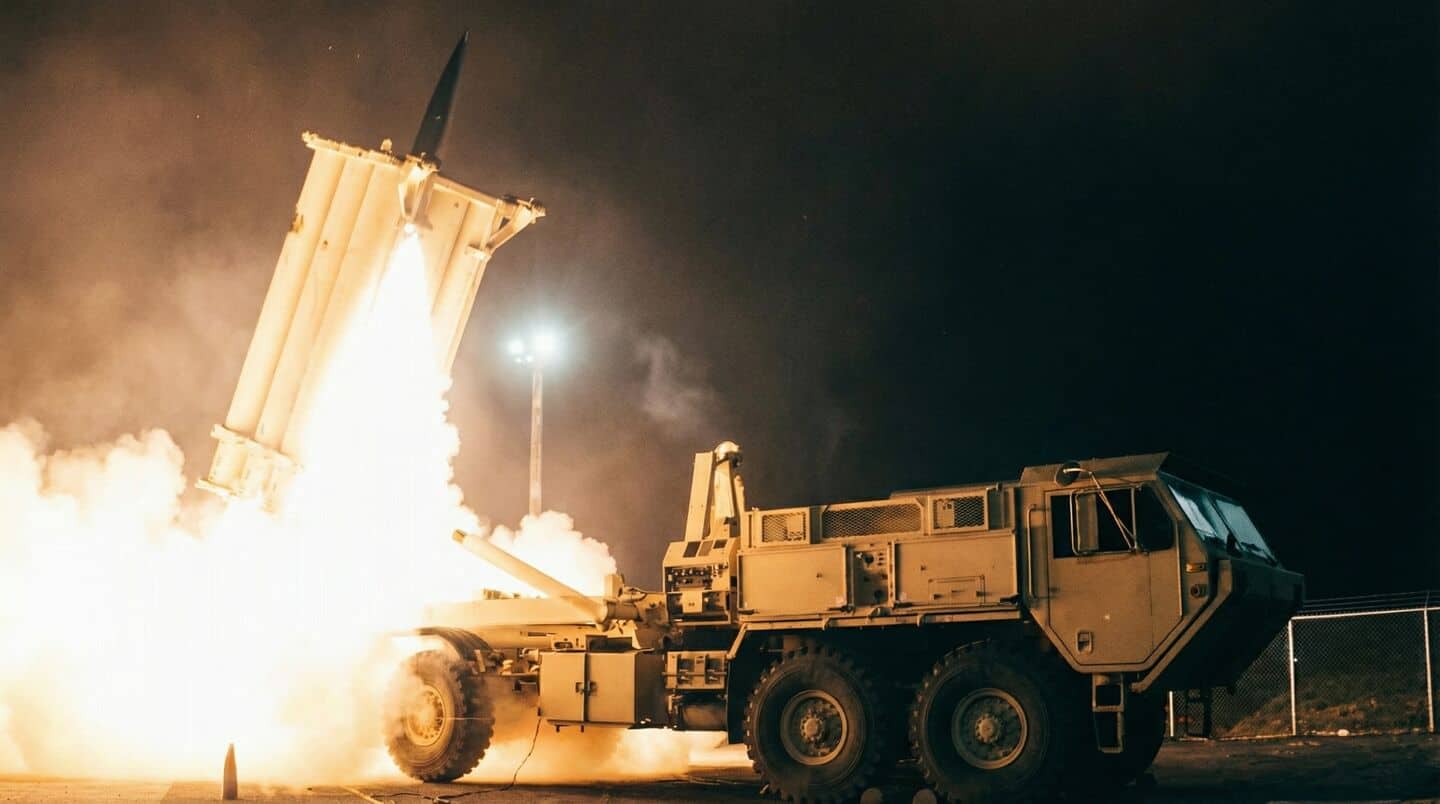
The US Terminal High Altitude Area Defense (THAAD) units are designed to intercept ballistic missiles at the edge of the atmosphere, making them more effective against difficult threats than shorter-range Patriot batteries.
With the AN/TPY-2 radar destroyed, missile interception will now rely on PAC-3 missiles used by Patriot systems, which are already in short supply.
The US has eight THAAD systems worldwide, including South Korea and Guam.
Battery composition
Loss of strategic resources a huge blow
A THAAD battery is made up of 90 soldiers, six truck-mounted launchers, and 48 interceptors. It also includes one TPY-2 radar and a tactical fire control and communication unit.
Each interceptor missile costs around $13 million.
Tom Karako, a missile defense expert at the Center for Strategic and International Studies, said that losing such strategic resources is a huge blow as the Army's eight-battery force falls short of requirements set in 2012.
Defense strain
Gulf region's air and missile defense systems stressed
William Alberque, a senior fellow at the Pacific Forum research institute, said, "If you want integrated air and missile defenses, this is just one of the things you'd put in the theater."
Earlier in the conflict, an AN/FPS-132 radar in Qatar was damaged during an Iranian attack. This system is designed for early warning but lacks precision for weapon launch.
Iranian retaliatory attacks of drones and ballistic missiles have stressed the Gulf region's air and missile defense systems.