Could Iran war's impact on water crisis destabilize Middle East?
What's the story
The ongoing conflict in Iran is worsening the already dire water crisis in the Middle East. The Middle East is the most water-stressed region globally, with approximately 83% of its population currently experiencing extremely high water stress, a figure expected to reach nearly 100% by 2050. The World Resources Institute (WRI) highlights that the mismatch between limited natural supply and rising demand has pushed much of the region into scarcity.
Desalination dependence
Desalination dependence and vulnerability
In the Gulf, nations like Saudi Arabia, Kuwait, and Oman are heavily dependent on desalination plants for drinking water.
These facilities are critical to providing potable water but are also vulnerable to disruptions.
Michael Werz of the Council on Foreign Relations points out that the Gulf is a key energy corridor and food trade route. Disruptions around the Strait of Hormuz could have far-reaching impacts beyond the region.
Infrastructure damage
Infrastructure damage and potential crises
The ongoing war has damaged critical infrastructure such as desalination plants, dams, and pipelines.
Liz Saccoccia from WRI's Water, Peace and Security Partnership warns that conflict can amplify existing risks associated with water scarcity and transform them into larger security emergencies.
A past US diplomatic assessment warned that if a major desalination facility supplying Riyadh were disrupted, the city could face an acute water crisis within days.
Water bankruptcy
Iran's looming water crisis
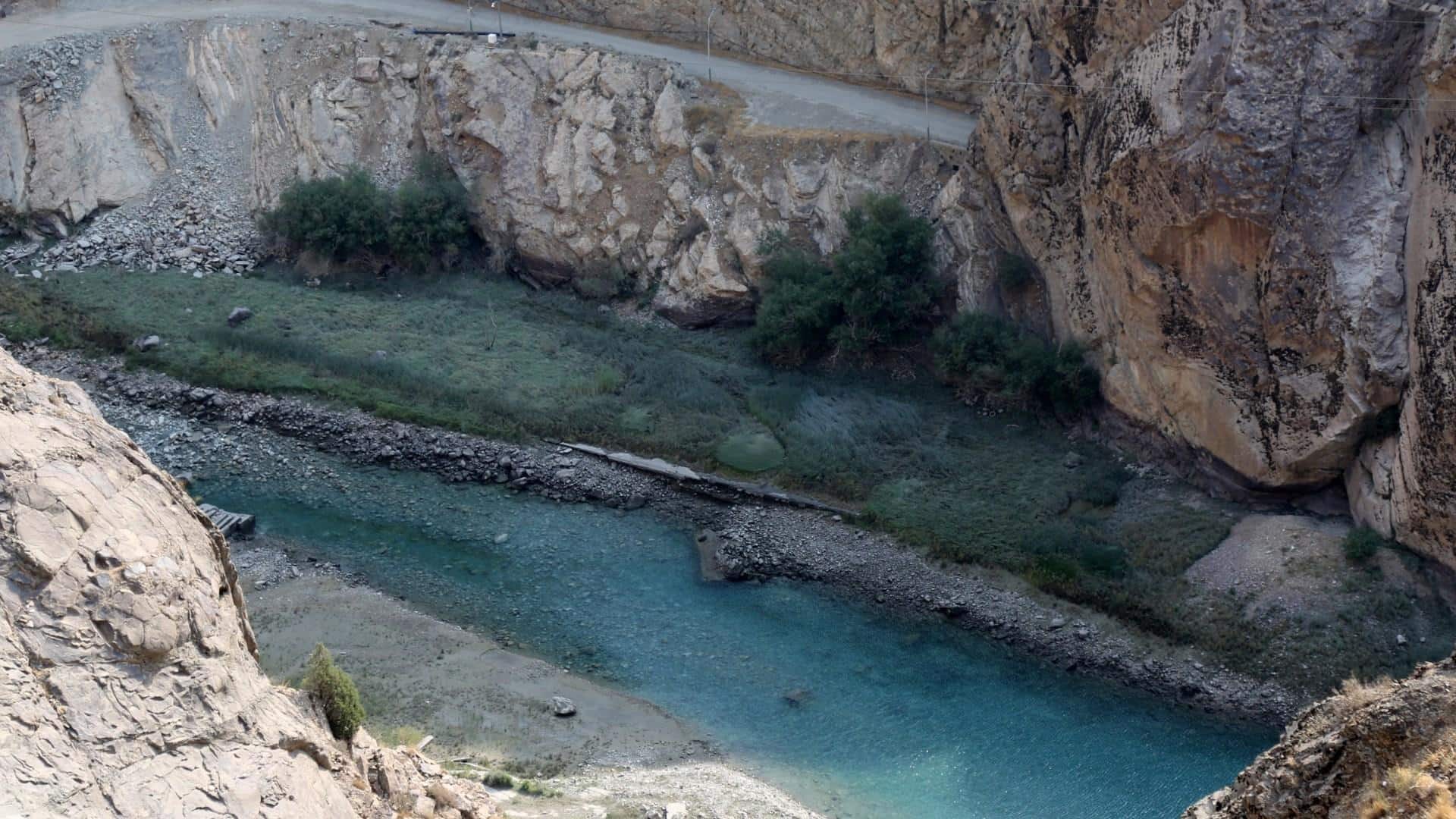
Even before the war started in February, Iran was nearing "water bankruptcy." Years of drought and unsustainable management have pushed the country into severe water stress.
According to WRI's Aqueduct data, Iran uses over 80% of its renewable water resources every year.
The situation is especially dire in Tehran, where reservoir levels dropped critically low in 2025 due to below-average rainfall.
Cycle of instability
Water, conflict, and regional stability
The link between water scarcity and conflict is becoming increasingly clear globally.
The Pacific Institute notes that incidents of water-related conflict have been rising, highlighting how essential resources have become contested.
Water scarcity can trigger unrest, as seen in Syria, where prolonged drought contributed to economic collapse before civil war broke out.
Saccoccia explains these dynamics create "a vicious cycle" where scarcity fuels instability, and damaged systems intensify scarcity.