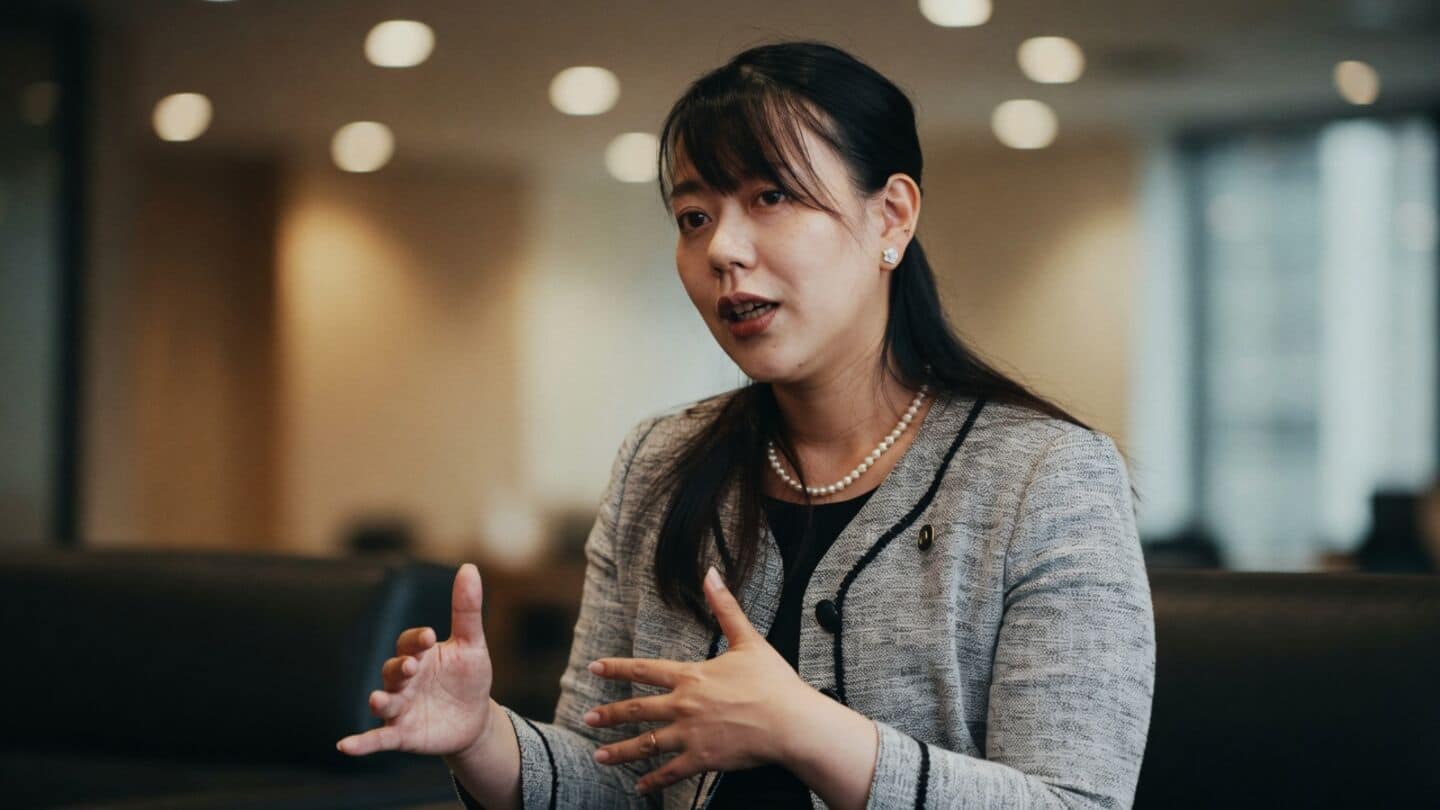
Japan's youngest female mayor becomes 1st to take maternity leave
What's the story
Shoko Kawata, the 35-year-old mayor of Yawata City in Kyoto Prefecture, has announced her decision to take maternity leave. Elected in 2023, she is due to give birth in mid-September and will take a total of 16 weeks off: eight weeks before and eight after childbirth. This move has sparked a national debate, as there is no legal framework for elected officials to take such leave in Japan.
Gender gap
Kawata's decision sparks national debate
Kawata's decision has highlighted the gender equality issues in Japan, where women make up less than 15% of the House of Representatives, according to the data shared by IPU Parline.
The country only elected its first female prime minister last year.
Despite criticism on social media about her absence being a waste of taxpayers' money, Kawata said she has received support from those she spoke to in person, claiming they have been "incredibly understanding."
Change catalyst
Hopes for systemic change
Kawata hopes her decision will be a "catalyst for changing the system" as Japan faces a declining birth rate and gender gaps in leadership.
She plans to appoint a deputy to lead Yawata during her absence and plans to check emails regularly while on leave.
Sociology Professor Sawako Shirahase from the University of Tokyo noted that Japan's attitudes toward government are based on "very old-fashioned assumptions."
Birth decline
Declining birth rates in Japan
The debate over Kawata's maternity leave comes amid Japan's struggle with declining birth rates.
In 2025, the country recorded 671,236 births, marking the 10th straight year of decline.
Experts attribute this to Japan's overwork culture and rising living costs.
Many young people prioritize careers over starting families due to punishing work hours and pressure from supervisors.
The Japanese even have a term: karoshi, meaning "death by overwork," used in cases of fatal work-induced heart and brain conditions.
Labor disparity
Gender gap in labor force participation
Japan's gender gap in labor force participation is higher than in other high-income countries.
About 56% of women participate in the labor force compared to about 72% of men, according to the World Bank.
Kawata argued that women shouldn't have to choose between careers and having babies, saying they're working toward systems aimed at achieving proper gender equality.