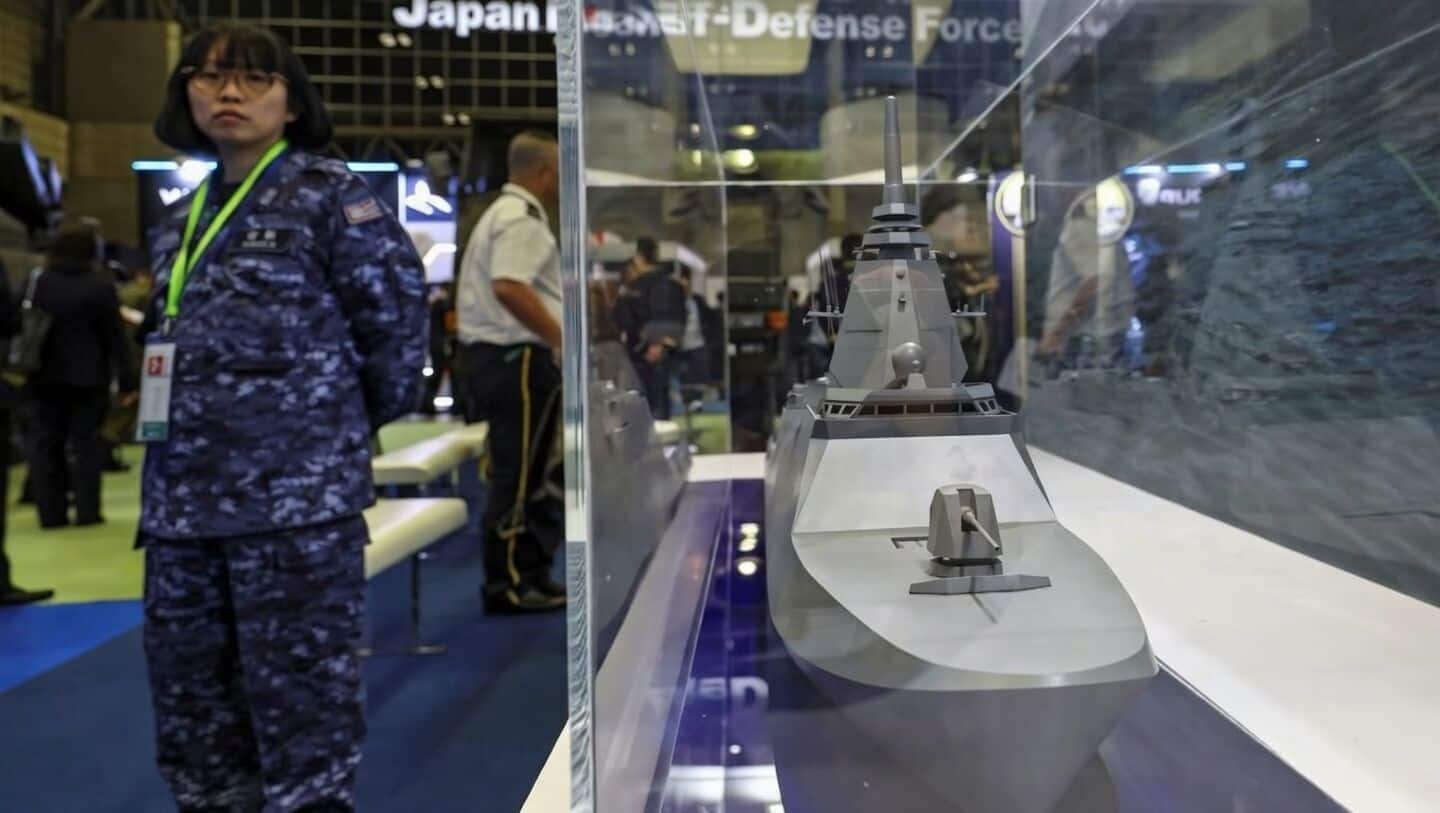
Japan scraps postwar arms export limits, opens global weapons market
What's the story
Japan has announced a major overhaul of its defense export rules, removing restrictions on overseas arms sales, allowing exports of warships, missiles, and other weapons. Prime Minister Sanae Takaichi said this is a step away from pacifist restraints that have defined Japan's postwar security policy. She emphasized the need for partner countries, saying, "No single country can now protect its own peace and security alone, and partner countries that support each other in terms of defense equipment are necessary."
Global response
Rule change attracts attention of Poland, Philippines
The rule change has caught the attention of countries like Poland and the Philippines, who are looking to modernize their forces.
Philippine Defense Secretary Gilberto Teodoro welcomed the move, saying it would give access to "articles of the highest quality" and contribute to regional stability through deterrence.
The revision removes five export categories that previously limited military exports to rescue, transport, warning, surveillance, and minesweeping equipment.
Industrial boost
Three principles remain in place
The Japanese government will now evaluate each proposed sale on its merits, although three export principles remain.
These include strict screening, controls on transfers to third countries, and a ban on sales to countries involved in conflict.
However, exceptions can be made for national security reasons.
Tokyo hopes these defense exports will strengthen its industrial base by increasing production volumes and lowering per-unit costs.
Military growth
Japan investing heavily in its own military
Japan is also investing heavily in its own military, buying missiles, stealth jets, and drones to counter threats from China.
Tokyo is working on a next-generation fighter jet with Britain and Italy for deployment in the mid-2030s.
The country has increased defense spending to 2% of GDP in recent years, and further increases are expected as part of its new security strategy.