Stranded abroad during war? You are entitled to these rights
What's the story
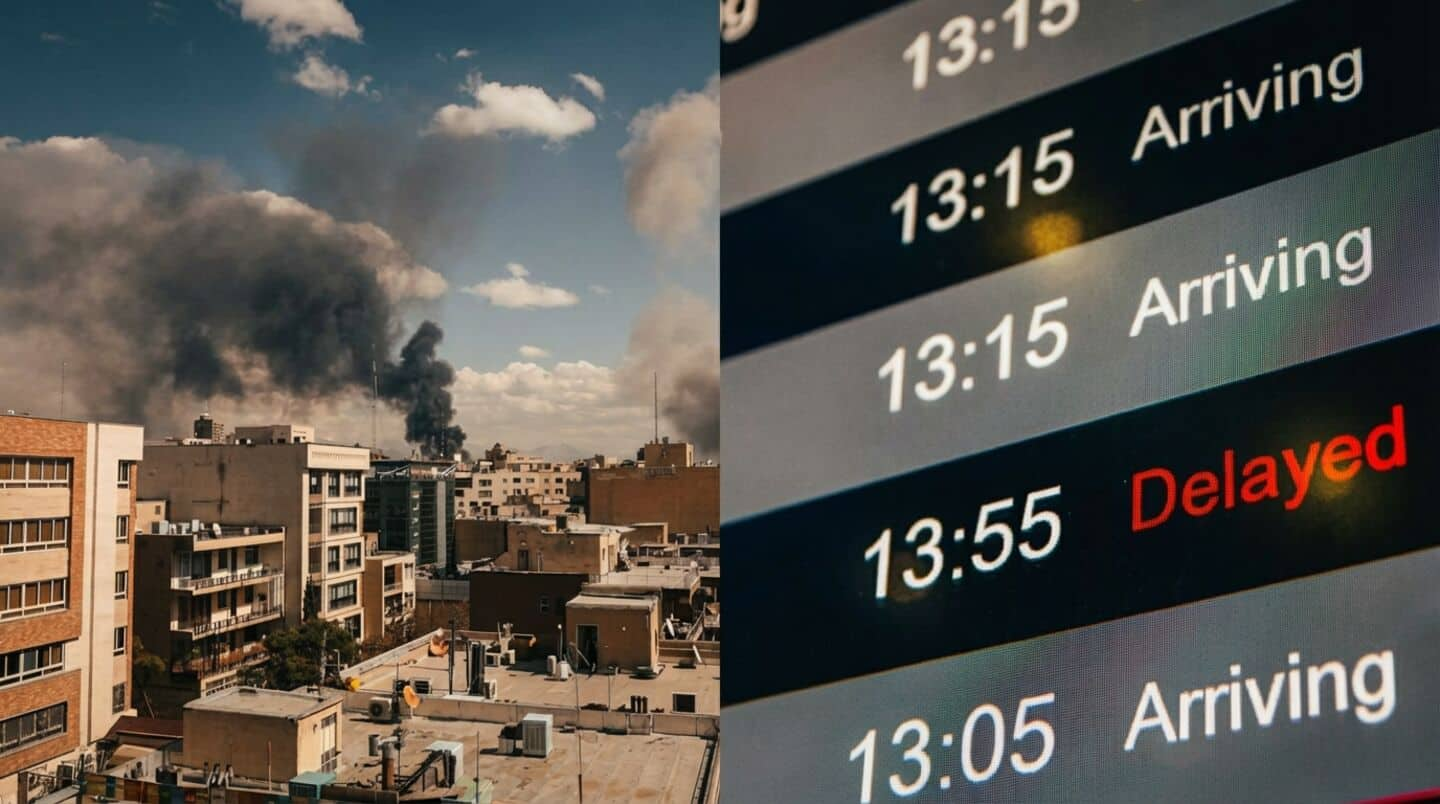
The ongoing tensions between US, Iran and Israel have led to airspace closures across West Asia. Major travel hubs, including Dubai International Airport and Abu Dhabi's Zayed International, have halted/reduced operations. This has resulted in flight cancellations or diversions, leaving hundreds of thousands of passengers stranded worldwide. In light of this situation, it's important for travelers to know their rights under international laws as laid down by the Office of the High Commissioner for Human Rights (OHCHR).
Passenger entitlements
What are passenger rights in case of flight cancellations?
In case of flight cancellations or delays due to the ongoing conflict, passengers are entitled to certain rights.
Airlines must offer re-routing or a refund of the ticket, including associated taxes/fees.
In some regions, airlines are also required to provide care such as meals and accommodation during this time.
Under the European Union's Regulation 261/2005, passengers can receive compensation between €250-€600 depending on flight distance.
Movement rights
Right to leave a country
According to international human rights principles, everyone has the right to leave any country, including their own. This right extends beyond citizenship and should not be arbitrarily prevented by states.
The OHCHR emphasizes that states must uphold dignity and rights at borders, including the right to movement even under heightened security measures.
While border closures may be necessary for security reasons, international law prohibits arbitrary denial of exit or entry.
Assistance
Role of embassies and consulates
Embassies and consulates can provide practical help to stranded travelers.
Common services include emergency contact lists, advisories on safe areas, assistance with travel documents, and guidance on local laws.
While embassies are not legally obligated to evacuate citizens under international law, many governments do assist their nationals in crises as a matter of policy.
Currently, several countries have issued travel advisories urging citizens to leave conflict zones or avoid travel entirely due to the ongoing situation in West Asia.
Traveler advice
What can stranded travelers do?
Travelers are advised to contact their airline first for refund/rebooking rights and meal/hotel access.
They should also notify their embassy or consulate about their situation and ask about emergency travel documents or evacuation support.
Monitoring government travel advisories is crucial as many countries have registration portals with live updates for citizens abroad.
Keeping the documentation up-to-date, including passports, visas, insurance papers, and airline receipts can help access rights and assistance during this time.