
'No place for such violence': Yunus condemns Hindu man's lynching
What's the story
The Muhammad Yunus-led interim government in Bangladesh has condemned the recent lynching of a Hindu man, Dipu Chandra Das, accused of blasphemy. The incident took place aroung 9:00pm in Mymensingh district, where local residents alleged Das made derogatory remarks about Prophet Muhammad and beat him to death. The attackers then tied his body to a tree and set it ablaze. Reacting to the brutal murder, the interim government vowed that "no one involved in this brutal crime will be exempted."
Security appeal
Government urges vigilance against violence
The Yunus administration has also urged citizens to remain vigilant against all forms of violence, which it claims are being perpetrated by "some isolated terrorist groups." The government said such acts of violence, fear, arson and destruction were being unequivocally condemned. It added that Bangladesh is undergoing a historic democratic transformation at a critical juncture and warned attempts to create chaos would not be allowed to derail the country's path toward peace.
Rising tensions
Unrest follows death of radical student leader
The lynching incident comes amid unrest in Dhaka after the murder of radical student leader, Sharif Osman Hadi. Hadi was a key figure in the July 2024 uprising and was known for his anti-Sheikh Hasina and anti-India stance. He died from gunshot wounds sustained on December 12, triggering widespread protests demanding justice and the arrest of those who, some student groups alleged, fled to India. They demanded that the administration close the Indian High Commission until the accused were returned.
Escalating violence
Protests turn violent, target media outlets
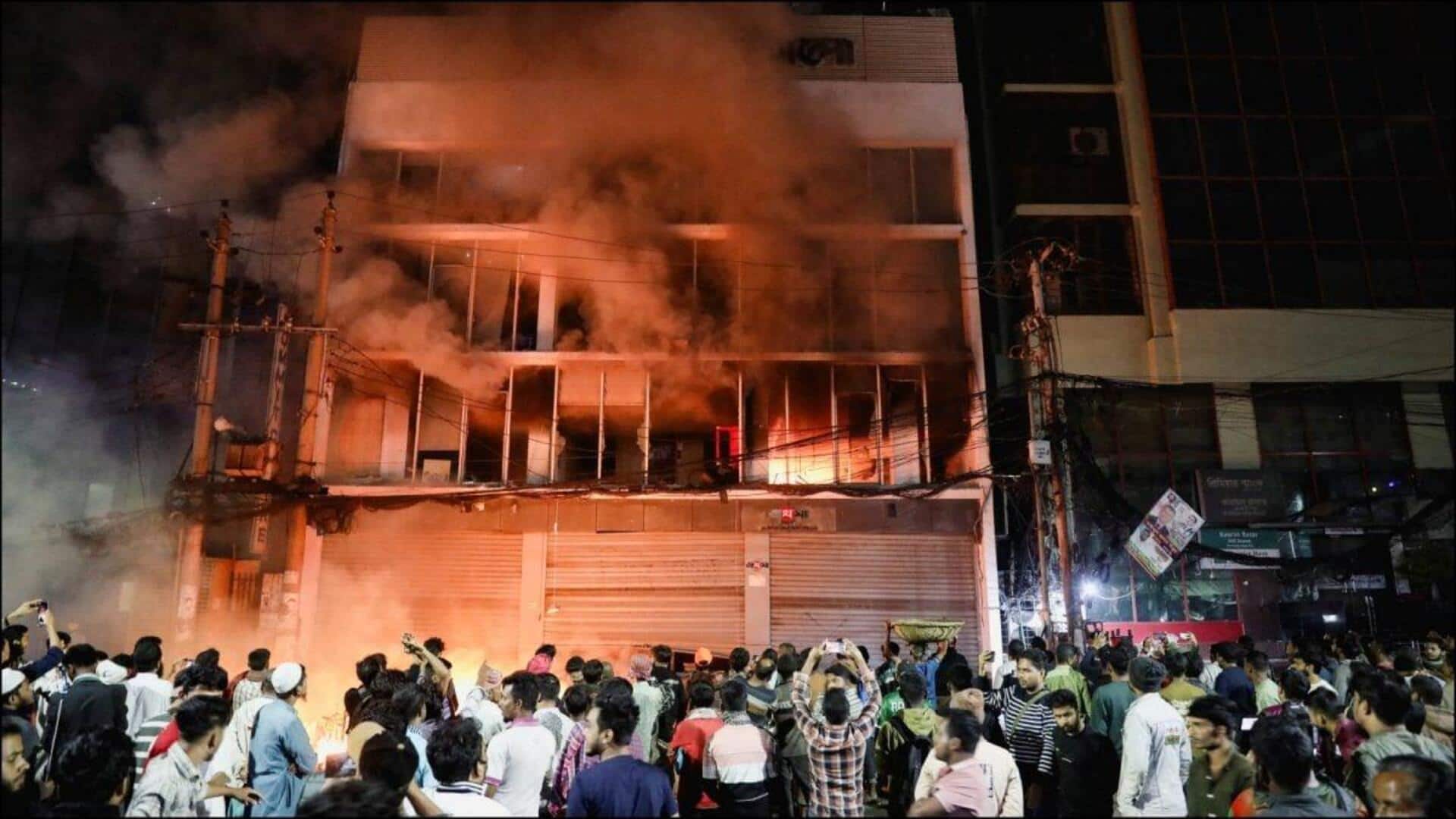
The protests over Hadi's death turned violent, with mobs setting fire to the offices of leading dailies Prothom Alo and The Daily Star. The two newspapers are the largest in Bangladesh, but protesters have accused them of siding with neighboring India, where Hasina is now in self-imposed exile. Protesters also targeted Bangladesh's founding father Sheikh Mujibur Rahman's residence and several cultural centers.