Why Sri Lanka has declared Wednesdays holiday amid Iran war
What's the story
Sri Lanka has declared every Wednesday a public holiday to conserve fuel amid fears of possible shortages due to the ongoing conflict in West Asia. The decision was announced on Monday after President Anura Kumara Dissanayake held an emergency meeting with senior officials. "We must prepare for the worst, but hope for the best," Dissanayake said during the meeting.
Measure
Asia is world's largest oil-importing region
This is the latest in a series of belt-tightening measures implemented by Asian countries since the war closed the Strait of Hormuz, which used to carry millions of barrels of oil from the Gulf to the region.
Last year, about 90% of the oil and gas that went through the strait went to Asia, which is the region that imports the most oil in the world.
Rationing measures
Workweek changes in Sri Lanka
The four-day workweek will apply to government institutions, schools, universities, and courts across the country.
However, essential services such as health and immigration authorities will continue to function uninterrupted.
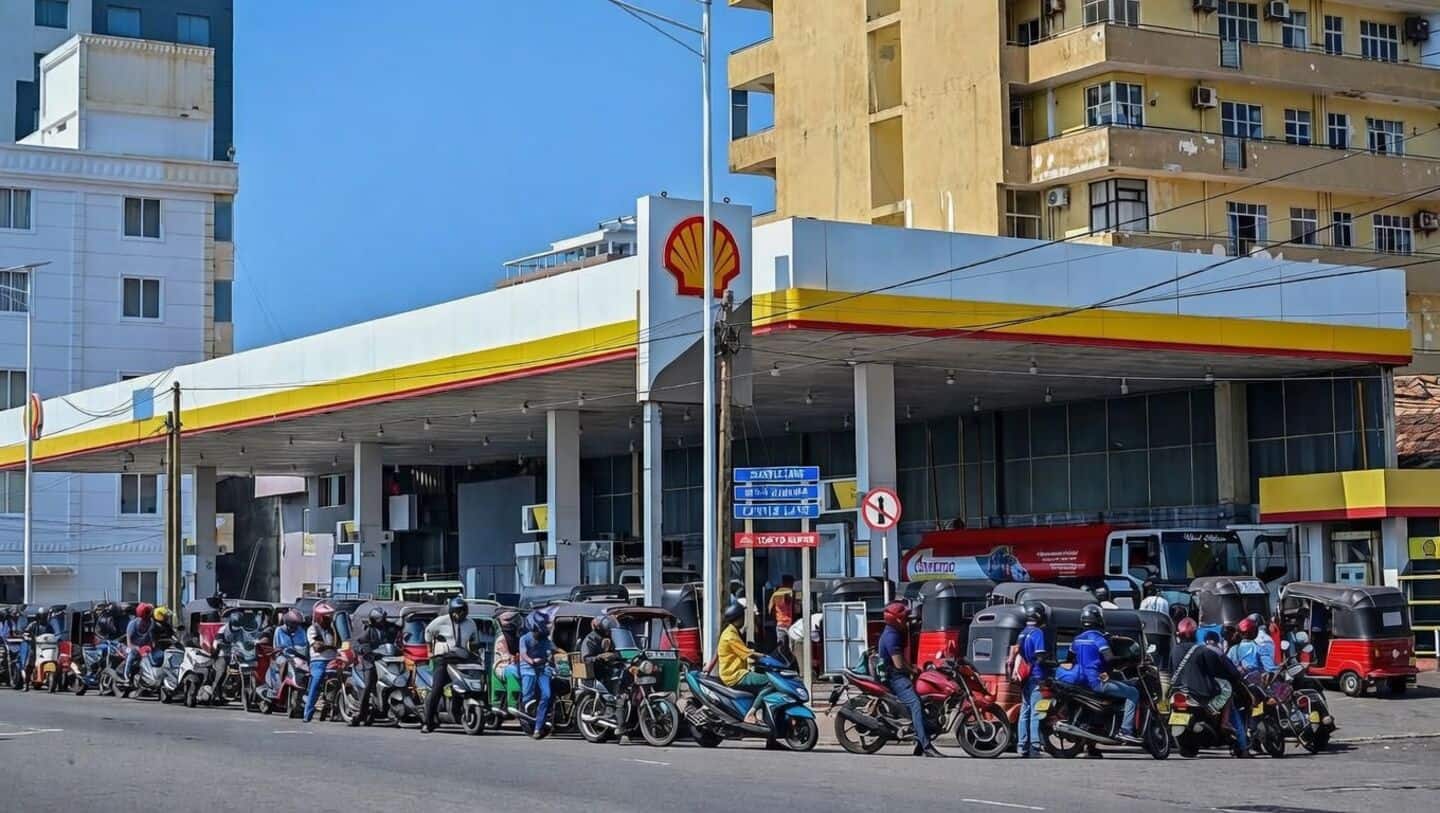
The government has also reintroduced a QR-based fuel distribution system to manage domestic supplies. Under this system, only vehicles with valid QR codes are issued fuel according to weekly quotas based on their type.
Rationing details
Fuel quotas for different vehicle types
Motorcycles are allowed five liters of fuel per week, while motorcars and three-wheelers can purchase 15-liter. Vans are allotted 40-liter, busses 60-liter, and motor lorries up to 200-liter weekly.
This has created dissatisfaction among some Sri Lankans who believe the fuel quotas are too low.
The rationing mechanism was first employed in 2022, during the country's biggest economic crisis, when it ran out of foreign reserves and was unable to import essential items or purchase adequate fuel.
Regional response
Similar measures in other Asian countries
Other Asian nations are also adopting austerity measures to conserve fuel.
Thailand is encouraging citizens to wear short-sleeved shirts instead of suits, while Myanmar has implemented odd-even vehicle restrictions based on license plate numbers.
Bangladesh has advanced Ramadan holidays in universities and introduced planned blackouts nationwide.
In Vietnam, citizens are encouraged to stay home more and use bicycles or public transport when possible.