Israel-Hezbollah tensions escalate after IDF destroys tunnel network
What's the story
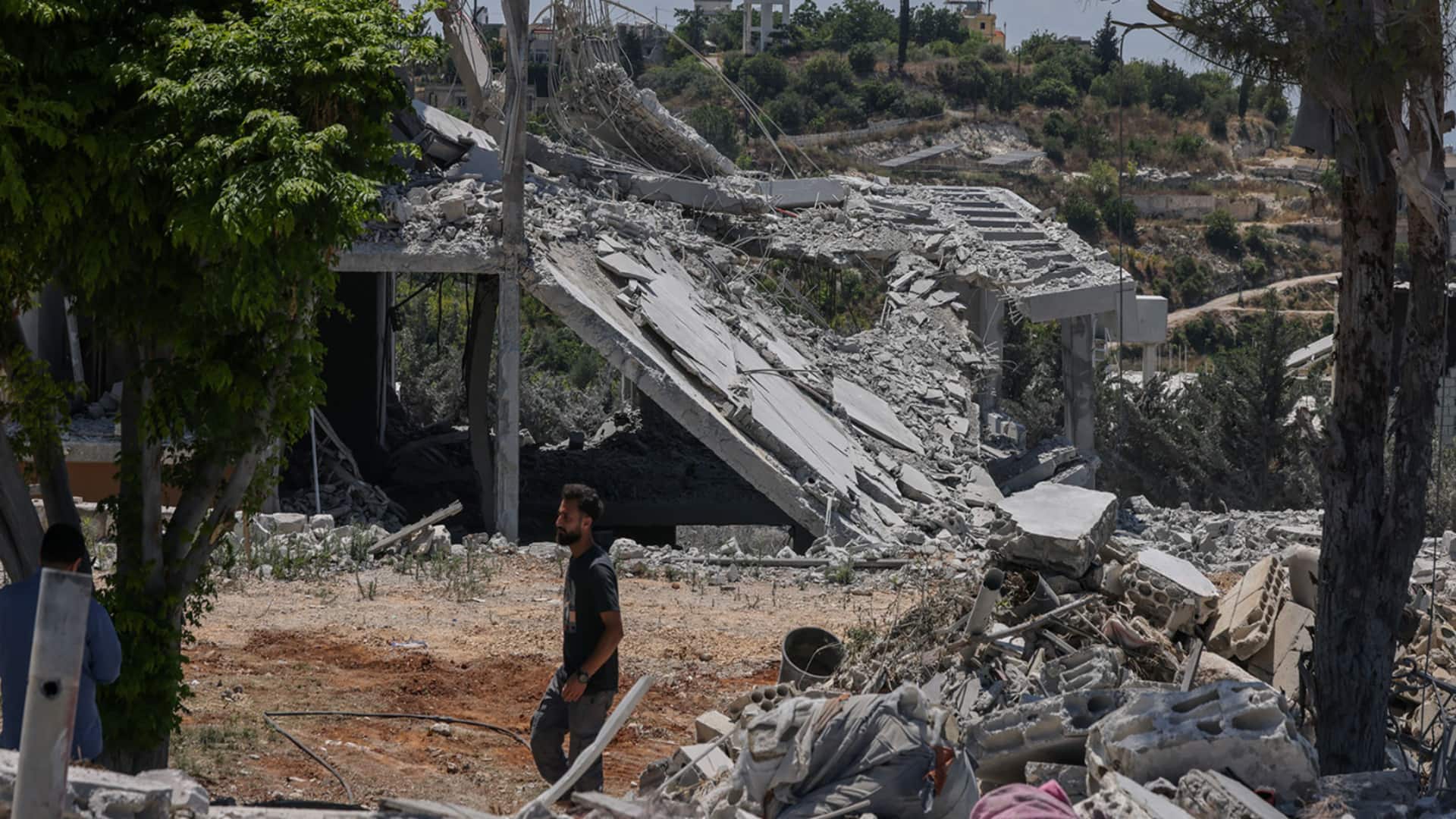
Tensions have escalated between Israel and Hezbollah after the Israeli military destroyed a major tunnel network in southern Lebanon. The incident comes just days after Israel and Lebanon signed a United States-backed framework agreement aimed at achieving peace and disarming Hezbollah. The Israeli Defense Forces (IDF) said they uncovered an extensive tunnel, over 200 meters long and more than 25 meters deep, packed with weapons and launch shafts targeting Israel.
Retaliation promised
Hezbollah accuses Israel of violating ceasefire
Hezbollah has accused Israel of violating the ceasefire and warned it reserves the right to defend its homeland. The group said it was monitoring developments closely. Lebanese state media reported several Israeli strikes across southern Lebanon, including Nabatieh. Two people were injured when an Israeli stun grenade exploded in the south, according to Lebanon's health ministry.
US notified
US informed about Israeli operation before it took place
Israeli officials said Washington and its representative in Lebanon were informed before the operation. An AFP journalist in Tyre, a coastal city near the detonation site, reported seeing smoke rising near Majdal Zoun. Residents of nearby towns evacuated after hearing reports that Israel might detonate explosives in their vicinity.
Casualties reported
Israeli soldier killed during combat operations
The Israeli army also confirmed the death of one soldier during combat operations in southern Lebanon. They claimed to have neutralized a Hezbollah operative involved in clashes with their forces. Meanwhile, Lebanese President Joseph Aoun assured US President Donald Trump that Lebanon would fulfill its responsibilities under the agreement. The deal conditions any Israeli withdrawal from occupied Lebanese territory on Beirut's disarmament of Hezbollah through "pilot zones" taken over by the Lebanese military.
Agreement rejection
Hezbollah rejects agreement, warns of potential conflict
Hezbollah leader Naim Qassem has rejected the agreement, calling it a "surrender of sovereignty." The group had opposed talks with Israel from the start. Lebanese Parliament Speaker Nabih Berri also criticized the framework for not preserving Lebanon's rights and vowed to confront it politically. The deal has exposed deep internal divisions in Lebanon and raised concerns of further conflict.