Why hundreds of flights in London have been delayed
What's the story
Severe thunderstorms sweeping through southern England have wreaked havoc on air travel, with nearly 800 flights delayed and dozens canceled at London's Heathrow and Gatwick airports yesterday. According to flight tracking data, the stormy weather and temporary air traffic restrictions impacted operations at both airports. The UK air traffic control provider National Air Traffic Services (NATS) had warned yesterday, that weather-related disruption was likely to continue through the rest of the day as severe thunderstorms moved across southeast England.
Schedule changes
EasyJet cancels flights to and from Gatwick
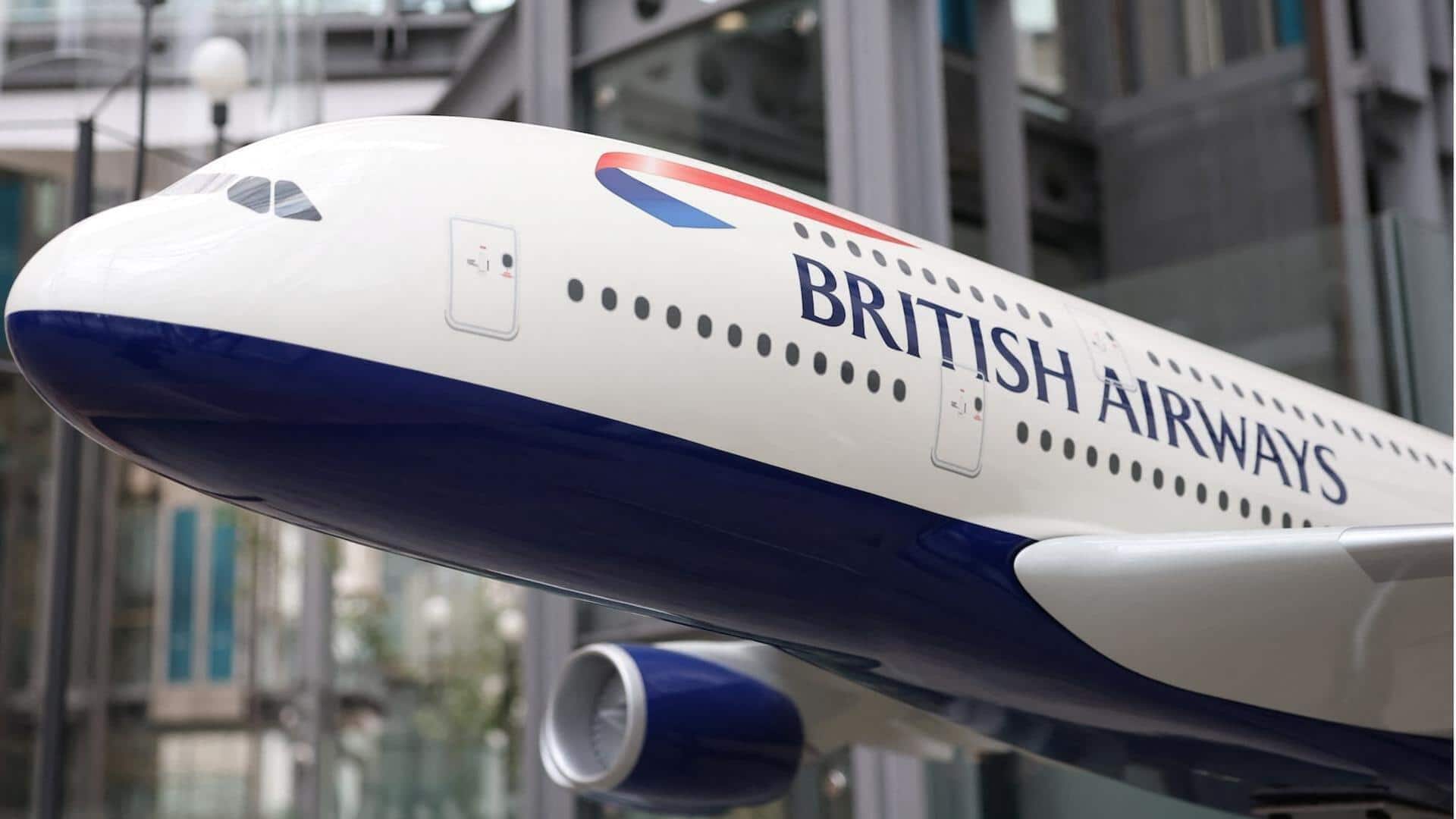
Several airlines, including British Airways and EasyJet, have had to adjust their schedules due to the severe weather conditions.
EasyJet confirmed it had canceled some flights to and from Gatwick as thunderstorms limited the number of aircraft that could safely arrive and depart.
The airline is offering refunds, alternative flights, hotel accommodation, and meals where necessary to affected passengers.
Flight delays
British Airways acknowledges disruptions
British Airways has also acknowledged disruptions to its schedule due to air traffic control restrictions caused by severe weather affecting UK airspace.
Flight tracking services showed that delays varied significantly, with some long-haul flights expected to arrive more than 10 hours behind schedule.
The disruption comes after a record-breaking heatwave across the UK, where temperatures hit 37.3 degree Celsius in Suffolk on Friday, the hottest June day ever recorded in the country.
Weather impact
Storms force aircraft to take longer routes
The intense heatwave gave way to unstable weather conditions overnight, with thunderstorms developing and bringing heavy rain, lightning, and turbulent flying conditions across southern England.
European air traffic management agency Eurocontrol reported that the worst congestion was in airspace between southeast England and northwest Europe, as storm clouds forced aircraft to take longer routes to avoid turbulence.