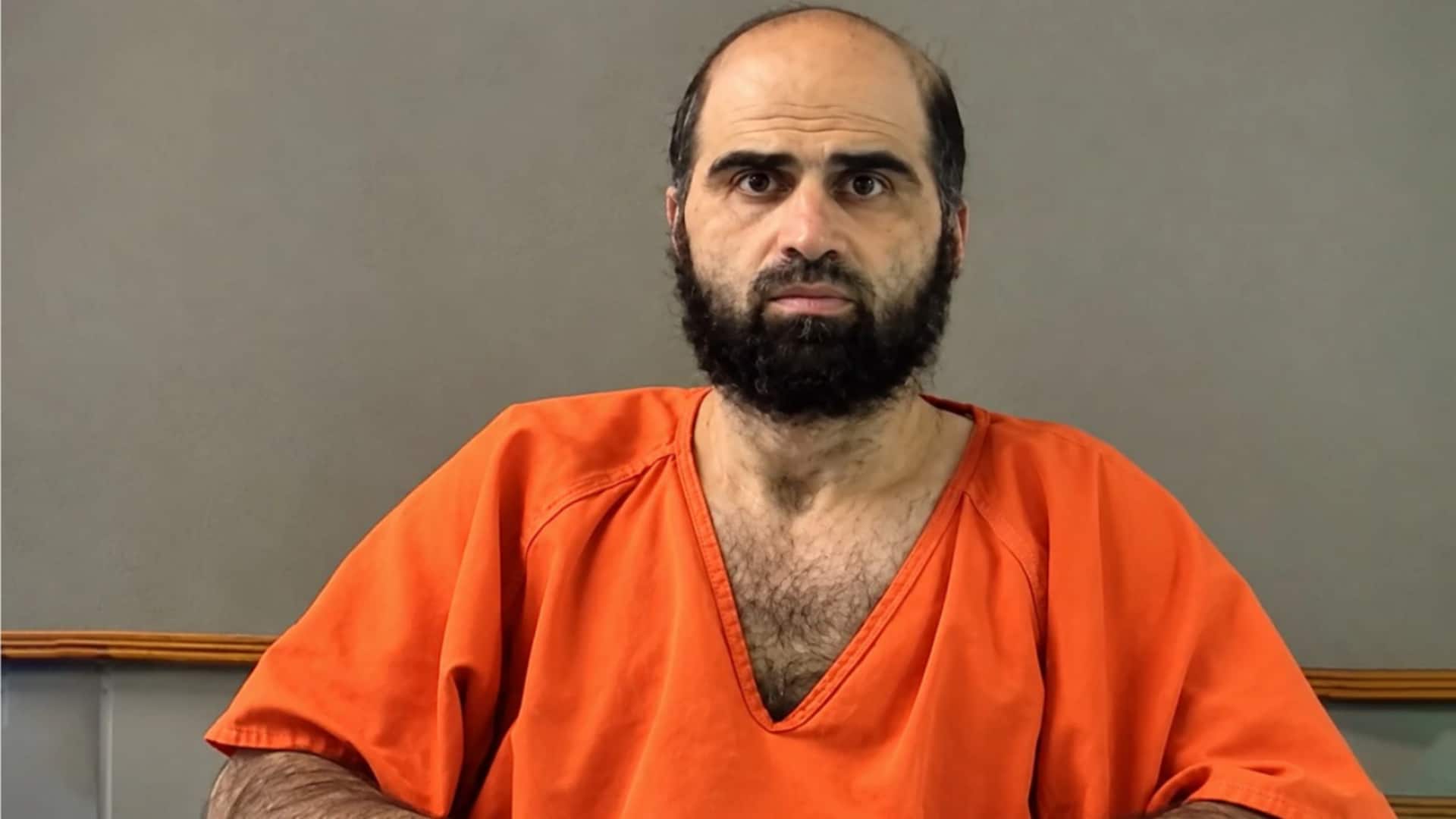
Trump approves 2009 Fort Hood shooter's execution by firing squad
What's the story
United States President Donald Trump has signed off on a firing squad execution for Nidal Hasan, the man behind the 2009 Fort Hood shooting in Texas. The Pentagon confirmed the news on Monday, with Defense Secretary Pete Hegseth recommending this course of action. The Secretary of the Army will also determine when and where the execution will take place.
Attack details
Hasan killed 13, injured 32 in mass shooting
On November 5, 2009, Hasan opened fire on unarmed soldiers at Fort Hood, killing 13 and injuring 32 while shouting "Allahu Akbar."
The shooting took place at the Soldier Readiness Processing Center.
Civilian responders ended the rampage by engaging Hasan in a gunfight, leaving him paralyzed from the waist down.
Court-martial proceedings
Hasan was convicted of premeditated murder in August 2013
Hasan was found to have been radicalized after contacting extremist Islamic figures, including Anwar al-Awlaki.
He was charged under the Uniform Code of Military Justice and represented himself in a court-martial in August 2013.
Admitting to the attack, Hasan claimed he wanted to protect Taliban leaders abroad.
He was convicted on 13 counts of premeditated murder and 32 counts of attempted premeditated murder, receiving a death sentence.
Execution procedure
What is the process of execution by firing squad?
Execution by firing squad is legal in five US states: Idaho, Mississippi, Oklahoma, South Carolina, and Utah.
The method involves strapping the inmate to a chair with protective restraints and placing a dark hood over their head.
A medical examiner pins a target over the inmate's heart before five trained law enforcement or correctional officers fire simultaneously at the chest target from 20 feet away using identical high-powered rifles.
International practice
Countries where execution by firing squad is legal
Firing squad executions are also legal in several other countries, including Indonesia, North Korea, Taiwan, and Saudi Arabia.
Some nations, such as Brazil and El Salvador, allow them during times of military conflict.
In the US states where it's legal, presidential authorization is required for execution by firing squad, as in the Nidal Hasan case.