White House releases fact sheet on India-US deal amid confusion
What's the story
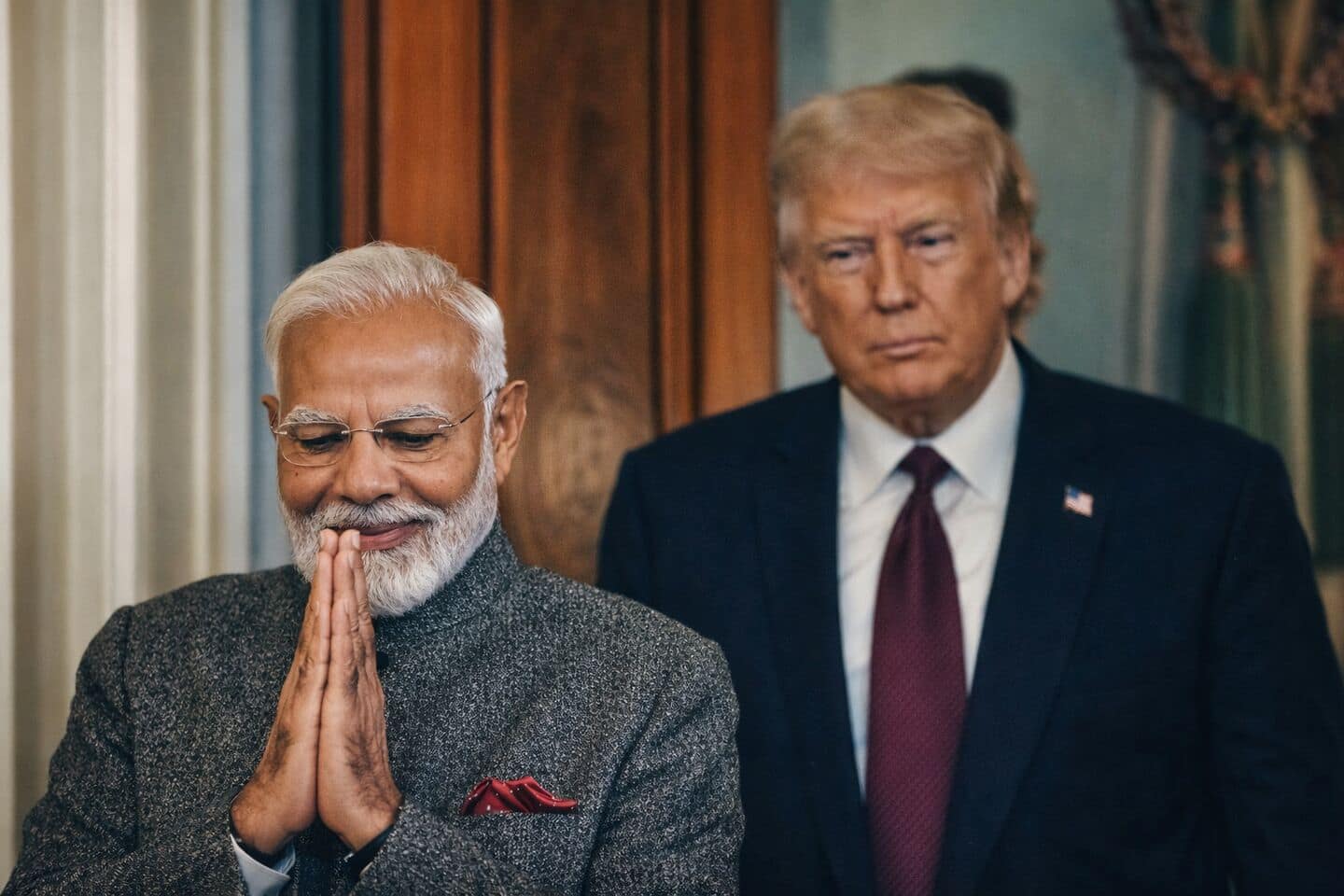
United States President Donald Trump last week announced a trade deal between the US and India. The announcement of the deal follows a call between Trump and Indian Prime Minister Narendra Modi, in which the leaders reached a framework for an interim agreement on reciprocal trade. According to the White House, during the call, Trump agreed to remove the additional 25% tariff on imports from India "in recognition of India's commitment to stop purchasing Russian Federation oil."
White House
Trump removes additional 25% tariff
Trump signed an Executive Order last Friday removing that additional 25% tariff. The White House also said that given India's willingness to align with the US to confront systemic imbalances in the bilateral trade relationship and shared national security challenges, the US will lower the reciprocal tariff on India from 25% to 18%. It has now released the key terms of the trade agreement.
Tariff reduction
India to increase purchases of American products
Under the deal, India will eliminate or reduce tariffs on all US industrial goods and a wide range of US food and agricultural products, including dried distillers' grains (DDGs), red sorghum, tree nuts, fresh and processed fruit, certain pulses, soybean oil, wine and spirits, and additional products. The agreement also commits India to increase purchases of American products worth over $500 billion across energy, information and communication technology, agriculture, and coal sectors.
Digital trade
Digital trade and technology cooperation
Another key aspect of the agreement is digital trade. India has agreed to remove its digital services taxes and negotiate new bilateral digital trade rules under the deal. These rules are aimed at reducing discriminatory practices and preventing customs duties on electronic transmissions between the two nations. The agreement also emphasizes expanding cooperation in technology products and strengthening supply chain resilience.
Trade imbalance
Addressing trade imbalances and barriers
The deal is part of a larger effort to address long-standing trade imbalances and barriers faced by American exporters. The US has pointed out that India has high tariffs on certain goods, especially in agriculture and automobiles. The agreement also includes negotiations on rules of origin to ensure benefits largely flow to businesses in both countries. In the coming weeks, the US and India will promptly implement this framework and work toward finalizing the Interim Agreement, the White House added.