Why reopening Hormuz won't immediately ease oil supply woes
What's the story
The recent US-Iran agreement to reopen the Strait of Hormuz is a welcome development for global energy markets. However, experts warn that it could take weeks, not days, to restore normal oil flows through this vital waterway. The delay is largely due to a backlog of around 500 stranded ships and other security concerns.
Deal details
Experts warn it could take weeks for oil flows resumption
Under the US-Iran peace agreement, Iran will clear mines from the Strait of Hormuz and not charge tolls on shipping. In return, the United States will lift its naval blockade around Iranian ports.
Despite this breakthrough, experts say it could take weeks for normal oil flows to resume through this key route due to disruptions caused by months of conflict.
Shipping challenges
Backlog of around 500 stranded ships
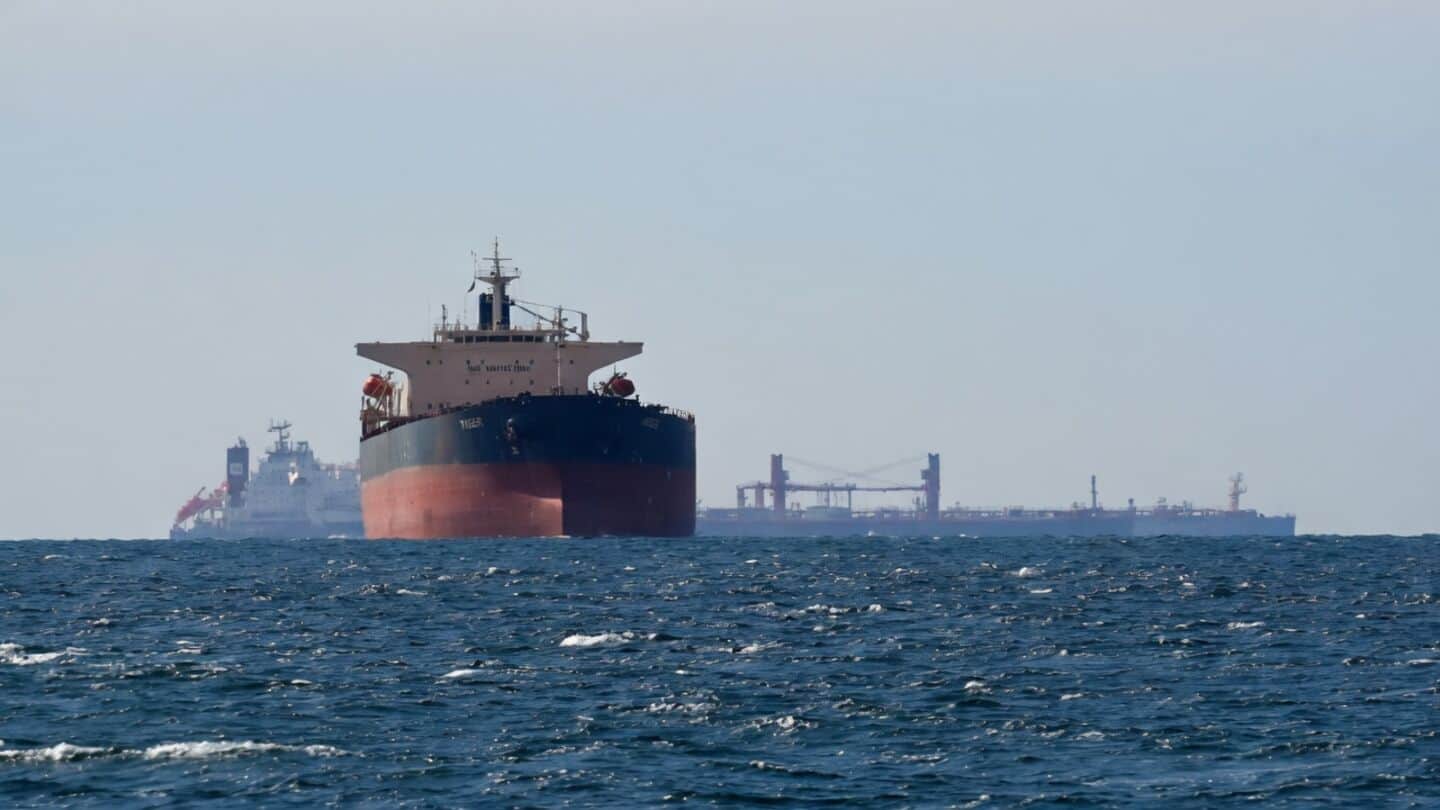
An estimated 500 merchant vessels are stuck in the Gulf, creating a huge backlog. Even if transit resumes immediately, it could take weeks to clear this backlog.
Before the conflict began in late February, around 130 ships used to pass through the Strait of Hormuz every day. Now, traffic has plummeted due to attacks on commercial vessels and crew safety concerns.
Ongoing threats
Navigational risks and safety concerns
A typical commercial transit through the strait takes about eight hours, but authorities and shipping companies will have to manage vessel movements carefully to avoid dangerous congestion.
Major maritime organizations have warned shipowners that a sudden influx of vessels trying to pass through this narrow waterway could create navigational risks.
Further complicating matters are security concerns such as the presence of naval mines in the area.
Deal ambiguity
Uncertainty surrounding the deal
The uncertainty surrounding the deal itself adds another layer of risk.
While US Vice President JD Vance said it includes provisions to prevent Iran from getting a nuclear weapon, many details remain unclear.
Tehran has said final negotiations will only happen after certain commitments by Washington are implemented, leaving questions about the timeline and durability of the accord.
Market response
Financial markets react positively, but challenges remain
Financial markets have reacted positively to the prospect of renewed oil flows. Crude prices fell sharply on Monday, while Asian stock markets rallied on hopes that a prolonged disruption to global energy supplies may be avoided.
However, analysts warn that reopening the Strait of Hormuz is just the beginning and normal oil and gas exports are unlikely to return anytime soon due to these challenges.