Honda pivots from EVs to data centers
What's the story
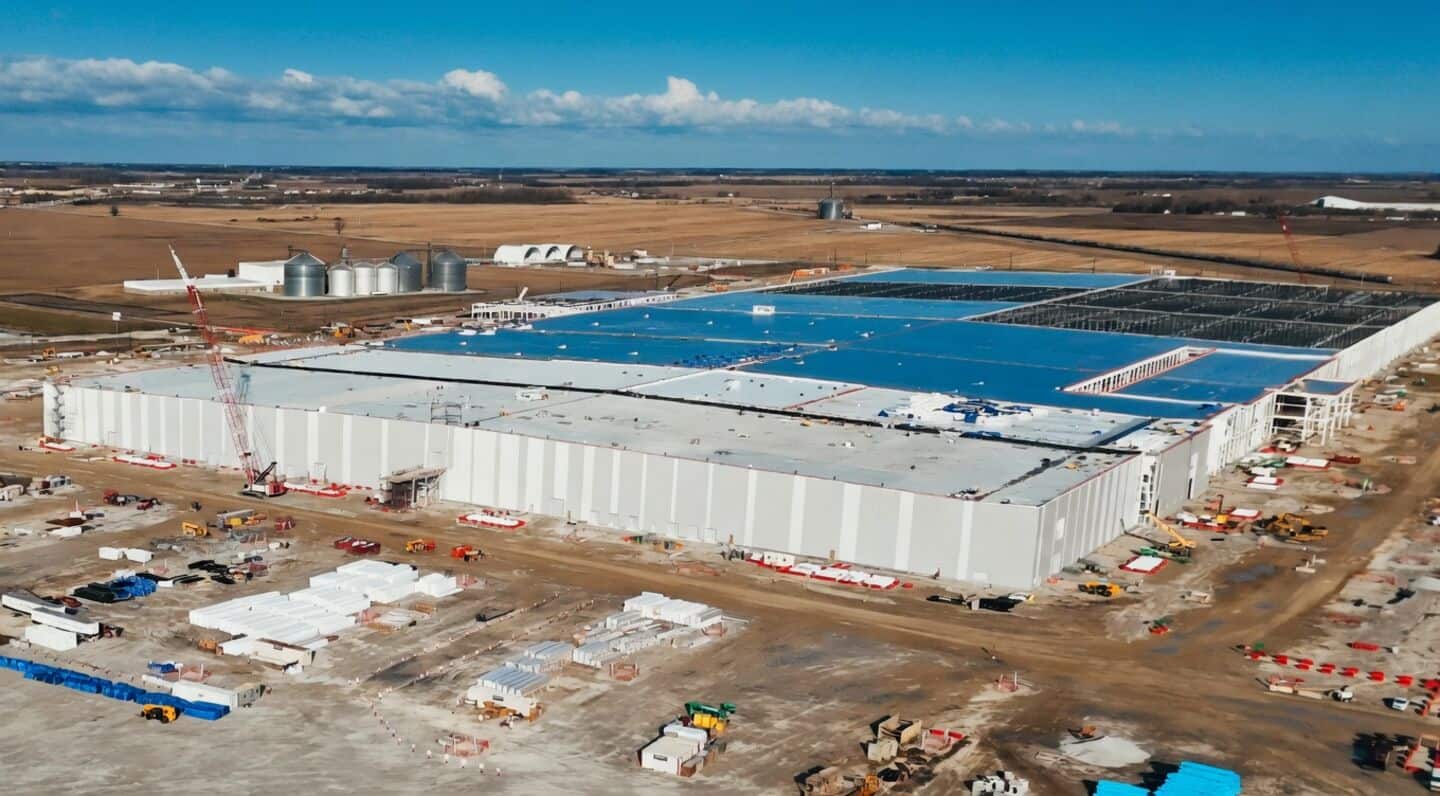
Honda has started producing batteries for energy storage systems, Nikkei Asia reported. This marks the automaker's entry into the booming energy market. The move comes just three months after Honda scrapped its EV programs in the US. The batteries that were initially meant for these EVs will now be used in data centers instead of cars.
Market dynamics
YoY decline in new EV sales
The shift comes as demand for EVs in the US has remained weak after tax credits to incentivize their production were canceled.
This has resulted in a year-over-year (YoY) decline in new EV sales, with consumers rushing to make purchases before these credits disappeared last September.
The uncertainty prompted Honda to cancel three EVs planned for the US market and restructure its strategy, leading to a $15.7 billion write-down last fiscal year.
Strategic partnership
Honda still has JV with LG Energy Solution
Despite the restructuring and cancellation of its US EV programs, Honda has not dissolved its joint venture (JV) with LG Energy Solution.
The automaker still sees potential in the battery business, just like other major players such as Tesla, Ford, and General Motors.
This decision highlights Honda's continued interest in this market despite its recent challenges in the EV sector.
Market expansion
Stationary storage market's growth
The stationary storage market has been witnessing a whopping 32% YoY growth, as per a report by SEIA and Benchmark Minerals.
In Q1 of this year alone, 9.7GWh of energy storage systems were installed, enough batteries to build some 120,000 EVs.
This phenomenal growth is expected to continue with an estimated installation of 110 GWh of energy storage annually by the end of the decade.
Market leader
Tesla's dominance in stationary storage market
Tesla dominates the stationary storage market, earning 30% gross profits on its Megapacks and Powerwalls, which is double its margin on vehicles.
While many stationary batteries are installed at data centers, a large chunk is also connected to the grid.
As battery prices fall, they are increasingly being used to stabilize the grid and support wind and solar installations, making them more reliable sources of energy generation.