Air cargo costs jump 70% amid US-Iran war
What's the story
The ongoing US-Israel war on Iran has sent air cargo costs skyrocketing by as much as 70% on some routes. The conflict is disrupting flights, blocking sea shipments, and pushing up jet fuel prices. South Asia-Europe routes have been the worst hit due to Middle Eastern airspace closures and security concerns.
Trade disruption
Over 100 container ships stranded
The conflict has left over 100 container ships stranded around the critical Strait of Hormuz oil export corridor.
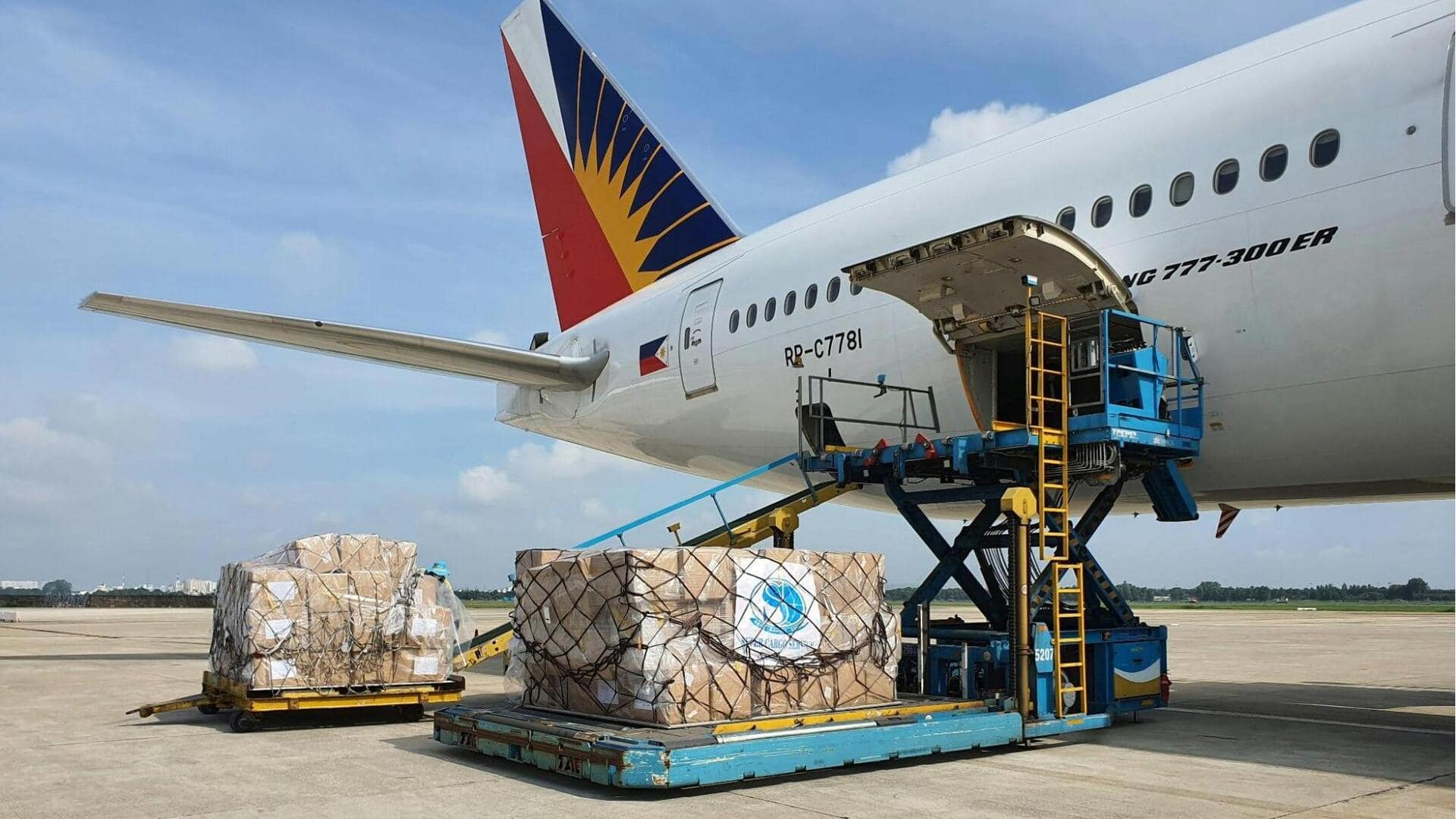
This has forced companies to switch from ocean freight to air cargo for transporting goods like cheap generic medicines from India to the European Union, Africa, and some Arab countries.
The shift is significant as air freight accounts for about one-third of global trade by value.
Cost escalation
Jet fuel prices have doubled
The shift from ocean to air freight is driving up costs, often by five to 10 times. This is due to tightening capacity in the wake of the conflict. The jet fuel price has also doubled since hostilities broke out.
Danish container shipping giant Maersk has announced that its own air cargo service is now charging fuel surcharges and war risk levies.
Capacity reduction
Operations at Dubai and Doha severely limited
The airspace closures have also reduced cargo capacity in freighters and passenger planes as airlines are taking longer routes to avoid the conflict zone. This has further pressured rates.
Operations at Dubai and Doha, usually among the world's busiest air cargo hubs, have been severely limited by the ongoing conflict in the Middle East.
Rate increase
Direct flights from Hong Kong to Europe skipping Dubai stopover
Niall van de Wouw, chief air freight officer at Xeneta, has attributed the rise in air cargo rates to a "dramatic reduction" in capacity at key Middle East transshipment hubs rather than higher fuel prices.
Ronald Lam, CEO of Hong Kong's Cathay Pacific Airways, revealed that many freighter flights to Europe usually stop in Dubai for refueling and loading more cargo.
However, due to the situation there, they are now skipping this stopover and flying directly to Europe.