Amazon, Meta to lobby NPCI over PhonePe, Google Pay's dominance
What's the story
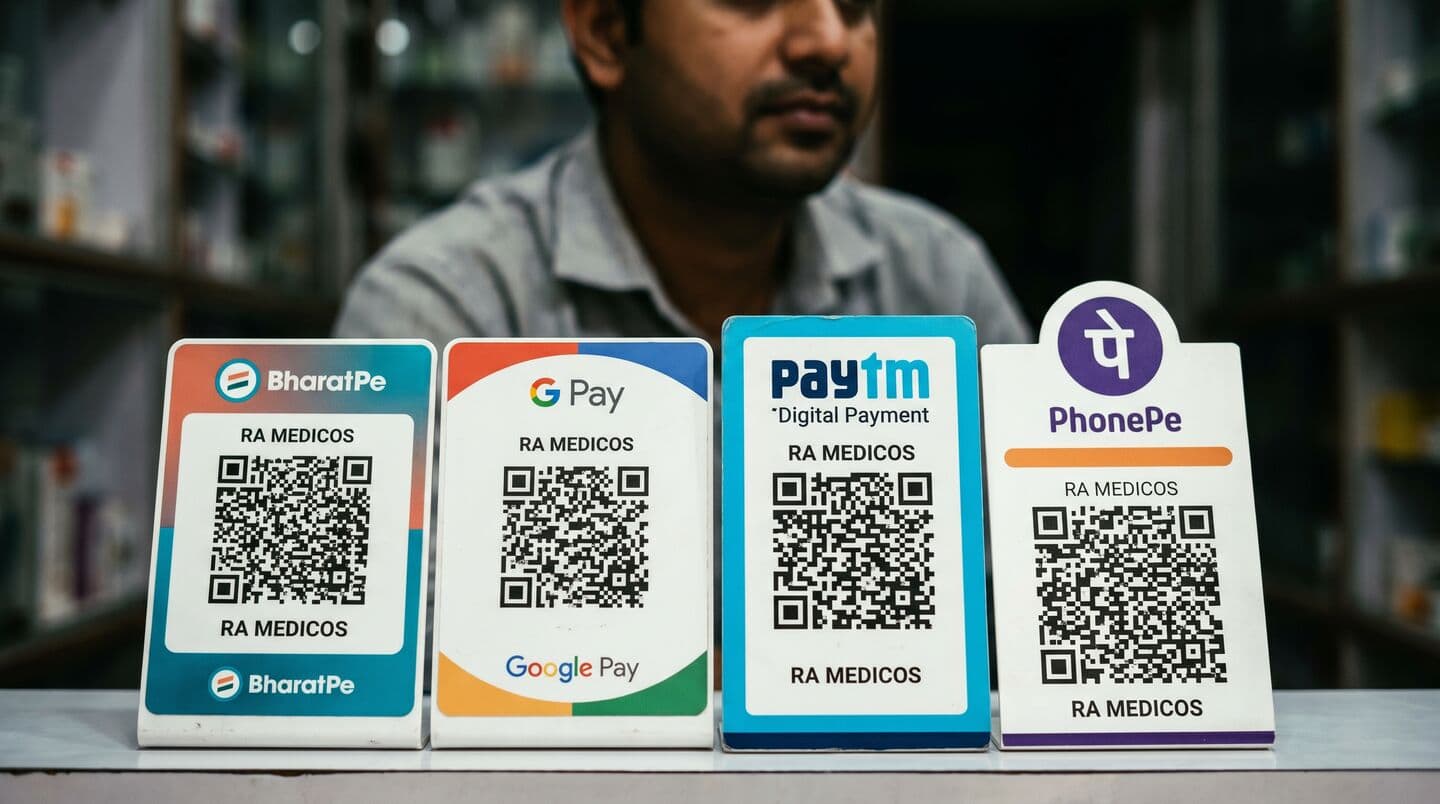
Amazon and Meta are set to challenge the dominance of PhonePe and Google Pay in India's instant payments network. According to TechCrunch, the two tech giants will meet with the National Payments Corporation of India (NPCI) today. The meeting comes over a year after India postponed plans to cap UPI apps' market share at 30% until December 31, 2026, a move that would have restricted any single app's share of UPI transactions.
Market share
PhonePe, Google Pay dominate UPI transactions
PhonePe and Google Pay together accounted for about 80% of the 22.6 billion transactions on the UPI network in March, NPCI's data shows.
The scale of these two apps is far ahead of their competitors, like Paytm, Flipkart's Super.money, CRED, Amazon Pay, and MobiKwik.
PhonePe recently announced that it has crossed 700 million registered users and 50 million merchants across India.
Discussion points
Smaller players to raise concerns in upcoming meeting
The upcoming meeting will see representatives from Amazon Pay, WhatsApp, CRED, MobiKwik, and Flipkart's Super.money.
They are likely to raise concerns over user acquisition practices, product design, and monetization within the UPI ecosystem.
Proposed changes include restrictions on how dominant apps onboard users and use contact data.
There are also calls for fair access to features like autopay and payment mandates, as well as incentives/regulatory support for emerging players to compete.
Regulatory hurdles
Outcome of meeting remains uncertain
The NPCI, which operates under the Reserve Bank of India (RBI)'s supervision, has struggled to curb dominance without disrupting services used by hundreds of millions of users.
The outcome of the meeting remains uncertain, with doubts remaining over how NPCI could address market concentration.
Despite these challenges, smaller players continue to push for regulatory support and incentives to level the playing field in India's fast-growing instant payments network.