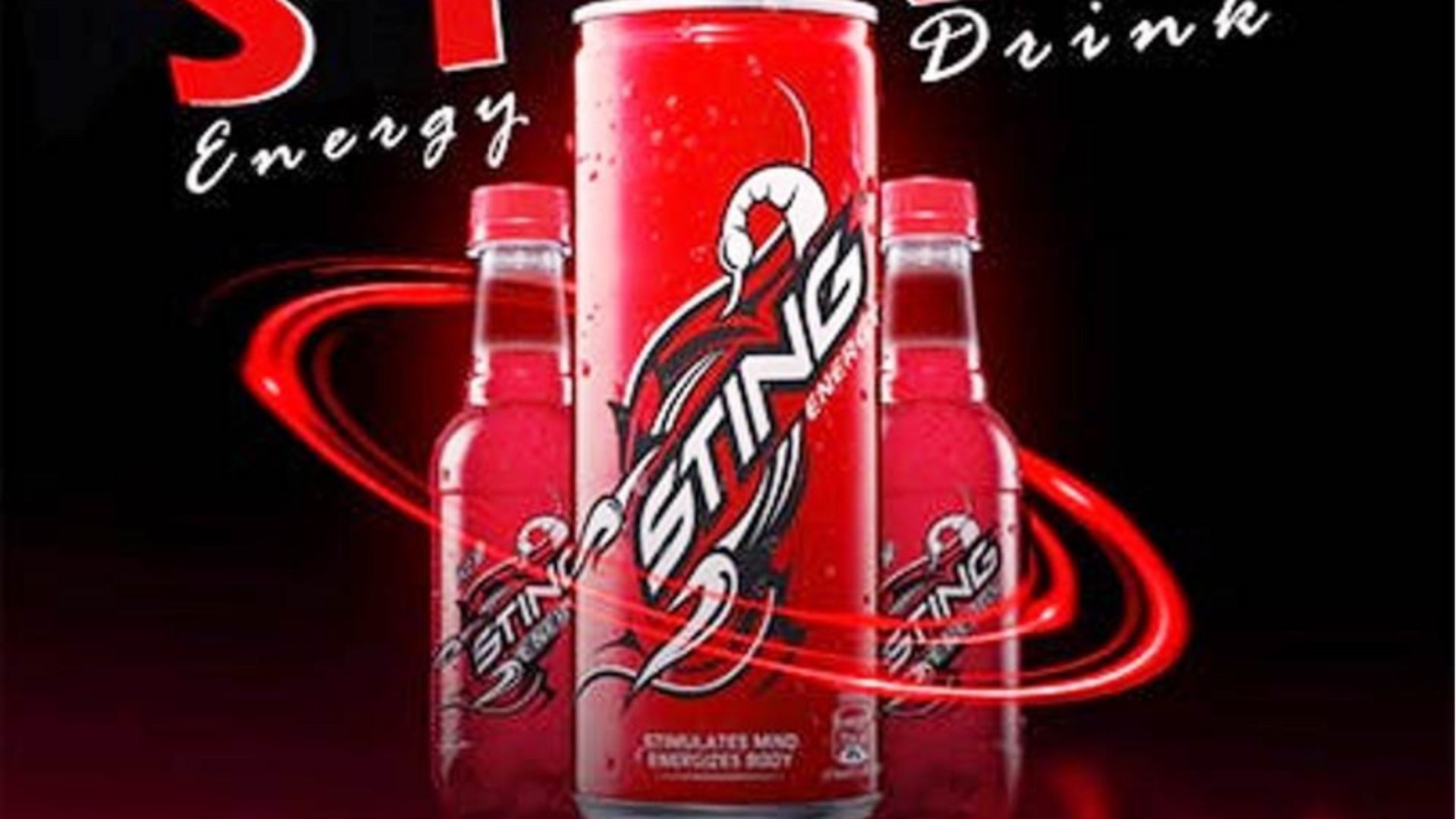
PepsiCo cannot label new bottles of Sting as 'energy drink'
What's the story
The Delhi High Court has refused to grant immediate relief to PepsiCo in its dispute over the labeling of new Sting stocks as "energy drinks." A division bench, headed by Acting Chief Justice Nitin Wasudeo Sambre, sent the matter back to a single judge for clarification within a week. The court observed that the previous order did not provide reasons for restricting further production of the product.
Regulatory dispute
PepsiCo allowed to sell existing stocks
On October 6, Justice Amit Mahajan had allowed PepsiCo to sell existing stocks with the "energy drink" label but prohibited the manufacture of new ones.
This decision was in line with directions from the Food Safety and Standards Authority of India (FSSAI).
The FSSAI had earlier issued notices to several beverage brands, including PepsiCo's Sting and Adrenaline Rush, for misbranding as "energy drinks."
Precedent set
Similar orders passed for Red Bull, Campa
The Delhi High Court had passed similar interim orders in favor of other players too.
On September 29, the court set aside a notice served to Red Bull over "energy drink" labeling, holding that the company should have been given an opportunity to respond before the regulator passed the order.
The court also noted that orders against Reliance Consumer's Campa energy drink were passed without issuing a show-cause notice to the company.
Regulatory position
FSSAI's stand on 'energized' drinks
The FSSAI has clarified that its food category system is not intended for product naming or labeling.
Claims such as "stimulates mind," "energizes body," "enhances focus," "boosts energy levels" and "aids in general weakness" were deemed impermissible unless legally supported.
PepsiCo had earlier argued that the food regulator's order would have "grave commercial consequences" due to existing stocks with those labels in circulation.
Market growth
Energy drinks market growing rapidly in India
India's energy drinks market is growing rapidly, with Euromonitor estimating retail sales to grow 12.6% annually. The market is expected to be worth $1.6 billion by 2028.
On June 30, the FSSAI directed makers of high-caffeine beverages sold as "energy drinks" to stop using the description within 90 days.
The directive classified these products as "caffeinated beverages" with specific caffeine content and labeling requirements.