Boeing can now self-certify its 737 MAX, 787 planes again
What's the story
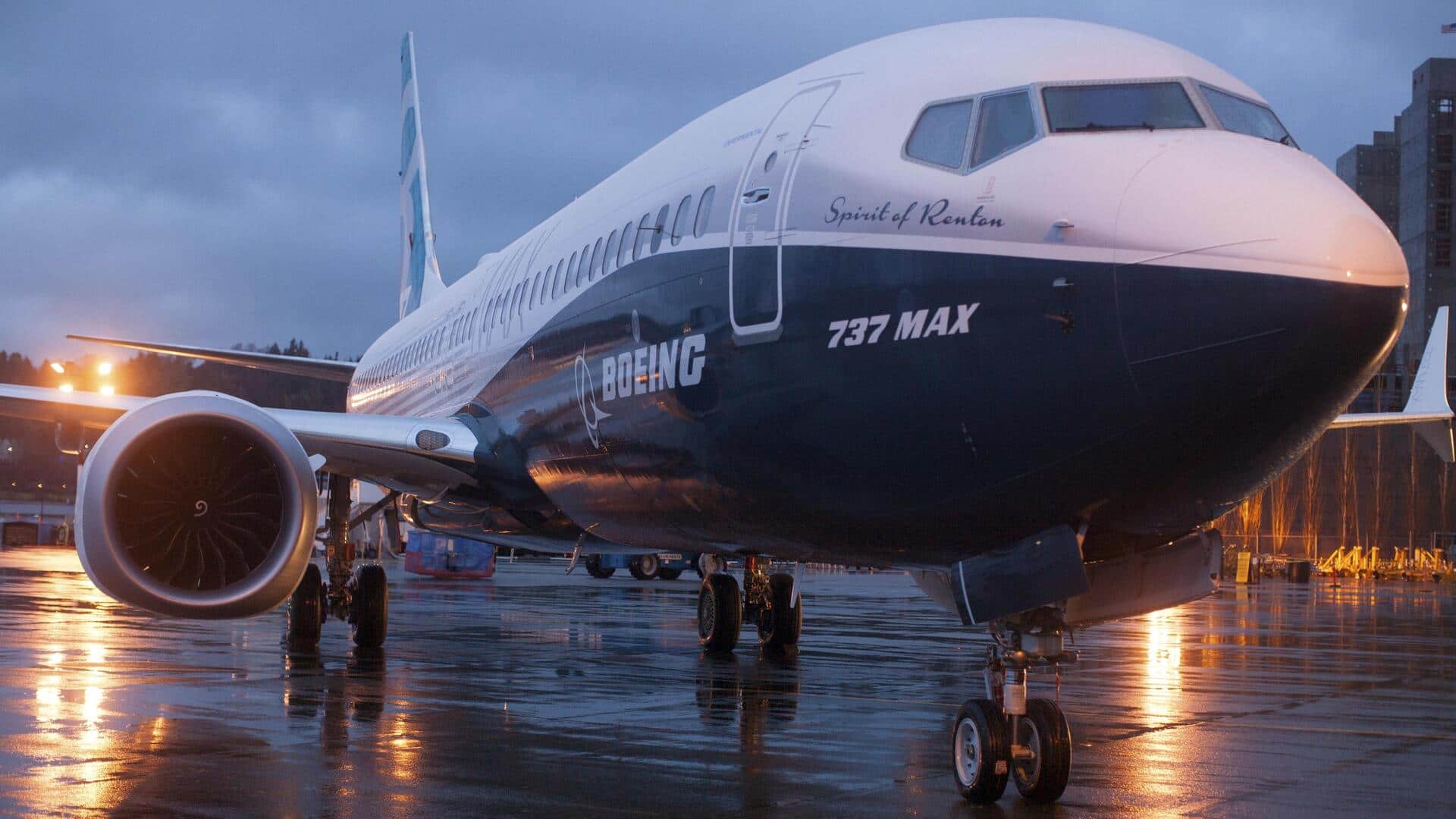
The US Federal Aviation Administration (FAA) has granted Boeing the authority to self-certify its entire fleet of 737 MAX and 787 aircraft. The decision comes after a thorough review process that lasted several months. The FAA determined that Boeing's final safety checks are now robust enough to guarantee the airworthiness of these planes.
Review process
Joint safety checks
Since September, Boeing and the FAA have been conducting weekly joint safety checks.
These inspections are mandatory before an aircraft can be approved for delivery and deemed safe to fly.
The FAA has noted that both Boeing's as well as government inspectors' findings have been consistent while issuing airworthiness certificates.
Regulatory history
Loss of self-certification rights
In 2019, after the second of two crashes linked to a new software system developed by Boeing for the 737 MAX, federal regulators took full control over its approvals.
The FAA also revoked Boeing's self-certification rights for the 787 Dreamliner planes in 2022 due to the persistent production quality issues.
Safety assurance
FAA's stance on self-certification
FAA Administrator Bryan Bedford emphasized the agency's confidence in Boeing's ability to self-certify its aircraft.
He said, "Safety drives everything we do, and this step forward is only possible because we are confident it can be done safely."
Despite granting this authority, government inspectors will continue to monitor Boeing's factories closely for potential defects earlier in the manufacturing process.
Production adjustments
Production limits relaxed
In the past year, the FAA has also relaxed monthly production limits on Boeing's 737 MAX jets.
The cap was initially imposed after a panel flew off an Alaska Airlines plane mid-flight in January 2024.
However, the limit has been gradually increased from 38 aircraft per month to 47 per month this summer.