Flock Safety to cut 18% of workforce amid surveillance backlash
What's the story
Flock Safety, a leading provider of AI-powered surveillance cameras and license-plate readers, is planning to lay off around 18% of its workforce, according to Reuters. The decision comes amid growing criticism from communities and lawmakers over its products. The layoffs will affect nearly 270 employees at the fast-growing surveillance technology start-up.
Employee exit
Layoffs to take place by end of this month
Flock Safety had previously announced a voluntary separation program in September, inviting employees who wished to leave the company.
The Atlanta-based firm, which was founded in 2017, employs around 1,500 people.
The upcoming layoffs are expected to take place by the end of this month. However, Flock Safety has not yet publicly confirmed these plans or commented on them.
Tech impact
Controversial technology and divided public opinion
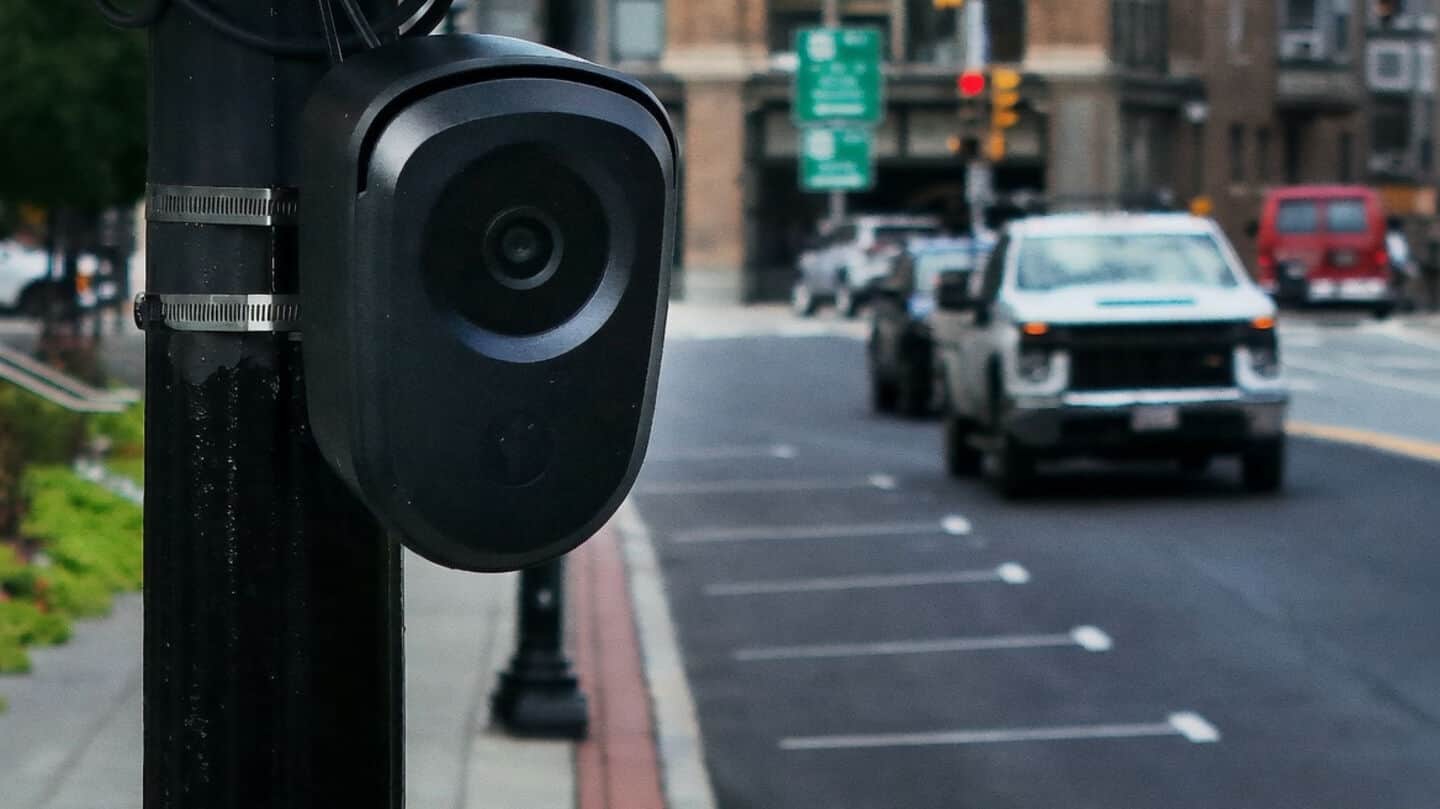
Flock Safety operates a network of some 120,000 AI-powered cameras across 49 states. These cameras automatically read license plates and record vehicles as they pass by.
However, despite attracting strong investor interest from venture capitalists, Flock Safety faces scrutiny from regulators, lawmakers, and privacy advocates.
A recent Reuters/Ipsos poll revealed that public opinion on the use of Flock cameras is divided, with 38% in favor and 47% against their use in communities.
Financial growth
Funding and expansion plans
Since its inception, Flock Safety has raised over $950 million from venture capital investors.
The latest round of funding was a $275 million investment led by Andreessen Horowitz (a16z) in March, which valued the company at $7.5 billion.
The funds have been used to establish a new manufacturing facility in the US and support an upcoming expansion into drone products.
Tech scrutiny
Criticism and legal challenges
Flock Safety provides cameras and software to over 4,800 law enforcement agencies and nearly 1,000 businesses. The company claims its technology aids in crime investigation and resolution.
However, it has also drawn criticism for alleged privacy violations and data-sharing practices.
Florida recently banned Flock's automated license plate readers from state highways due to privacy concerns related to its cameras.