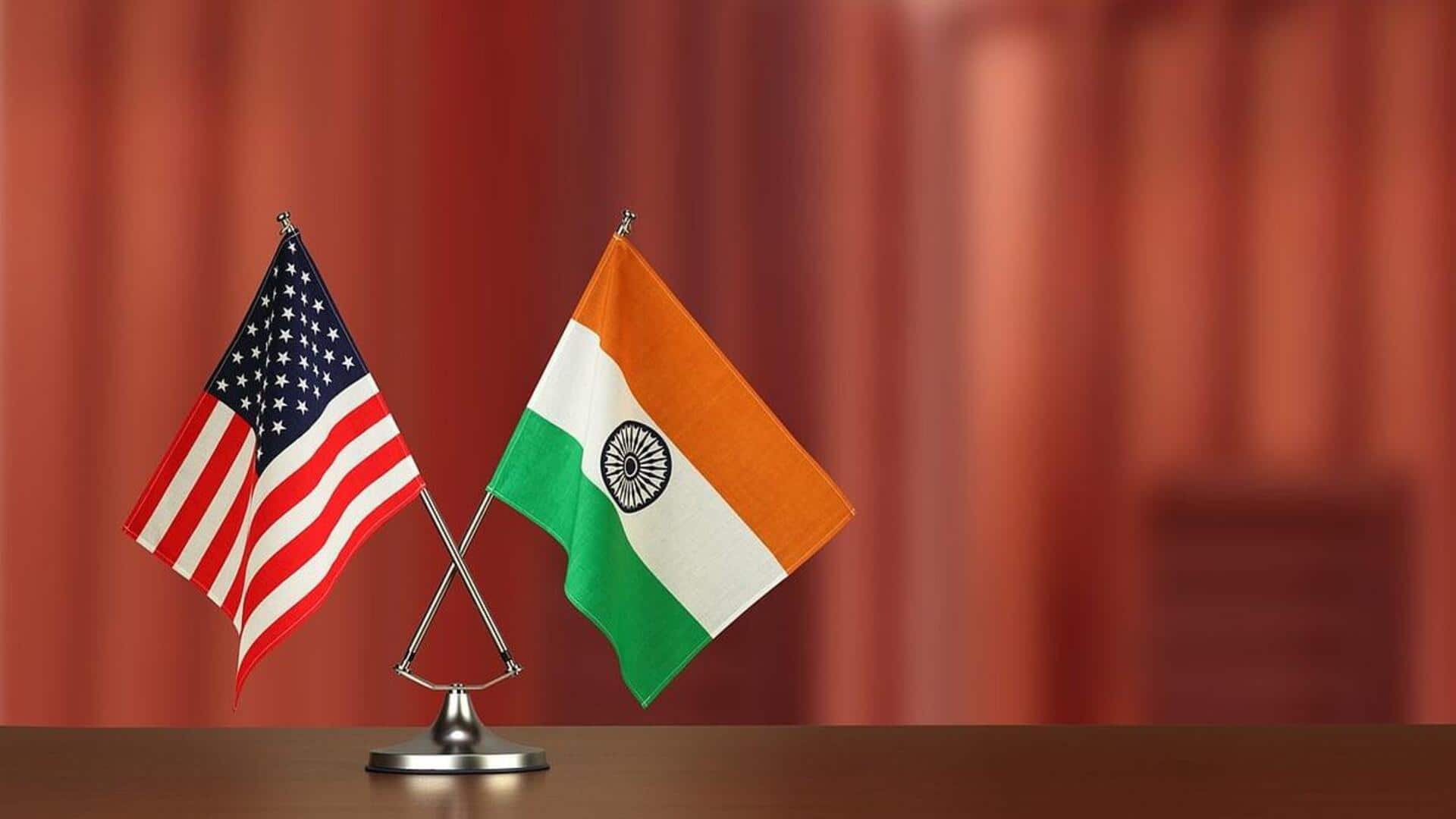
Why India's wine, spirits market has been opened to US
What's the story
India has opened its market for imported wines and spirits as part of an interim trade agreement with the United States. Commerce and Industry Minister Piyush Goyal confirmed this while stressing that several sensitive sectors remain fully protected under the new deal. The move is part of a broader trade agreement framework, which also aims to reduce tariffs on Indian goods to 18%.
Trade restrictions
Other products that remain protected under new trade deal
Goyal clarified that the new trade deal doesn't ease duties or restrictions on a range of other products.
He specifically mentioned groundnut, honey, malt, non-alcoholic beverages, essential oils and ethanol and tobacco as items not included in the concessions.
This is to ensure that while some sectors are opened up for international trade, others remain protected from foreign competition.
Tariff reduction
Interim trade agreement framework proposed by India and US
The joint statement issued by India and the US today, announced an interim trade agreement framework.
Under this proposed framework, India has agreed to eliminate or reduce duties on all US industrial goods and a wide range of American agricultural and food products.
These include dried distillers' grains, red sorghum for animal feed, tree nuts, the fresh and processed fruits, soybean oil as well as wine and spirits.
Protection measures
Sensitive sectors remain protected
Despite the tariff reductions, Goyal emphasized that sensitive sectors have been clearly defined and remain protected.
He said no duty concessions have been given on maize, wheat, rice, soya, poultry, milk, cheese, ethanol (fuel), tobacco, certain vegetables, and meat.
This is to ensure that India's farmers' interests are safeguarded while still allowing for some degree of international trade.
Future plans
Tariffs on other items to fall to 0 eventually
The joint statement also said that if the interim pact is successfully concluded, tariffs will eventually fall to zero on a wide range of items.
These include generic pharmaceuticals, gems and diamonds, and aircraft parts.
This move is expected to enhance India's export competitiveness and support the Make in India program.
Both sides have committed to expedite the implementation of this framework and finalize an interim agreement for a mutually beneficial bilateral trade deal.