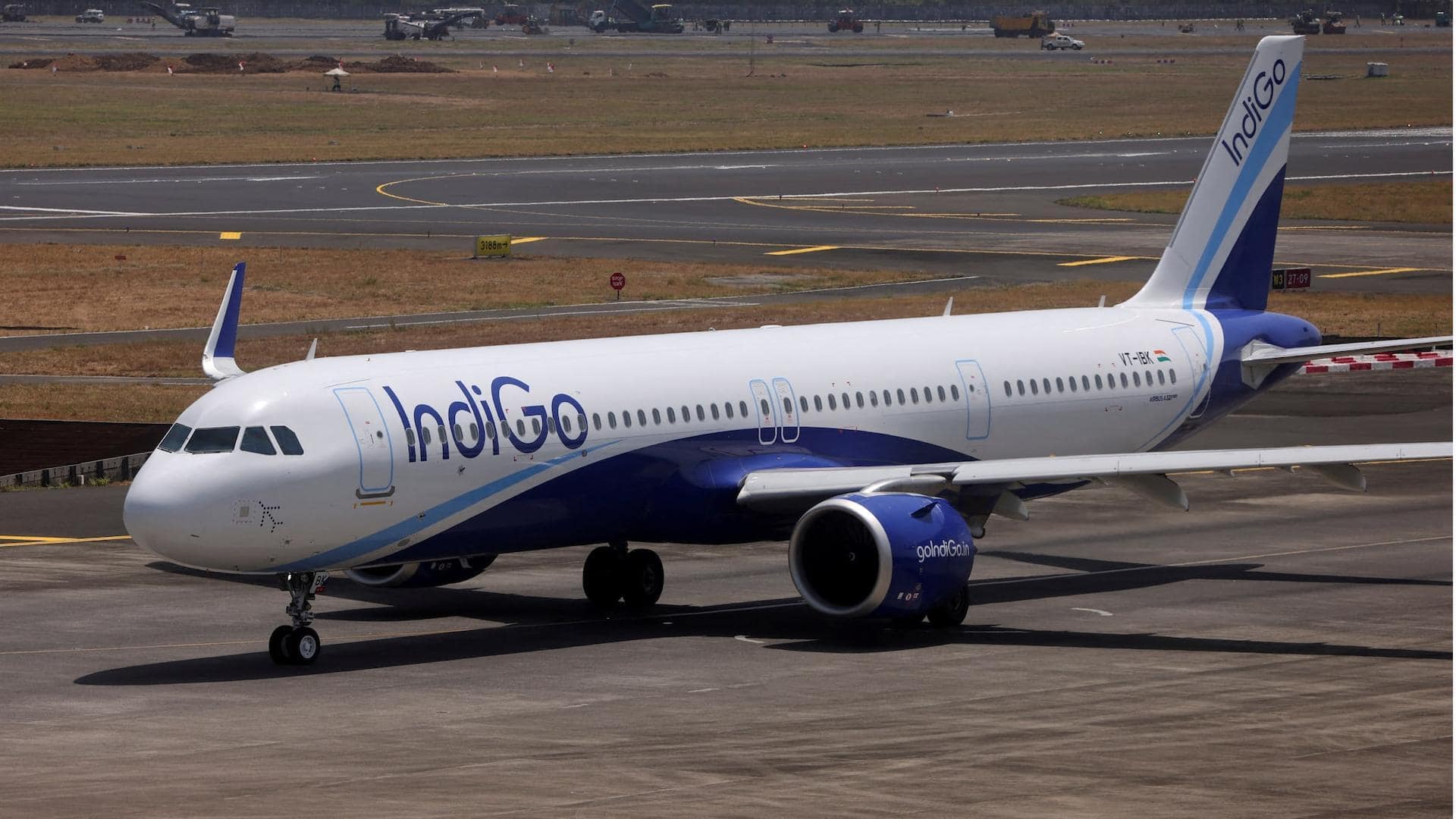
Why IndiGo plans to speed up its pilot training
What's the story
IndiGo has decided to expedite its pilot training program. The move comes as the airline faces heightened regulatory scrutiny after a spate of mass flight cancellations earlier this month. The decision is part of IndiGo's efforts to enhance pilot availability and address operational challenges. Last year, IndiGo used to upgrade 35-40 first officers to captains every month. However, this process has slowed down significantly this year, with only 10-12 upgrades per month.
Training slowdown
IndiGo's pilot upgrade process slowed down
The slowdown is attributed to the continued grounding of its aircraft and cost-saving measures. Despite receiving a temporary waiver in flight duty time norms, IndiGo has been asked to submit fortnightly reports on crew utilization and steps taken to enhance their availability.
Future strategy
Plan to resume captain upgrades
IndiGo is now gearing up to resume its monthly upgrade of 35-40 first officers to captains from January next year.
The selection for command upgrade training is done through an interview process and a check of the candidate's training record.
The training includes ground classes, simulator sessions, and supervised flights under examiners' supervision.
Pilot demand
Pilot requirements and current status
According to the Directorate General of Civil Aviation, IndiGo needed 2,422 captains and 2,153 first officers for its operations by November 25.
The data shows that the airline is short of 65 captains but is expected to have a total of 2,357 by December 25.
Despite this gap, IndiGo officials maintain there is no pilot shortage in their ranks.
Retention issues
Concerns over IndiGo's pilot retention policies
Some pilots have raised concerns over IndiGo's contract conditions, which they say are forcing many first officers to refuse upgrades.
The airline requires new captains to work at a different base for 18-24 months and has a training bond of ₹20-30 lakh.
These restrictive conditions have reportedly led many pilots to join airlines in West Asia instead.