Why Japan has suspended Indian mango imports
What's the story
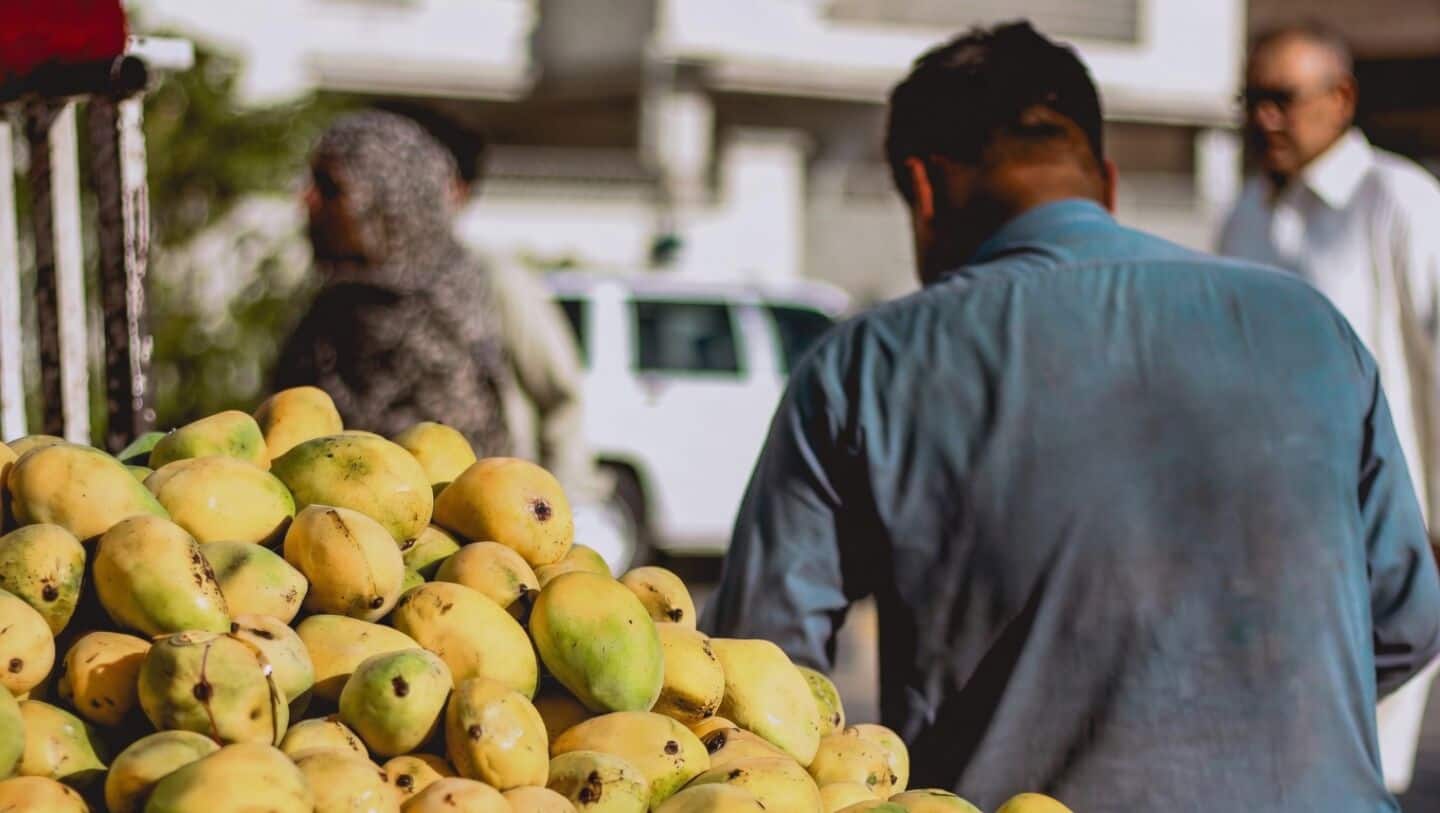
Japan has suspended the import of Indian mangoes for the 2026 season, following an inspection in March. The inspection revealed deficiencies in fumigation and disinfection measures at Indian treatment facilities. The suspension affects all major export varieties including Alphonso, Kesar, Langra, and Banganapalli. It comes during the peak export period from April to June.
Suspension details
What the Japanese notice said
The Yokohama Plant Protection Association, a public-interest body supporting Japan's plant quarantine operations, issued a formal notice on March 31, 2026.
The notice said that mango shipments with inspection certificates from India dated March 25, 2026 or later would not be accepted.
It added that imports from Indian facilities would remain suspended until Japanese authorities were satisfied with improvements in operational standards.
Inspection protocol
Inspection protocols for mango exports to Japan
Every year, before India's mango season, Japan sends quarantine officers to inspect the Vapour Heat Treatment (VHT) facilities that Indian exporters must use before shipping to Japan.
The VHT is a non-chemical quarantine process where mangoes are exposed to hot humid air conditions to kill fruit flies and other pests.
This year, the inspection took place at a facility in Rehmanpur, Uttar Pradesh, in March.
Inspection findings
Two-decade-long trade corridor suspended again
During the March inspection, Japanese inspectors found deficiencies in fumigation protocols and related disinfection measures at the Rehmanpur facility.
However, neither the Japanese nor Indian authorities have publicly disclosed the specific technical details of what was found deficient.
This year's suspension comes after a two-decade-long trade corridor that resumed in 2006 after Japan lifted a ban imposed in 1986 over suspected fruit fly infestations.
Trade conditions
Protocol for VHT process and permitted varieties
Under the bilateral protocol, Japan mandates all Indian mangoes destined for its market to undergo VHT at approved facilities in Andhra Pradesh, Gujarat, Maharashtra, Uttar Pradesh, and West Bengal.
Only six varieties are allowed: Alphonso, Kesar, Banganapalli, Langra, Chausa, and Malika.
Japanese inspectors are required to supervise the VHT process each season before shipments begin.
Market impact
Premium market for Indian exporters
Japan isn't India's biggest mango market. However, it is a premium destination with strict agricultural import regimes.
Exporters who ship to Japan specifically get premium prices compared to bulk commodity markets.
In FY2024-25, India exported some 29,938 metric tons of fresh mangoes worth $56.50 million globally.
Exports of fresh and processed mango products to Japan were worth $1.54 million in 2025-26, with Gujarat's Kesar variety accounting for the largest portion of shipments to that market.