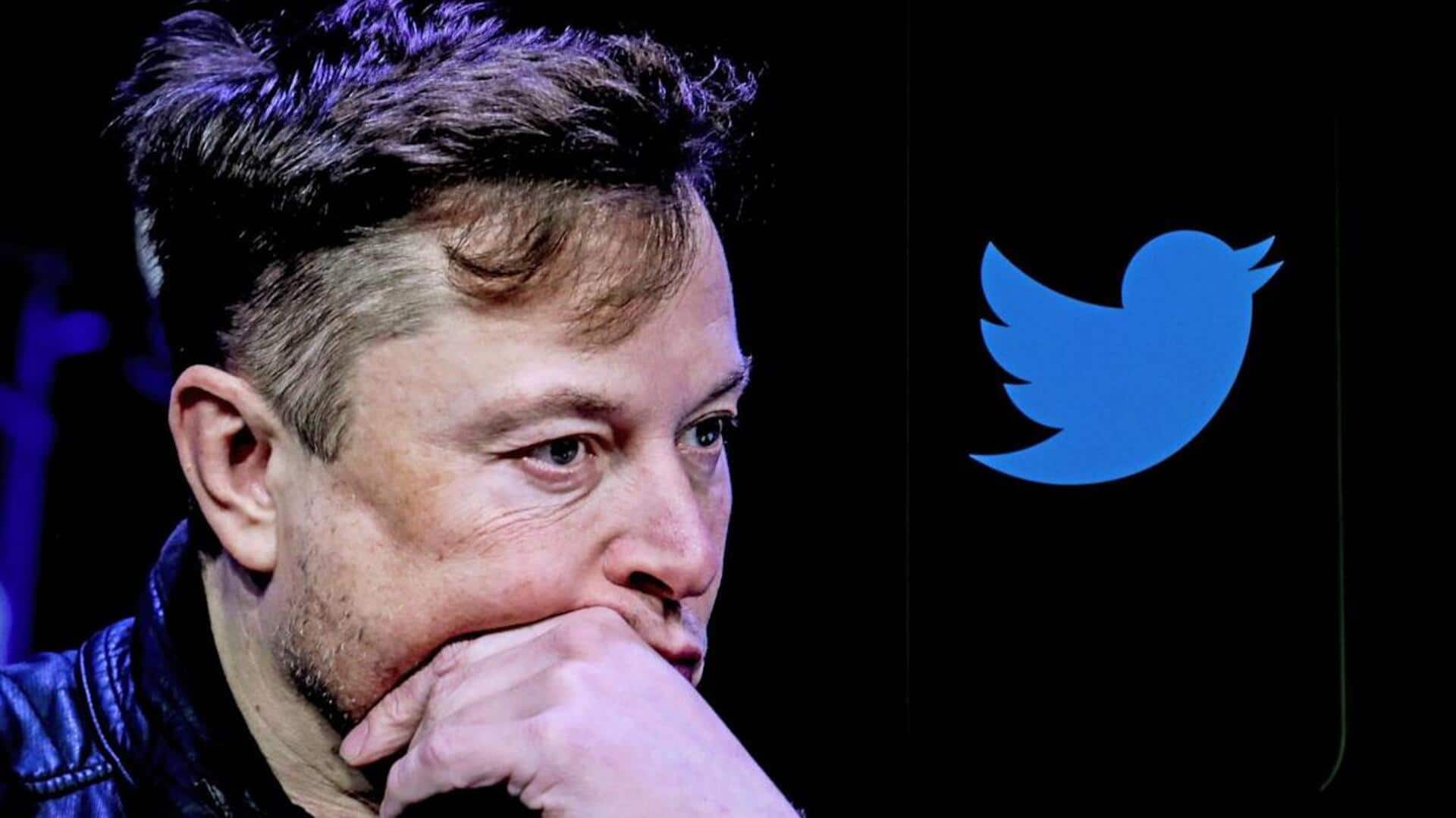
Musk found liable for misleading investors in Twitter deal
What's the story
A San Francisco jury has found Elon Musk liable for misleading investors while intentionally lowering Twitter's stock price before his $44 billion acquisition in 2022. The civil trial revolved around a class-action lawsuit filed just before Musk took over Twitter (now known as X). The jurors were asked to determine if two tweets and comments made by Musk on a podcast in May 2022 constituted intentional fraud against Twitter shareholders who sold their shares based on his statements.
Verdict details
Jury took 3 days to deliberate before reaching a verdict
The nine-person jury took three days to deliberate before reaching verdict, nearly three weeks after the trial began on March 2.
They found Musk liable for misleading investors with two tweets, including one that said the Twitter deal was "temporarily on hold."
However, they cleared him over comments made on a podcast and found no intentional scheme to defraud.
As this is a class action case, it remains unclear how much Musk will have to pay in damages to shareholders.
Bot controversy
Trial revolved around Musk's claims about number of bots
The trial largely centered on Musk's claims about the number of bots on Twitter.
He testified that the platform had far more fake and spam accounts than the 5% it disclosed in regulatory filings.
This misrepresentation, according to Musk, was a reason for his decision to back out of the purchase.
After trying to withdraw, Twitter sued him in Delaware court to honor his original deal.
Defense strategy
Musk's defense claimed Twitter leadership lied about number of bots
In his defense, Musk claimed that Twitter's leadership lied about the number of bots on its platform and withheld information from him about how the number of fake accounts was calculated.
He also said that his decision to go through with the deal at the original sales price was a huge windfall for most Twitter shareholders.
However, during this period, Twitter's shares fell below $33 or nearly 40% below Musk's original purchase price.