UK may impose tariffs on Chinese EVs amid EU pressure
What's the story
The United Kingdom is considering imposing tariffs on Chinese electric vehicles (EVs) as it struggles to balance the interests of its domestic car industry and access to the European Union (EU) market. Business Secretary Jonathan Reynolds is working on a range of potential tariffs, The Times reported citing senior government sources. This comes amid concerns that Chinese manufacturers are selling state-subsidized cars in Britain.
Tariff details
Proposed tariffs in line with EU duties
The proposed tariffs could be as high as 45%, which is in line with the duties imposed by the EU on Chinese electric cars.
However, a government spokesperson told Reuters that no such tariffs have been imposed on Chinese EVs yet.
"We continue to engage closely with industry so that our approach reflects the sector's and UK's national interests," the spokesperson added.
Market dynamics
US and EU have imposed tariffs on Chinese vehicles
The UK is one of the few major Western markets that have not imposed additional tariffs on Chinese vehicles.
The US has largely kept Chinese EVs out with high tariffs, while the EU has imposed duties of up to 45%.
Now, Brussels is pushing Britain to align more closely with its trade policy.
Trade concerns
EU rules could threaten British exports
EU officials have warned that not imposing tariffs on Chinese vehicles could expose British exports to proposed "Made in Europe" rules.
These rules would favor goods produced within the EU in areas like subsidies, tax incentives, and public procurement.
The Society of Motor Manufacturers and Traders has warned these proposed EU rules could pose a major threat to British car production.
Market competition
Tariffs could directly affect British consumers
Chinese manufacturers are rapidly expanding their footprint in Britain.
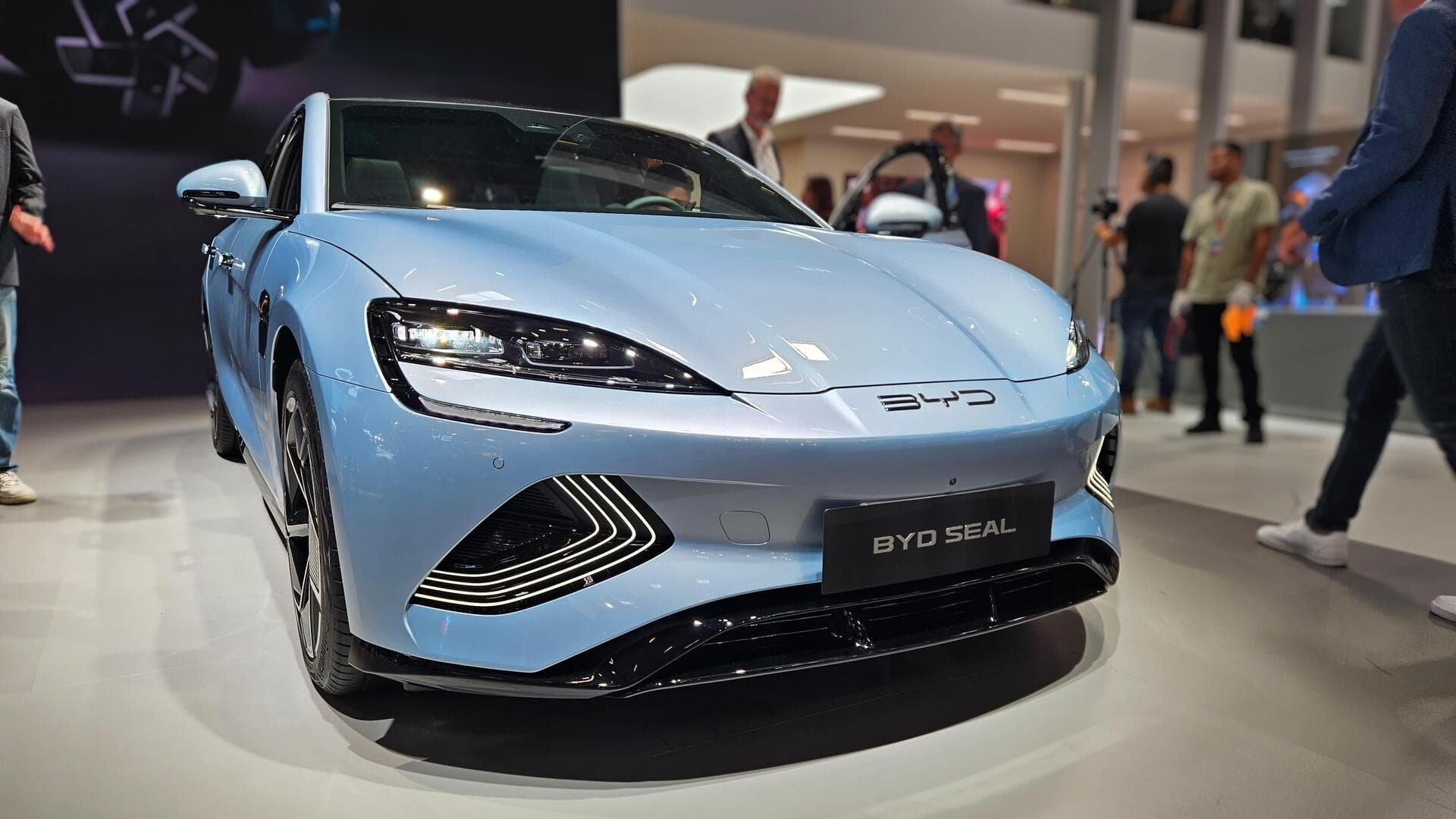
BYD, Omoda, and Jaecoo have more than tripled their combined share of the UK new-car market to 12% in the first eight months of 2026.
This growing competition has also benefited consumers with lower prices, AutoTrader commercial director Ian Plummer said.
However, tariffs could directly affect British consumers by making some Chinese models costlier.
Investment prospects
Chinese manufacturers eye investment in UK automotive industry
Chinese manufacturers are also looking to invest in Britain's automotive industry.
Chery, which owns the Omoda and Jaecoo brands, has been in talks to produce vehicles at Nissan's Sunderland plant.
However, Victor Zhang, Chery's deputy UK chief, said tariffs wouldn't change their investment plans.
"Tariffs can come and go, but we won't change our ongoing investment in the UK," he said.