US might co-produce missiles with European allies
What's the story
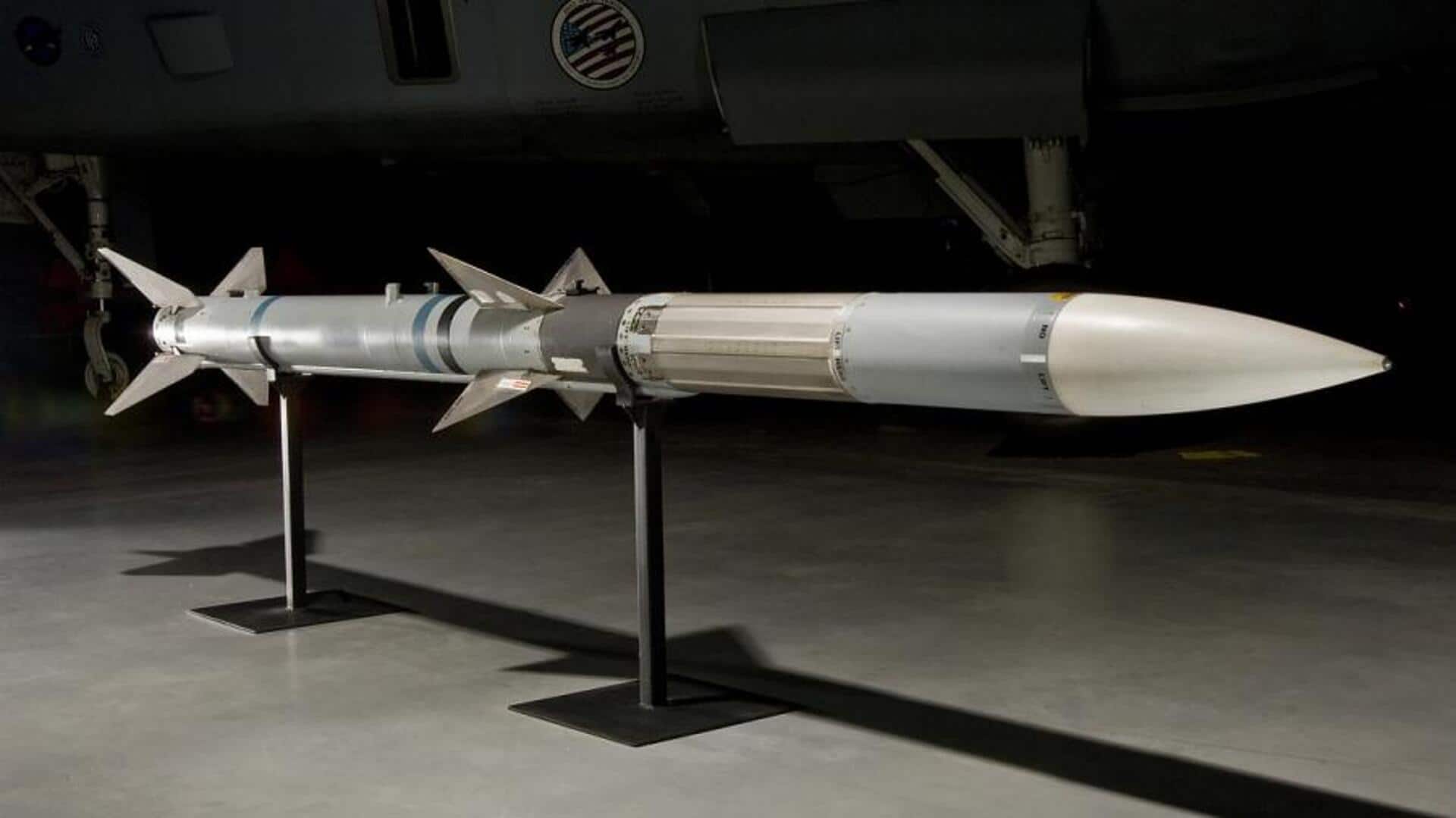
The United States is in talks with Germany and other European nations to co-produce missiles, as per Reuters. The proposed projects include the production of Raytheon's AIM-120 AMRAAM missiles and a maintenance facility for Lockheed's PAC-3 Patriot missiles in Europe. The move comes as part of efforts to boost the production capacity of American defense giants amid high demand for these weapons due to the ongoing conflict in Ukraine.
Production boost
Co-production projects could ease pressure on defense giants
If the co-production projects are realized, they could ease pressure on Raytheon and Lockheed Martin factories in the US.
This would allow these defense giants to increase their production capacity at home.
The countries involved in the discussions are expected to sign a statement of intent at a NATO Industry Forum during the military alliance's Ankara summit later today.
Market need
Missiles in high demand due to Ukraine conflict
The PAC-3 missiles for Patriot air defense units and AIM-120C-8 missiles, which can be launched by NASAMS air defense systems and F-16 fighter jets, are in high demand.
This is especially true in Ukraine, where Kyiv has been defending against Russian attacks since Moscow's full-scale invasion in 2022.
The talks between the US and European nations come as part of a broader strategy to meet this growing demand.
Policy shift
Trump urges European allies to increase defense spending
US President Donald Trump has often criticized European allies for their dependence on the US for security.
He has urged them to increase their defense spending and purchase more American equipment.
In mid-June, Trump invoked the Defense Production Act to address constraints in weapons supply and development for munitions production and supply chains.
This move came amid concerns over US weapons manufacturers' ability to meet demand, given that both the Iran war and Ukraine conflict have depleted US arms stocks.