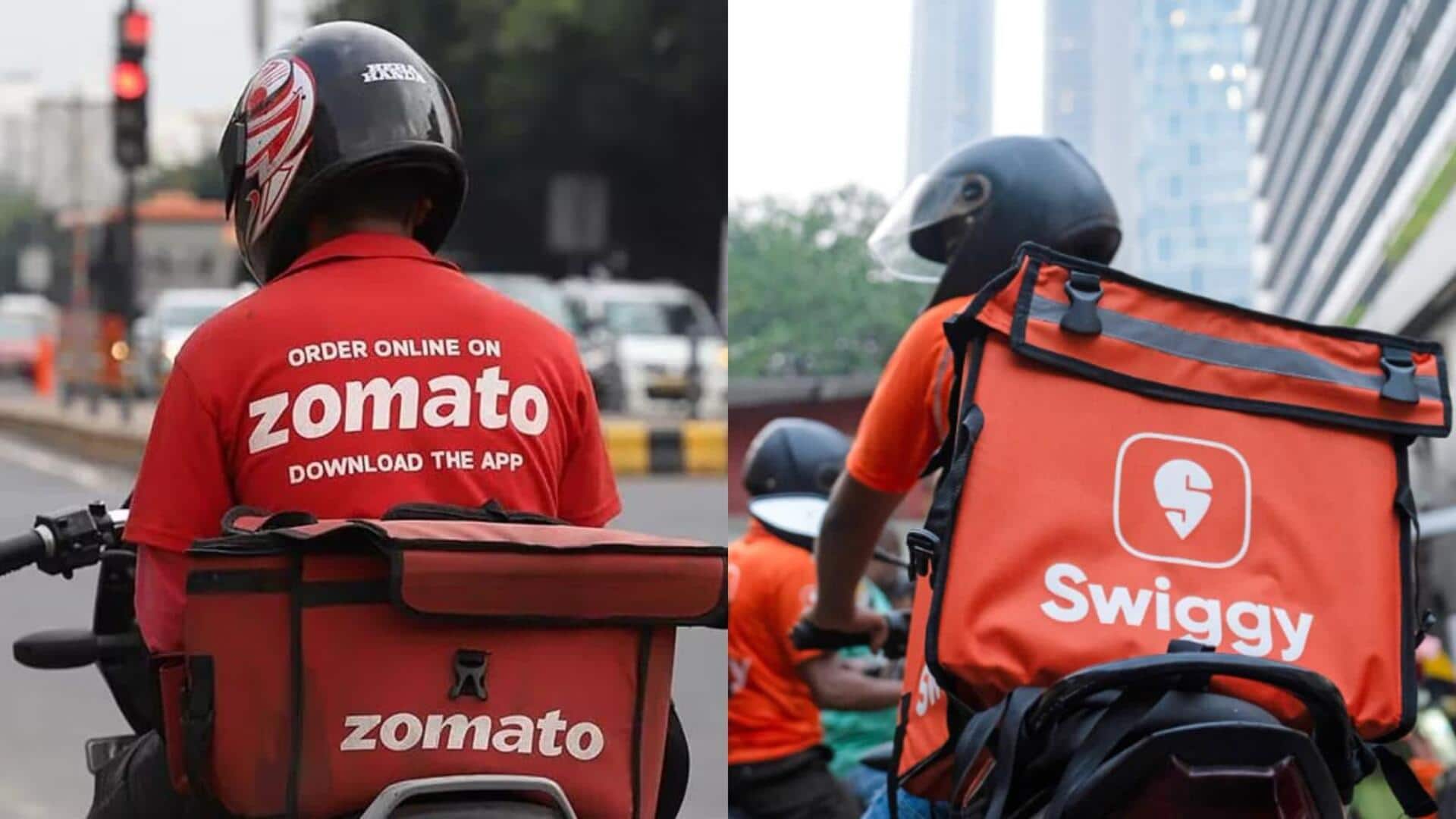
Budget 2026: Restaurants seek tax relief amid rising operational costs
What's the story
As the Union Budget 2026 nears, the food delivery sector is feeling the pinch of rising costs at the restaurant level. Industry stakeholders have warned that recent tax changes and increasing operational expenses are squeezing margins, and limiting pricing flexibility on delivery platforms. The National Restaurant Association of India (NRAI) has flagged these issues as major concerns for restaurants relying heavily on food delivery services.
Tax concerns
NRAI calls for review of GST framework
NRAI has urged the government to reconsider Notification No. 09/2024 on the reverse charge mechanism under the Goods and Services Tax (GST) for commercial leases.
The association's president Sagar Daryani said these changes have raised costs for smaller restaurants and micro, small and medium enterprises.
He also urged reinstating the Service Exports from India Scheme (SEIS), the targeted subsidies on essential inputs, improved access to debt financing, and also formal industry status to support growth in this sector.
Platform impact
Food delivery platforms respond to GST changes
Food delivery platforms Swiggy and Eternal have not yet commented on their Budget expectations.
However, Eternal's CFO Akshant Goyal had earlier said that an 18% GST is now applicable on the delivery charge paid by customers for food orders.
This tax has been passed onto consumers, resulting in a "slight negative impact on the growth of the business," he added.
Cost pressures
Rising costs challenge restaurant profitability
Restaurant operators have said tax-related pressures are only adding to the existing challenges of rising rentals, ingredient prices, the energy costs, and regulatory compliance expenses.
This leaves little room for them to absorb platform fees or sustain discounts without hurting their bottom line.
Jigar Sanghvi, the CEO of premium dining brand Epitome, said the Budget is an opportunity to address structural challenges that increasingly shape delivery economics.
Tax impact
Operators highlight tax burden on food delivery platforms
Operators across different restaurant formats have said the cumulative tax burden is now being felt at the order level, affecting the menu pricing and margins on food delivery platforms.
Vicky Bachani, the co-founder of restaurant brand Jugnu, said rising input and supply chain costs have increased pressure on margins.
He stressed that rationalized taxation and policy stability are critical for restaurants to plan pricing and expansion more predictably across delivery channels.
Policy demands
NRAI reiterates demand for industry status
The NRAI has reiterated its long-standing demand for industry status and a dedicated food services ministry. They argue that the sector's scale, intensity of employment, and close integration with food delivery platforms warrant focused policymaking.