ITR-6 Excel utility for AY 2026-27 released: Who should file?
What's the story
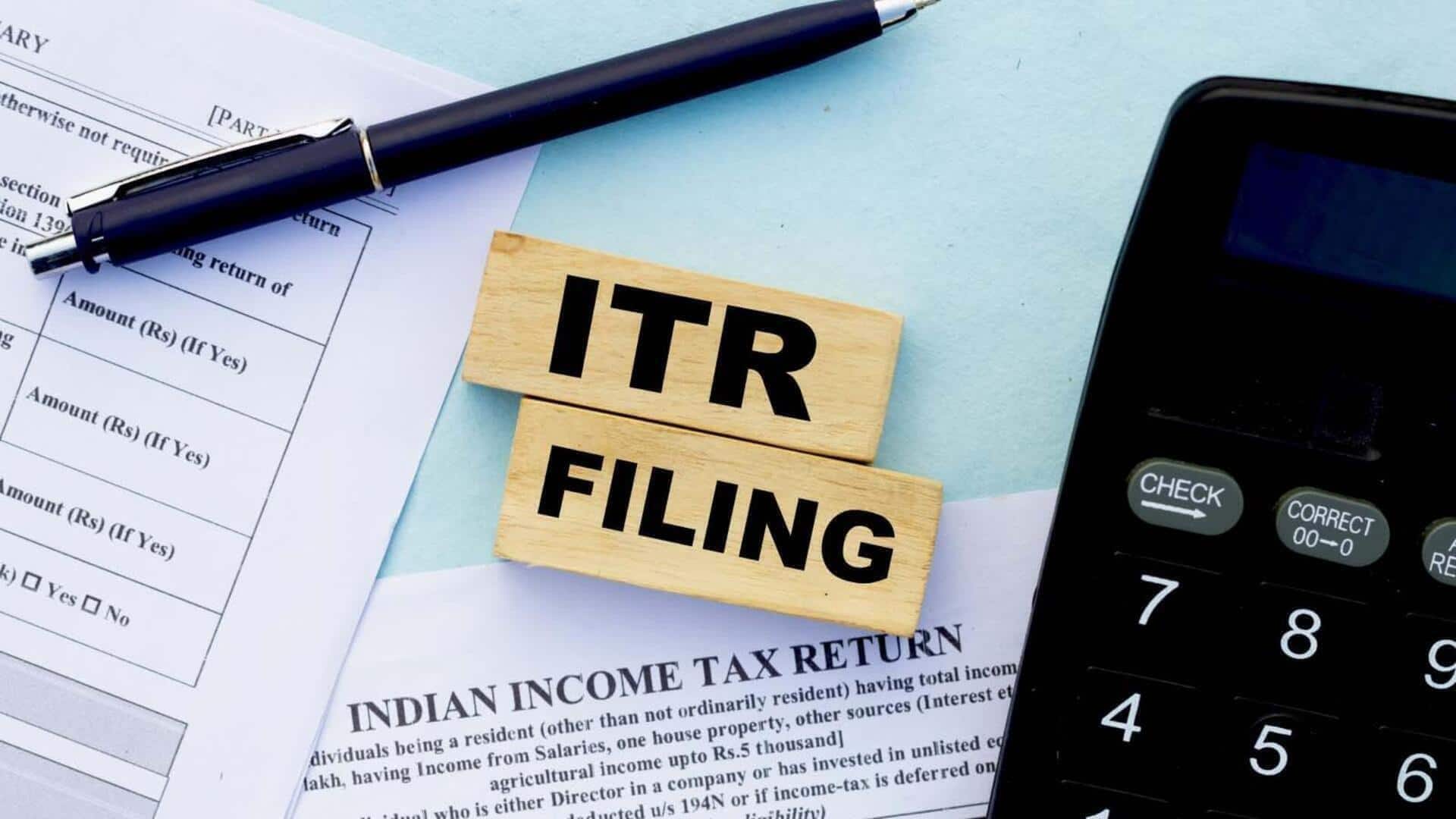
The Income Tax Department has launched the Excel utility of ITR-6 for Assessment Year (AY) 2026-27. The form is specifically designed for companies that do not claim exemption under Section 11 of the Income-Tax Act. Unlike individual taxpayers, companies filing ITR-6 have different return filing deadlines based on their compliance requirements, such as whether their accounts are audited or if transfer pricing provisions apply.
Eligibility criteria
Who should file ITR-6?
ITR-6 is applicable to companies registered under the Companies Act and not claiming exemption under Section 11 of the Income-Tax Act.
This includes most private and public companies, as well as other corporate entities that don't fall into the charitable or religious exemption category.
Companies whose income is exempt under Section 11, mainly those holding income from property for charitable or religious purposes, do not use ITR-6.
Distinct features
What are the key features of ITR-6?
ITR-6 requires detailed disclosures related to the company's financial statements and tax position.
It captures information such as the company's balance sheet, profit and loss account, tax audit details, share capital details, and other corporate disclosures.
Unlike individual return forms like ITR-1 or ITR-2 meant for salaried individuals or professionals, companies filing ITR-6 must provide information reflecting their corporate structure, financial performance, and compliance requirements.
Filing deadlines
What is the deadline to file ITR-6?
The deadline for filing ITR-6 depends on whether the company is required to get its accounts audited.
Companies subject to transfer pricing audit (Form 3CEB) need to file their returns by November 30, 2026.
The same deadline applies if a company is a partner in a firm where transfer pricing audit requirements are applicable.
For other cases, the due date for filing ITR-6 is October 31, 2026.
Consequences
Late filing may attract penalties
Companies filing their income tax return after the due date may have to pay a late filing fee under Section 234F of the Income-Tax Act.
Delayed filing can also affect the ability to carry forward certain losses, depending on the nature of loss and applicable provisions.
Companies that require tax audit should ensure that audit report is submitted within the prescribed timeline before filing return.