Taylor Swift files trademarks for voice, image amid AI concerns
What's the story
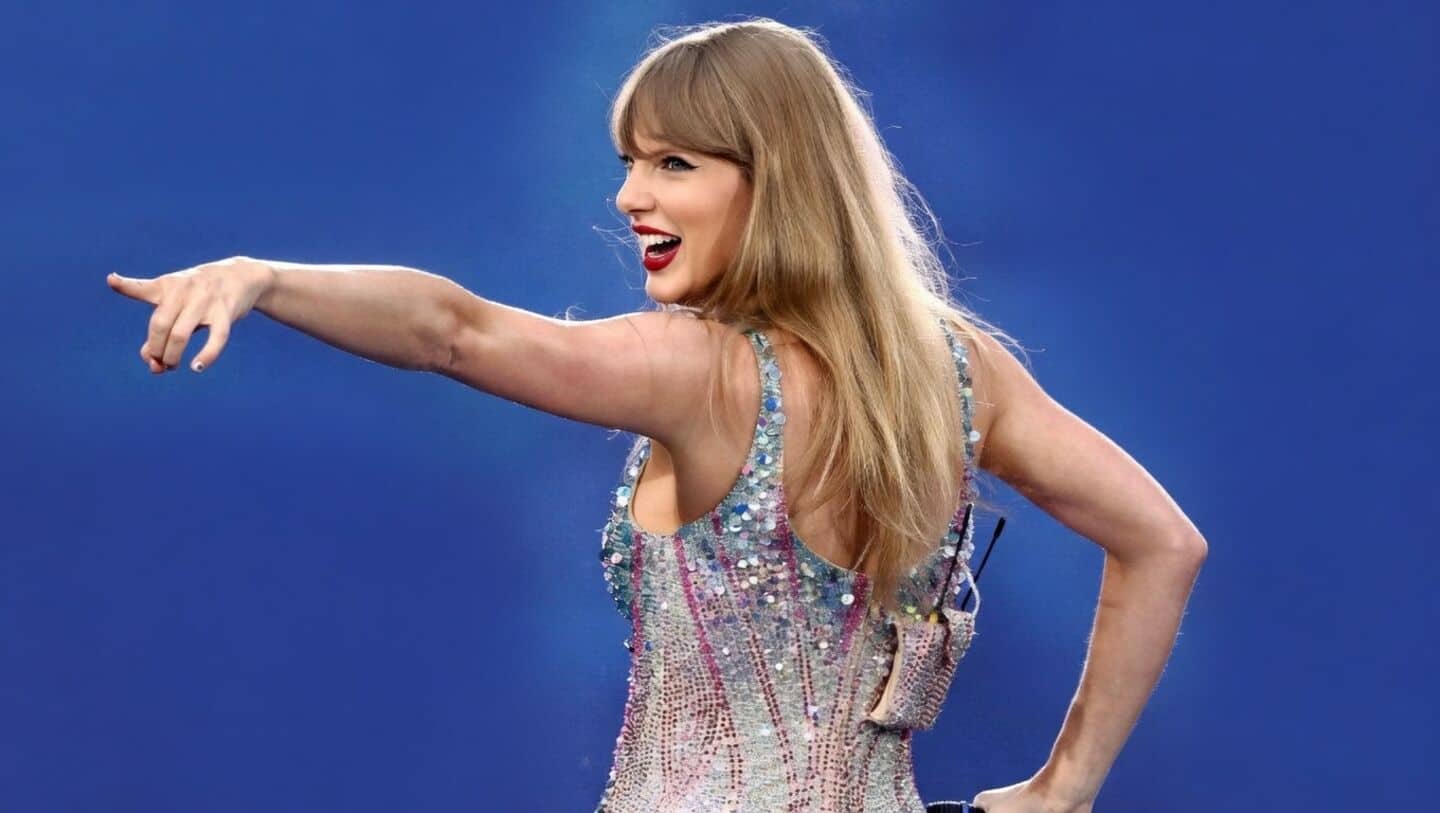
In a groundbreaking move, pop icon Taylor Swift has reportedly filed for three trademarks with the US Patent and Trademark Office (USPTO). The filings, made by her company TAS Rights Management, include sound trademarks for her voice saying "Hey, it's Taylor Swift" and "Hey, it's Taylor." A visual trademark featuring the singer holding a pink guitar on a pink stage is also part of the application.
Industry implications
Swift's filings reflect growing industry apprehensions about AI risks
The trademark applications were discovered by intellectual property attorney Josh Gerben of Gerben IP.
He noted that Swift's filings indicate a rising concern among entertainment industry professionals about the potential risks posed by artificial intelligence (AI) in misappropriating artists' voices and likenesses without their consent.
This move follows actor Matthew McConaughey's similar legal strategy to protect his identity from AI misuse.
Past incidents
Swift's likeness has been exploited in various AI-generated fakes
Swift's likeness has been exploited in various AI-generated fakes, including Meta's AI chatbots and pornographic images across the internet.
Additionally, during the 2024 US presidential election campaign, Donald Trump shared AI-generated images of Swift that falsely claimed she had endorsed him.
These incidents highlight the urgent need for legal protection against unauthorized use of an artist's voice and likeness.
Legal precedent
More on McConaughey's trademark strategy
Swift's trademark filings come after McConaughey's legal team successfully secured similar trademarks in 2025.
These include a sound mark on audio of him saying "Alright, alright, alright!" from the 1993 comedy film Dazed and Confused.
The lawyers behind the actor's "trademark yourself" strategy believe it gives them an additional legal trump card in their stack if they were to challenge an AI-generated replica that tried to capitalize on the actor's image and likeness without permission.
Legal strategy
How will trademarking voice, likeness help against AI misuse
Traditionally, trademarks do not protect an individual's likeness, voice, or persona.
Gerben explained how Swift's trademark strategy could be used to defend her name, image, and likeness rights in case of an AI-generated replica using her voice.
"Theoretically, if a lawsuit were to be filed over an AI using Swift's voice, she could claim that any use of her voice that sounds like the registered trademark violates her trademark rights."
Ongoing case
Lawsuit from performer Maren Wade over trademark infringement
In addition to her recent trademark filings, Swift is also facing a lawsuit from Las Vegas performer Maren Wade.
Wade alleges that Swift's 2025 album The Life of a Showgirl infringed on her decade-old trademark for Confessions of a Showgirl.
The USPTO had previously rejected Swift's application for a trademark on Life of a Showgirl covering "musical performances and live entertainment services," citing potential confusion with Wade's pre-existing trademark.