Nearly 50% aircraft had recurring technical defects: Parliamentary panel
What's the story
A parliamentary panel has raised serious safety concerns in India's civil aviation sector. The Standing Committee on Civil Aviation's latest report found that nearly 50% of the commercial aircraft audited between January 2025 and February 2026 had recurring technical defects. Out of 754 aircraft inspected between January 2025 and February 2026, a staggering 377 showed repeated issues.
Defect concentration
Air India, Air India Express worst hit
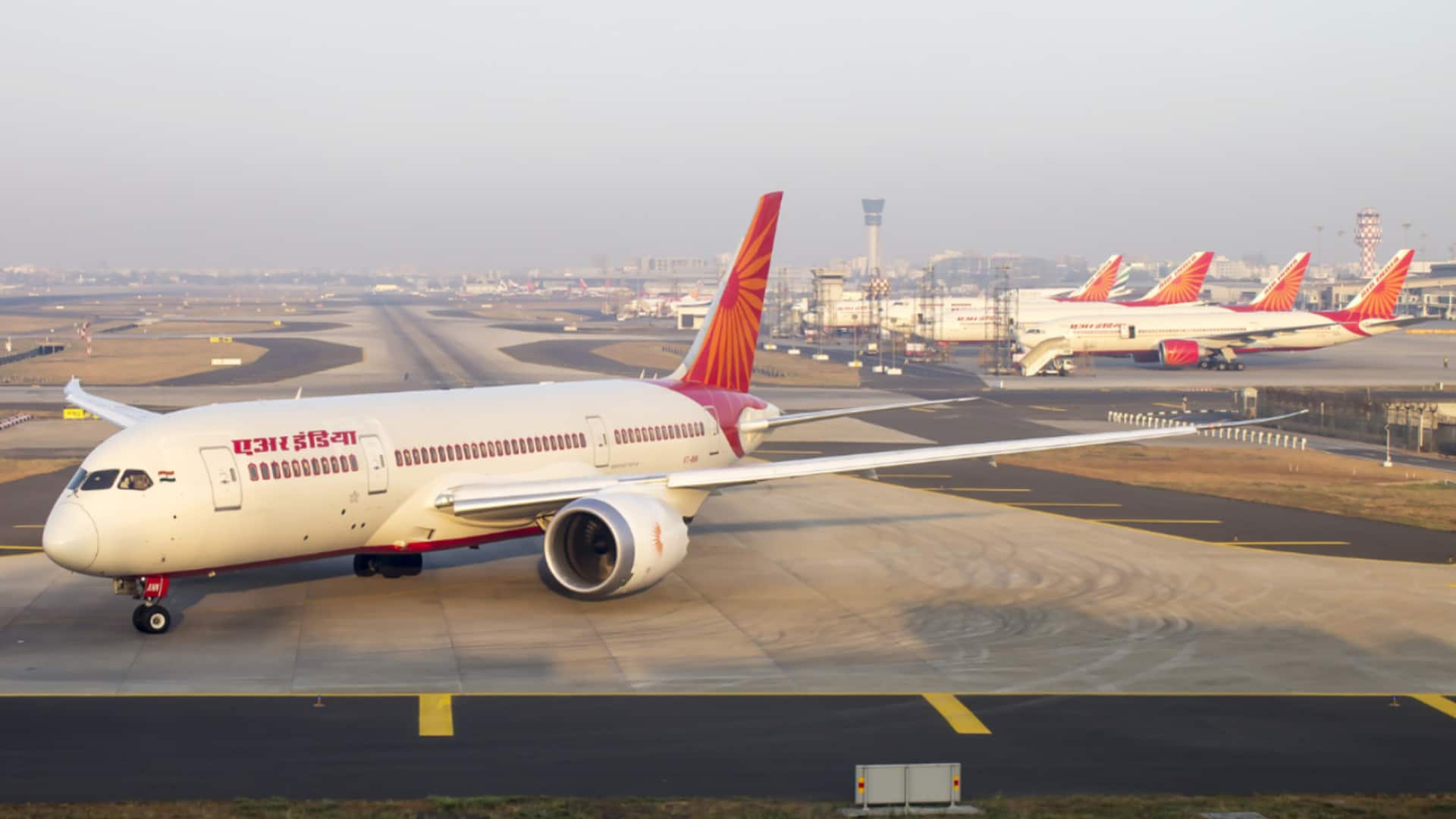
The report highlighted that a large number of these defects were concentrated in the fleets of Air India and Air India Express.
Out of 166 Air India aircraft inspected, 137 were found to have recurring defects. Similarly, 54 out of 101 aircraft operated by Air India Express also showed persistent technical problems.
The committee emphasized that nearly half the total defects observed during the audit were concentrated in these two airlines.
Safety violations
Audit found around 100 safety lapses
The report also mentioned a detailed Directorate General of Civil Aviation (DGCA) audit of Air India from July 1-4, 2025, after the Ahmedabad crash.
This audit uncovered around 100 safety lapses, including seven Level 1 violations that needed immediate corrective action.
The panel also highlighted recurrent training gaps for Boeing 787 and 777 pilots and insufficient cabin crew on at least four international flights.
Duty violations
Fundamental reset of aviation safety architecture needed: Panel
The panel also flagged breaches of Flight Duty Time Limitations.
One such violation involved a Milan-New Delhi flight operating 2 hours and 18 minutes beyond the permissible duty time.
These findings have sparked calls for a "fundamental reset" of India's aviation safety architecture to address these serious concerns and ensure passenger safety and operational reliability.