
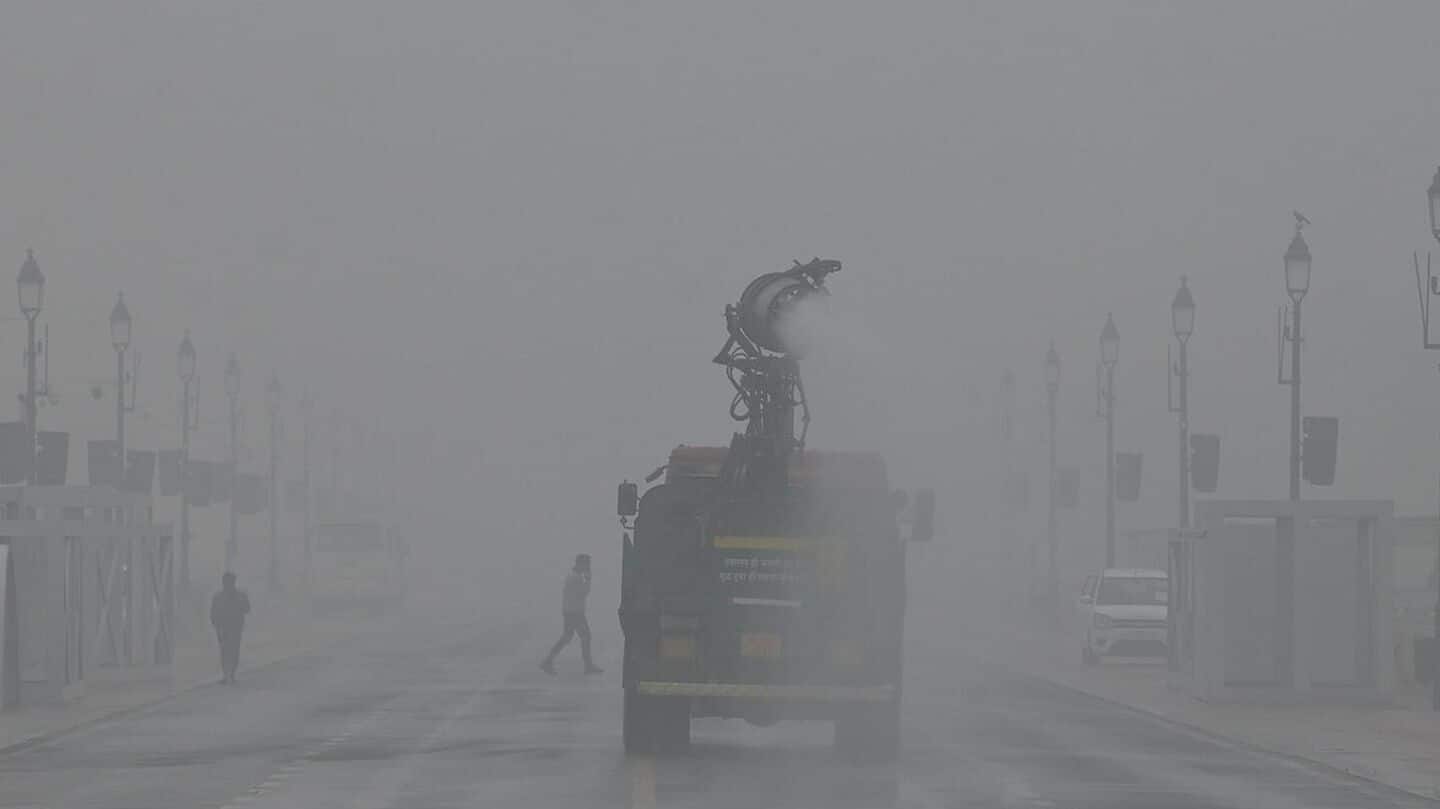
Delhi's winter air carries antibiotic-resistant bacteria: Study
What's the story
A recent study conducted by Jawaharlal Nehru University (JNU) has found alarming levels of antibiotic-resistant "superbugs" in Delhi's winter air. The research, published in the journal Nature, is the first of its kind in the city and highlights dangerously high levels of staphylococcal bacteria. These bacteria were found in both indoor and outdoor air samples across Delhi, with concentrations exceeding 16,000 CFU per cubic meter, over 16 times the World Health Organization's safe limit of 1,000 CFU/m3.
Resistance levels
Study reveals high levels of antibiotic resistance in Delhi's air
The study found that 73% of the isolates were resistant to at least one drug, while 36% showed multi-drug resistance. The research team, led by Madhuri Singh from JNU's School of Environmental Sciences, highlighted the need for systematic monitoring and public reporting of environmental antimicrobial resistance (AMR). This includes not just antibiotic-resistant bacteria but also genetic determinants of resistance.
Research details
Study examines staphylococci diversity in Delhi's air
To reach these conclusions, the researchers studied the prevalence and diversity of staphylococci in airborne particles from various urban locations in southern Delhi. These included Vasant Vihar Urban Slum, Munirka Market Complex, Munirka Apartments, and JNU's sewage treatment plant. The seasonal analysis showed that bacterial concentrations peaked during winter months while outdoor levels decreased during monsoons; however, indoor air remained a constant risk throughout the year.
Health concerns
Study highlights potential health risks of antibiotic-resistant bacteria
The presence of these superbugs in Delhi's winter air is especially concerning for vulnerable populations like children and the elderly. The researchers warn that these tough bacteria could lead to hard-to-treat infections, particularly in crowded areas. They emphasize the importance of better tracking and smarter strategies to prevent further spread of AMR as a public health threat.