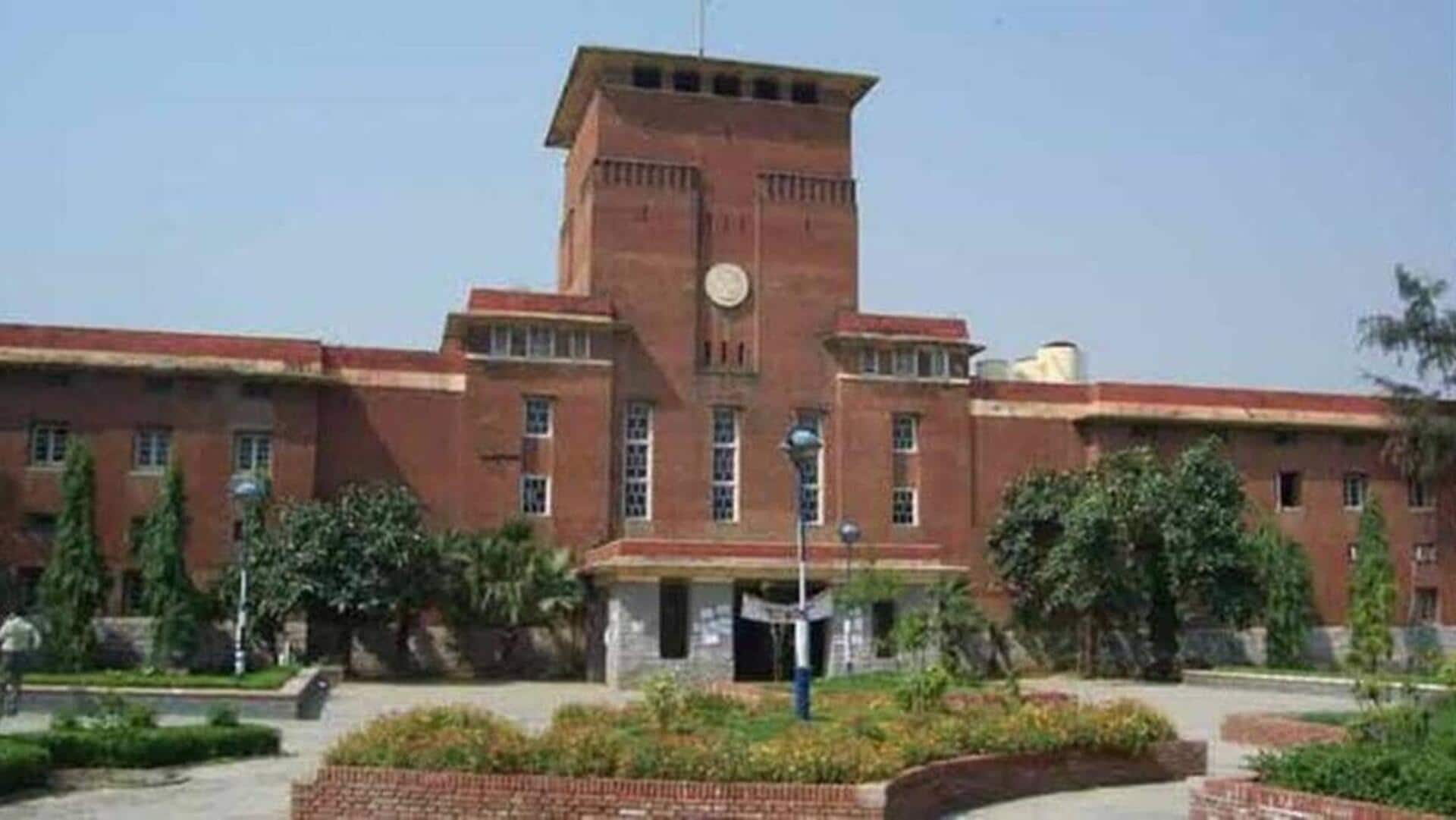
Delhi University bans meetings, processions, protests for 1 month
What's the story
Delhi University has banned all meetings, processions, and any kind of protests for a month. The decision comes after a recent protest over the implementation of new University Grants Commission (UGC) equity guidelines. The Supreme Court had stayed these guidelines due to concerns of "complete vagueness" and possible misuse. The DU Proctor, which issued the order, cited law and order concerns on university campuses as the reason for this ban.
Order details
DU's order prohibits public meetings, rallies, protests
The DU's order prohibits several activities, including public meetings, rallies, protests, and assemblies of five or more persons.
It also bans carrying hazardous materials like torches and any actions that could disrupt public peace or traffic flow.
The notification warned against engaging in any activity that could lead to traffic disruptions, threats to human life, and disturbances of public peace.
Furthermore, shouting of slogans and making speeches are also banned.
Call for peace
Maintain social harmony, DU VC appeals to students, teachers
Delhi University Vice Chancellor Yogesh Singh had earlier appealed to students and teachers to maintain harmony.
He urged them not to engage in activities that could increase discord or harm the university's image.
"Social harmony is the greatest thing, and maintaining it is the duty of all of us," Singh said.
Protest aftermath
Recent protest at DU turned violent
The recent protest at Delhi University turned violent between two student groups.
The left-backed All India Students's Association (AISA) alleged that its members were threatened and abused by the rival Akhil Bharatiya Vidyarthi Parishad (ABVP).
The ABVP, on the other hand, alleged that a female journalist was assaulted by Left-backed activists during the protest.
Court intervention
Supreme Court stayed UGC guidelines last month
On January 29, the Supreme Court stayed the UGC's new equity guidelines due to concerns about "complete vagueness" and potential misuse, following protests over alleged discrimination against General Category students.
"If we don't intervene it will lead to dangerous impact, will divide the society and will have grave impact," the bench said.
The court asked if policy-making was moving toward a regressive approach after decades of efforts to create a caste-less society.