President Murmu rejects mercy plea in 2-year-old's rape-murder case
What's the story
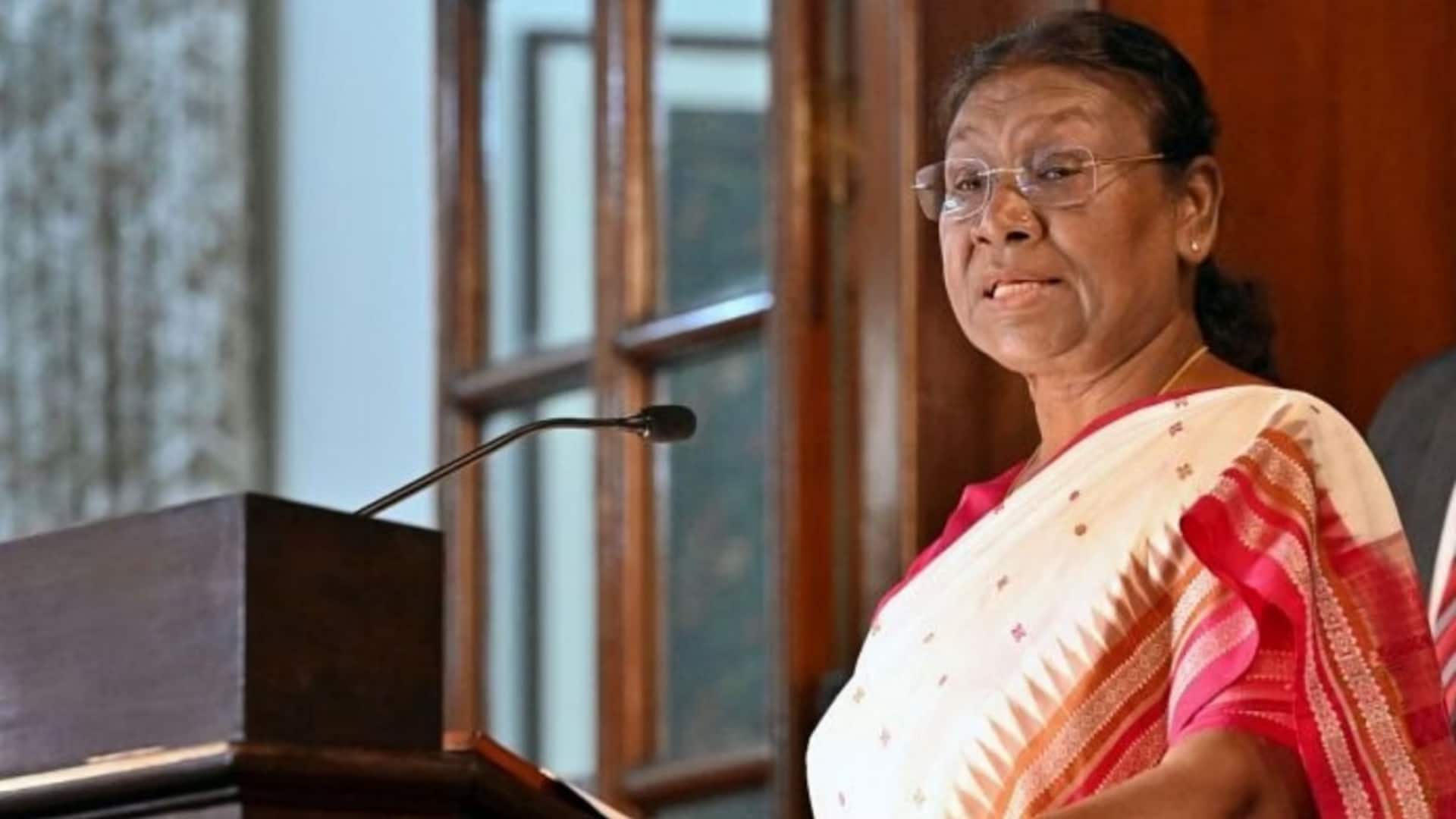
President Droupadi Murmu has rejected the mercy petition of Ravi Ashok Ghumare, a convict in the 2012 kidnapping, rape, and murder of a two-year-old girl in Maharashtra, according to PTI. The Rashtrapati Bhavan stated that the decision was taken on November 6, 2025. This is the third mercy plea that President Murmu has rejected since taking office on July 25, 2022.
Verdict details
Supreme Court upholds death sentence for Ghumare
The Supreme Court had on October 3, 2019, upheld Ghumare's death sentence.
A three-judge bench, which included Justice Surya Kant, observed that Ghumare had "no control over his carnal desires" and crossed all natural, social, and legal boundaries to satisfy his sexual hunger.
The court also noted that he "ruthlessly finished" a life yet to bloom and committed an unnatural offense with a two-year-old girl, and it revealed "a dirty and perverted mind, showcasing a horrifying tale of brutality."
Case background
Incident details and initial conviction
The prosecution had stated that the incident occurred on March 6, 2012, in Indiranagar, Jalna city, Maharashtra. Ghumare lured the victim with a chocolate before committing the crime.
The trial court convicted him on September 16, 2015, awarding him the death penalty. This sentence was later upheld by the Bombay High Court in January 2016.
Legal process
President's rejection of mercy plea follows legal precedent
President Murmu's decision was taken in accordance with Article 72 of the Constitution, which gives the President power to grant pardons, reprieves, respites, remissions, or commuting sentences for offenses, especially death penalties or court-martial cases, offering relief from harsh justice.
This power is usually exercised on the aid and advice of the Council of Ministers, and is subject to limited judicial review for arbitrariness, acting as a check against undue harshness in the legal system.