SC rejects 361 Bengal madrasah staff claims for government salary
What's the story
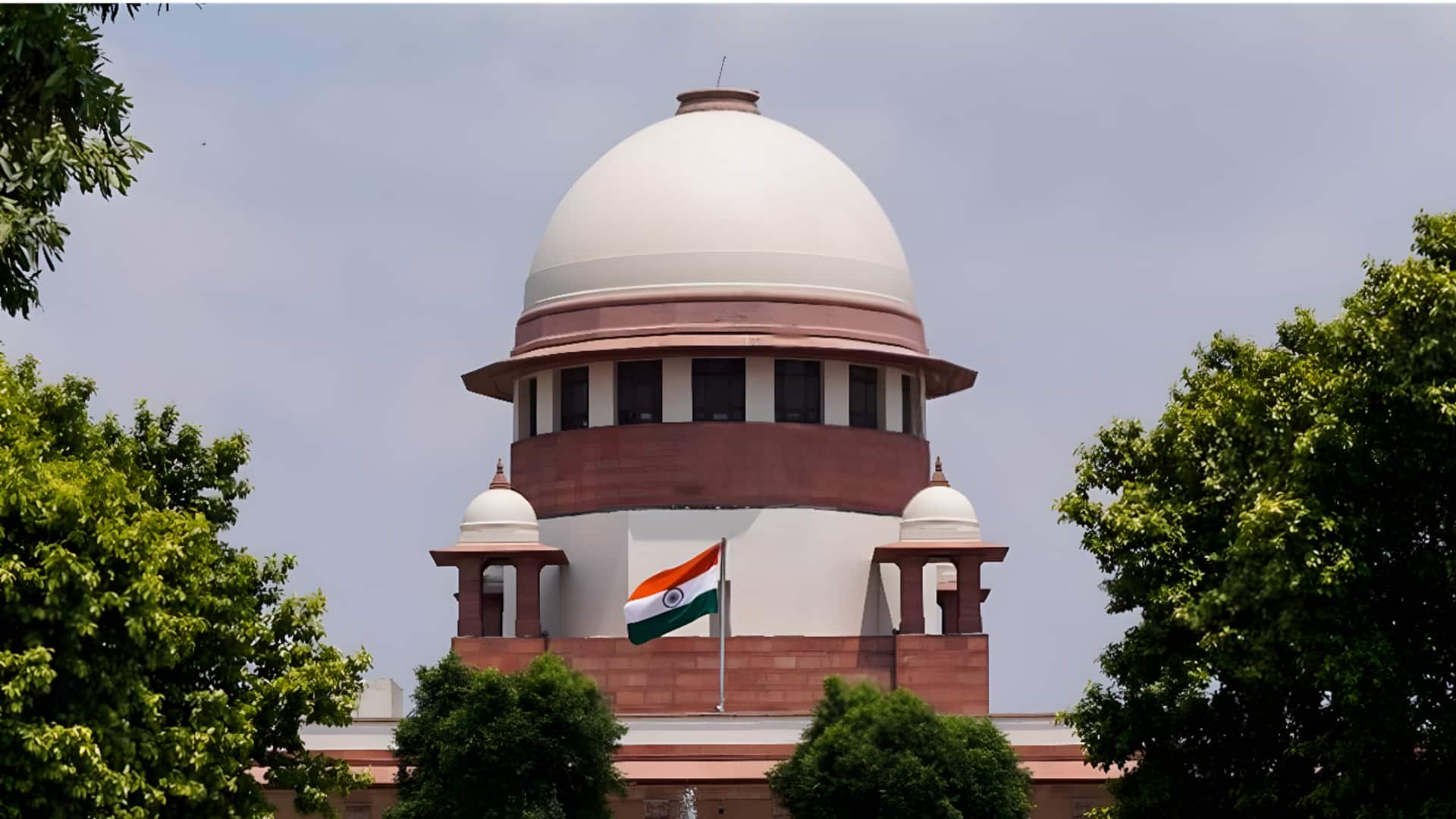
The Supreme Court has dismissed the claims of 361 teachers and non-teaching staff appointed in various West Bengal Madrasahs, Live Law reported. The petitioners sought salaries under the state's Grants-in-Aid Scheme, but their appointments were made after the Calcutta High Court declared the West Bengal Madrasah Service Commission Act, 2008, unconstitutional. The decision was taken by a bench headed by Justice Dipankar Datta and Justice AG Masih, who found no merit in the writ petitions.
Legal history
Background of the case
The Supreme Court had earlier upheld the constitutionality of the 2008 Act in SK. Mohd Rafique v. Managing Committee, Contai Rahamania High Madrasah (2020).
A contempt petition was filed in 2023, leading to a committee review of claims made after the High Court's decision.
The committee rejected these claims, prompting petitioners to challenge its process through an Article 32 petition.
Policy change
West Bengal government ends religion-based schemes
In a related development, the Suvendu Adhikari-led West Bengal government has ended religion-based schemes introduced by the previous Mamata Banerjee-led Trinamool Congress (TMC) government.
The BJP government also scrapped the existing state OBC list as per a Calcutta High Court judgment and will form a panel to decide quota eligibility.
Recently, the state minority affairs and madrasa education department ordered inspections of unaided madrasas across 12 districts by July 21.
Institutional review
Inspections of unaided madrasas across districts ordered
The inspections of unaided madrasas are part of an exercise to review their functioning and ensure compliance with government policies.
These institutions operate without financial assistance from the government and include private recognized institutions or unrecognized Khariji madrasas.
Senior madrasa department officials have been assigned district-wise responsibilities for these inspections, covering districts such as Cooch Behar, North Dinajpur, Malda, and Murshidabad, among others.