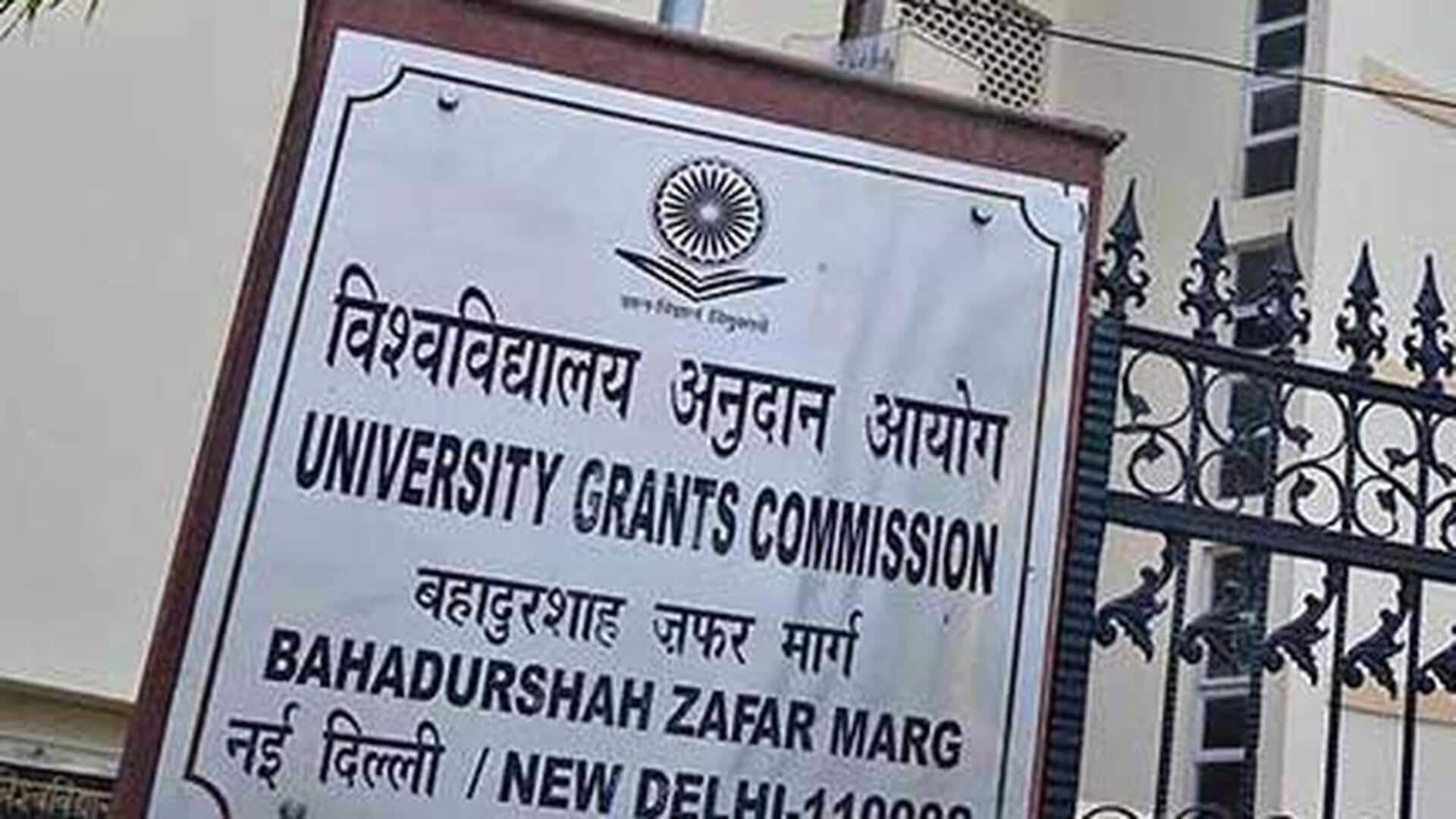
What are UGC's new equity regulations; why are they controversial
What's the story
The University Grants Commission (UGC) notified the Promotion of Equity in Higher Education Institutions Regulations, 2026, on January 13, revising its 2012 anti-discrimination regulations to prevent caste-based discrimination in colleges and universities. The new regulations define "caste-based discrimination" as discrimination "only on the basis of caste or tribe" against Scheduled Castes (SCs), Scheduled Tribes (STs), and Other Backward Classes (OBCs).
Rules
Higher Education Institutions must establish Equal Opportunity Centers
With this, the UGC aims to create a level playing field in higher education institutions.
Under the new legislation, all Higher Education Institutions (HEIs) must establish Equal Opportunity Centers (EOCs) to help disadvantaged groups, provide academic and social counseling, and encourage campus diversity.
Equity Committees must be formed to handle discrimination complaints and these committees must have representation from SCs, STs, OBCs, women, and people with disabilities.
SC
SC order
These regulations followed a Supreme Court order linked to a petition about the implementation of the 2012 UGC anti-discrimination rules. The petition was brought by the mothers of Rohith Vemula and Payal Tadvi.
Rohith Vemula, a PhD scholar at the University of Hyderabad, died by suicide in 2016, allegedly due to caste-based abuse.
In 2019, Payal Tadvi, a resident doctor at Mumbai's Topiwala National Medical College and BYL Nair Hospital, also died by suicide, following severe, caste-based harassment by seniors.
Rising opposition
UGC's regulations spark nationwide protests and legal challenges
However, the new regulations have sparked protests across India, especially among upper-caste communities who feel excluded.
A Supreme Court plea has been filed against the regulations for being "non-inclusionary."
The petitioner, Advocate Vineet Jindal, argued that regulation 3(c) fails to protect students and faculty outside reserved categories.
He urged the court to redefine caste-based discrimination in a "caste-neutral and constitutionally-compliant manner."
Also protesting the new UGC rules, Bareilly City Magistrate Alankar Agnihotri resigned on Monday.
Discrimination data
UGC's regulations aim to curb rising caste-based discrimination
The UGC updated its equity rules in response to a spike in caste-based discrimination complaints on campuses.
Complaints have surged by 118.4% from 2019-20 to 2023-24, with a total of 1,160 complaints received during this period.
The UGC has cited this data to highlight the need for better institutional safeguards for oppressed castes. It claims that its new guidelines would serve to reduce caste-based discrimination and create a safe, dignified, and inclusive academic environment for students, teachers, and non-teaching staff.
Criticism voiced
Critics voice concerns over UGC's equity regulations
Critics of the UGC's new regulations, however, argue that they could lead to false accusations against upper-caste students.
Rajya Sabha MP Priyanka Chaturvedi questioned why provisions aren't inclusive and equal protection is not ensured for everyone.
Uttar Pradesh Bharatiya Janata Party MLC Devendra Pratap Singh also expressed concern, saying the UGC should concern itself with protecting Dalits and backward-class students against discrimination, and not with "making general category students feel unsafe."
Student opposition
UGC's regulations face opposition from student bodies
Student bodies have also opposed the new UGC rules.
Kumaun University's students' union argued that the regulations go against "natural justice" and could create an atmosphere of "fear and distrust."
Concerns have been raised about lack of interim confidentiality for respondents, counseling support during inquiries, and potential reputational harm if allegations aren't upheld.