5 timeless kite traditions from India
What's the story
Kite flying in India is not just a sport; it is a cultural celebration. From the colorful skies of Gujarat to the festive spirit of Rajasthan, every region has its own unique kite flying traditions. These traditions are a reflection of the local culture, history, and community spirit. Here are five timeless kite traditions from India that continue to bring people together in joyous celebration.
#1
Uttarayan: A festival of kites
Uttarayan is one of the most famous kite festivals in India, celebrated in Gujarat. It marks the transition of the sun into Capricorn and is celebrated with great zeal from dawn to dusk.
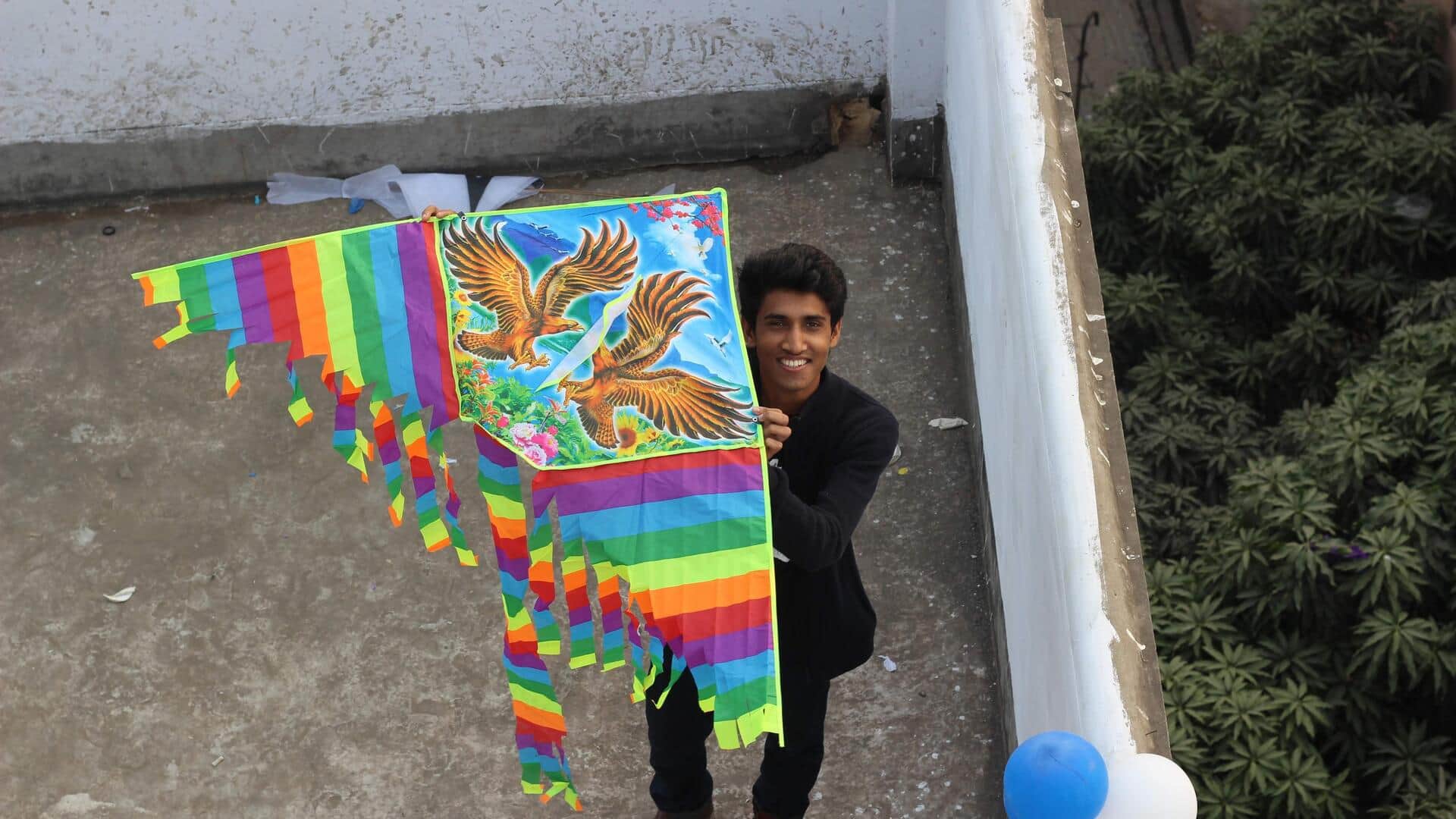
People gather on rooftops to fly kites and participate in friendly competitions.
The festival also involves traditional music and dance, making it a community affair that strengthens bonds among neighbors.
#2
Basant Panchami: Welcoming spring
Basant Panchami is celebrated across North India to mark the onset of spring. It is dedicated to Saraswati, the goddess of knowledge and arts.
On this day, people wear yellow clothes symbolizing mustard fields and fly kites as part of the festivities.
The tradition signifies new beginnings and joy as nature comes alive after winter.
#3
Makar Sankranti: A regional delight
Makar Sankranti is celebrated all over India, but each region has its own unique way of celebrating it, with kite flying being a common theme.
In Maharashtra, it is called Makar Sankrant, while in Rajasthan, it is known as Makar Sakranti.
Each region has its own customs, but the joy of flying kites remains universal.
#4
Independence Day kites: A patriotic display
On Independence Day (August 15), kite flying takes on a patriotic tone as people across India take to the skies with tricolor kites.
This tradition pays homage to freedom fighters while celebrating national pride.
It is particularly popular in urban areas where large crowds gather for communal kite flying events. These events are filled with enthusiasm and respect for the country's history.