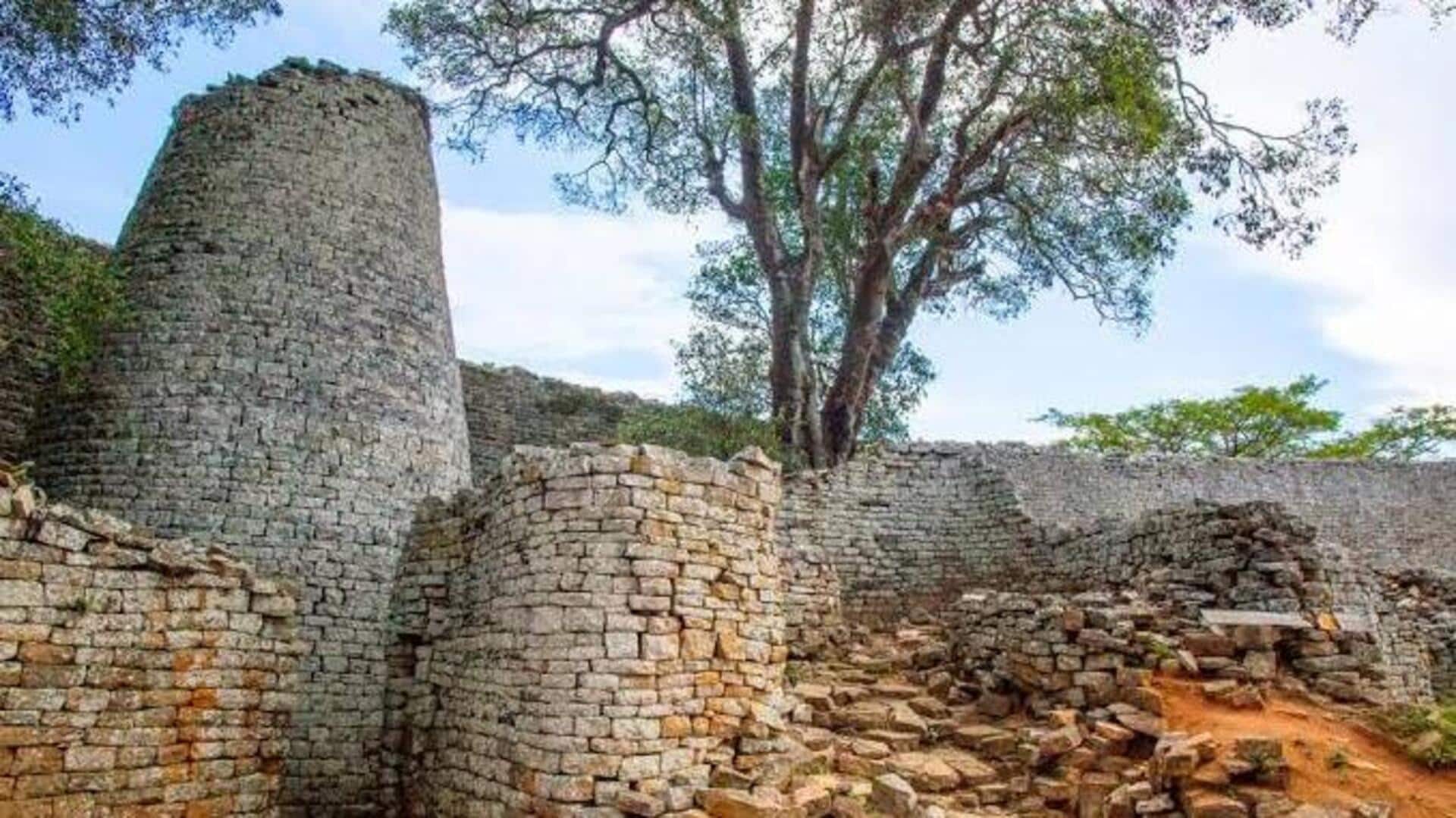
Great Zimbabwe Ruins: A UNESCO gem worth exploring
What's the story
Exploring the Great Zimbabwe Ruins on foot is an unforgettable experience. The ancient city, a UNESCO World Heritage Site, provides a glimpse into the past of one of Africa's greatest civilizations. Walking through its stone structures and pathways, you can learn about the architectural prowess and cultural significance of this historical site. Here are some practical tips to make the most of your hiking adventure at Great Zimbabwe.
Timing
Best time to visit
The best time to visit Great Zimbabwe is during the dry season, which lasts from May to October.
During this time, the weather is cooler and more pleasant for hiking. The trails are less muddy, making it easier to explore the ruins on foot.
If you visit during this period, you can enjoy clearer views and more comfortable conditions as you walk through this ancient city.
Gear
Essential hiking gear
When hiking at Great Zimbabwe, wearing comfortable shoes is a must, as you'll be walking on uneven terrain.
Carrying a hat and sunscreen is also advisable, as you'll be exposed to the sun for long periods of time.
A water bottle is essential to stay hydrated in the dry climate.
If you can, pack light snacks to keep your energy levels up during your exploration of the ruins.
Tours
Guided tours vs. solo exploration
While guided tours give you in-depth knowledge about the history and significance of Great Zimbabwe, exploring the site on your own gives you the freedom to discover at your own pace.
Guided tours usually cost a bit more, but include expert insights that enhance your understanding of this ancient city.
If you choose to go solo, make sure you have enough information beforehand so you do not miss out on key details.
Culture
Cultural significance of Great Zimbabwe
Great Zimbabwe was once a thriving center for trade and culture in Southern Africa.
It served as a royal palace for the kings of the Kingdom of Zimbabwe, who ruled from the 11th century until the 15th century.
The stone structures testify to the advanced architectural skills of its builders, and the site remains an important symbol of national pride for Zimbabweans today.